
RIYADH, May 8, 2026, 11:18 AST
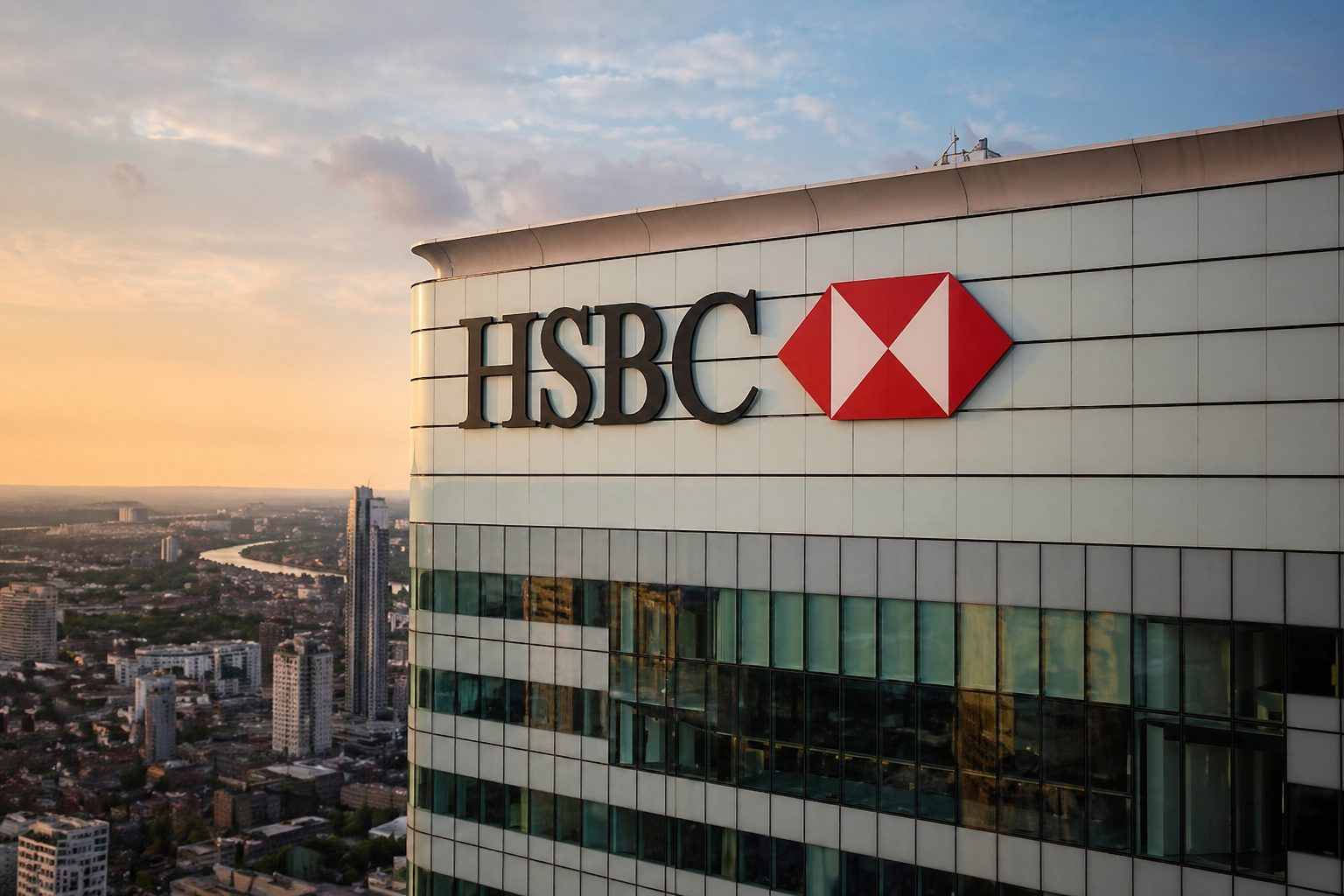
HSBC Holdings Plc is now a primary dealer in Saudi Arabia’s local government debt market, according to the country’s Ministry of Finance and National Debt Management Center. The London-based lender gains an official pathway to route investor orders into Saudi riyal debt instruments.
Both parties stand to benefit from the timing here. Saudi Arabia wants to draw in more investors for its domestic debt market, and HSBC is set to expand its presence in the Gulf’s rapidly developing capital markets. A primary dealer refers to a bank or securities firm permitted to handle investor orders during government debt sales and to support secondary market trading once the debt is issued.
The mandate arrives just as HSBC shareholders convene in London for the bank’s annual general meeting on Friday. HSBC confirmed a 10 a.m. BST start, giving shareholders the option to log in, vote, and submit questions online. According to the investor page, the London-listed shares were trading at 1,307.8 pence, off 14.4p, as of 0807 GMT, with prices delayed by at least 15 minutes.
HSBC is set to join the roster of international names already participating in the Saudi ministry’s programme — BNP Paribas, Citigroup, and Standard Chartered Bank are in, along with some local players. The move falls under Saudi Arabia’s Financial Sector Development Program, itself a piece of the kingdom’s Vision 2030 strategy. This comes on the heels of Saudi debt making its way into JPMorgan and Bloomberg’s emerging-market local debt indices.
HSBC announced the appointment after Group Chief Executive Georges Elhedery visited the kingdom. Faris AlGhannam, who serves as both chief executive and board member of HSBC Saudi Arabia, described the Saudi local debt market as “a consistent and prominent feature” in emerging-market strategy. Nabeel Albloushi, head of markets and securities services for the Middle East, North Africa and Turkiye at HSBC, cited “increasing demand for Saudi debt exposure.” Zawya
HSBC notes that Saudi Arabia relies mostly on sovereign sukuk and bonds in its local currency market for borrowing. Sukuk—Islamic-compliant bonds—form a key part of this mix. By the end of 2025, the kingdom’s sovereign debt portfolio totaled 1.519 trillion riyals. Of that, 62% was domestic debt. Foreign investors had lifted their share of riyal-denominated sukuk to 12.8% as of September 2025, jumping from just 4.5% in December 2024.
HSBC’s involvement in Saudi Arabia now serves as a rare positive for management to highlight, following a tough first quarter. Pretax profit slipped to $9.4 billion, off by $0.1 billion from the same period last year, though revenue climbed 6% to $18.6 billion. Credit loss provisions jumped to $1.3 billion, factoring in a $0.4 billion hit tied to fraud-related secondary securitisation and $0.3 billion set aside over the Middle East conflict.
Reuters said this week that HSBC shares slid roughly 6% Tuesday after news broke of a $400 million loss stemming from the collapse of British mortgage lender Market Financial Solutions. While Chief Financial Officer Pam Kaur wouldn’t disclose which firms were involved, she did confirm, per Reuters, that the hit was related to “private credit-related loans.” Reuters
Not everyone was downbeat. According to AASTOCKS, JPMorgan bumped up its 2026-2028 earnings-per-share estimates for HSBC by 1%, pointing to stronger net interest and fee income, though higher expenses partly dampened the gains. The bank, which earns net interest income from lending and securities after funding costs, maintained its Overweight call and nudged its Hong Kong price target to HK$182 from HK$180.
Bank of America Securities flagged upcoming investor seminars for HSBC and Standard Chartered in Hong Kong, set for May 19 to May 21, as potential positives. Management teams are expected to focus on Asian wealth management and capital-markets trends during the events. According to AASTOCKS, BofA is sticking with HSBC as its top pick over Standard Chartered, pointing to HSBC’s Asian deposit base and stronger execution.
Still, the Saudi mandate leaves big issues unresolved. HSBC needs to convince investors the private-credit losses are under control, that provisions tied to the Middle East aren’t going to pile up, and that rising costs won’t cancel out the upside from stronger wealth and interest income. The bank has bumped up its 2026 credit-charge outlook to 45 basis points of average gross loans, according to Reuters—a basis point equals one-hundredth of a percentage point.
Right now, HSBC’s move in Saudi Arabia lines up with the bank’s big playbook: trim back in low-return spots, protect the core Hong Kong and Asian wealth channels, and chase fresh growth in countries where cross-border deals still yield. Elhedery, speaking alongside the Q1 numbers, pointed out that revenue rose across all four divisions and said the bank’s February goals are still firmly in sight.