
Berlin, May 8, 2026, 15:07 CEST
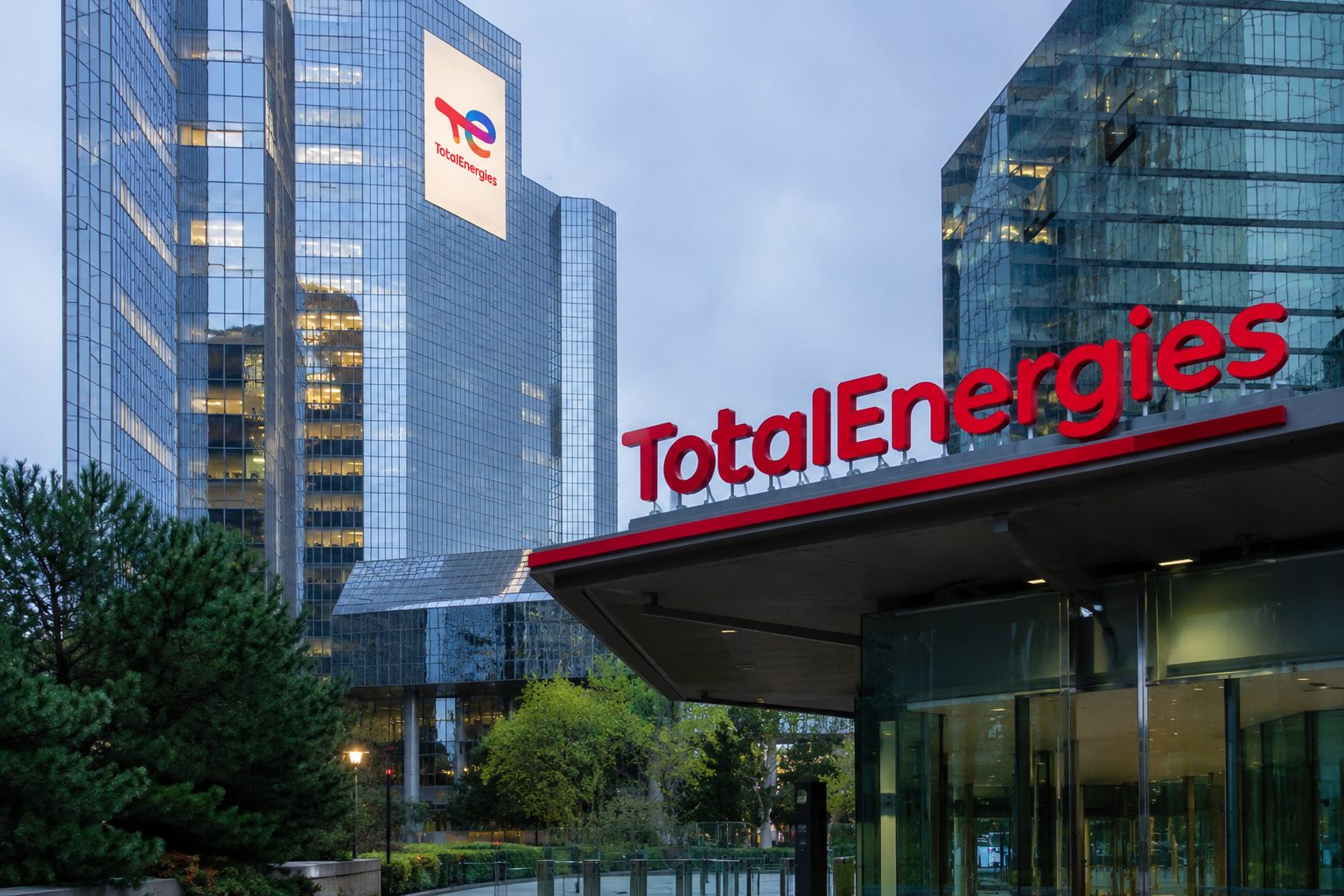
TotalEnergies has launched an 18-bay ultra-fast EV charging hub close to Berlin Central Station, installing 400-kilowatt chargers in one of the city’s main transit corridors as Germany’s push for urban charging picks up speed. The site sits on Invalidenstrasse, wedged between Hamburger Bahnhof and the Berlin Social Court, with all units drawing electricity from renewable sources certified by guarantees of origin.
The numbers landed at a key moment. Germany’s VDA auto group reported a 41% jump in battery-electric car registrations for April, reaching 64,350. Broader electric vehicle figures—including plug-in hybrids and fuel-cell models—climbed 32% to 91,898, lifting the share for electrified cars to 37% of all new registrations.
Supply is up as well, though the dynamics are shifting. The Federal Network Agency in Germany counted 149,002 standard charging stations and 51,253 fast-chargers running as of April 1, providing 8.50 gigawatts of concurrent charging power.
TotalEnergies is targeting office workers in Europacity, cab fleets, commuters, private car owners, and museum-goers with the Berlin location. “We’re putting high-performance fast charging where it is needed most,” said Jan Petersen, managing director for TotalEnergies Charging Solutions Germany. MobilityPlaza
Price is front and center, too: on its German website, the company is advertising a launch rate of 0.59 euros per kilowatt-hour at Invalidenstrasse 50, available through May 31. The site features 18 covered parking spots, two accessible spaces, plus a tyre-pressure station and vacuum cleaner.
Competition is making itself felt. EnBW has rolled out 18 high-speed chargers—up to 400 kW—next to the A6 in Landstuhl and the A7 in Ellwangen Jagst. Both locations, powered entirely by renewables, are designed for quick pit stops on long trips, according to Martin Römheld, who heads e-mobility at EnBW. “Short charging stops on long-distance journeys,” is how Römheld described the new service parks. CleanTechnica
EnBW currently runs over 8,000 fast-charging stations across Germany, claiming drivers can find one about every 50 km on average. The company is targeting approximately 20,000 public fast-charging points by 2030. That footprint sets a hefty benchmark for TotalEnergies, which is zeroing in on busy city centers and airport locations.
The public initiative is stepping up competition. Under Germany’s Deutschlandnetz plan, roughly 9,000 high-power charging (HPC) points are set to roll out by the end of 2026, spanning more than 1,000 locations. TotalEnergies, E.ON Drive, and Fastned are among those tapped for key motorway and regional spots. HPC stands for rapid charging with higher electric output—Deutschlandnetz mandates each point can technically deliver at least 300 kW at peak.
The freight sector gets its turn. Germany’s transport ministry will allocate 1 billion euros over the next four years to ramp up charging infrastructure for battery-electric heavy-duty trucks, according to NOW GmbH. The funding targets depot and public truck charging, grid hookups, battery storage, and load management. “Electric freight can only be successful with a high-capacity infrastructure,” Transport Minister Patrick Schnieder said. For smaller operators, “practical solutions” are essential, said NOW chief Dagmar Fehler. NOW GmbH
Still, simply installing more plugs isn’t going to resolve the financial challenge. According to ACT News, referencing comments from ABB E-mobility’s Michael Halbherr, the industry faces headaches like unique charging site setups creating extra integration issues, service complexity, and sometimes leaving behind stranded investments. What’s next for the sector? It’s going to hinge on the lifetime cost per kilowatt-hour delivered. Poor utilisation rates or slow grid hookups could see today’s top charging hubs turn into costly liabilities, not lasting advantages.
TotalEnergies last year rolled out a flagship hub at Berlin Brandenburg Airport, fitting it with 12 charging spots for cars and three for trucks—each capable of delivering up to 400 kW. Now, the company is pushing that high-power model into the urban center with its Central Station site, as the focus in Germany’s charging sector shifts from simply locating a plug to questions of speed, location, and pricing.