
London, May 8, 2026, 18:05 BST
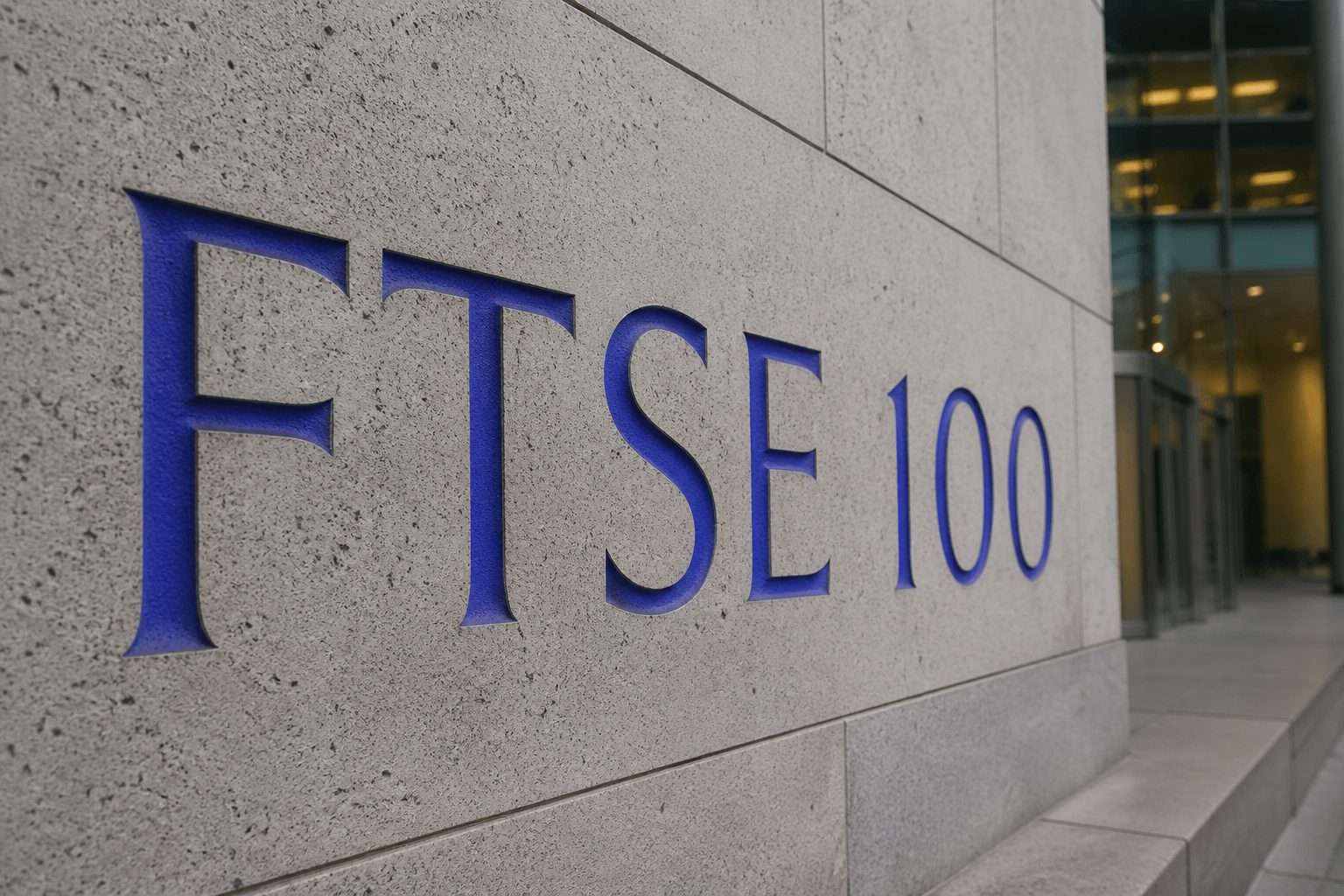
- The FTSE 100 slipped 0.4% to finish at 10,233.07, its third consecutive week in the red.
- BT climbed on the back of positive broker notes, but IAG and Intertek weighed down the blue-chip index.
- Risk appetite stayed weak, with oil trading north of $100, tensions in the Gulf, and Labour suffering steep election losses.
London’s FTSE 100 slid 0.4% to finish at 10,233.07 on Friday, notching a third straight weekly drop as renewed Gulf tensions rattled sentiment. Adding to the pressure, initial UK local election returns brought fresh political uncertainty. The FTSE 250 also struggled, down 0.2%.
This shift jolted markets, which had barely begun to factor in potential calm from possible U.S.-Iran ceasefire talks. Oil surged past $100 a barrel again, sterling held onto gains, and Labour’s bruising local-election losses left Prime Minister Keir Starmer grappling with a more tangled political scene in the UK.
It wasn’t just London in the red. The pan-European STOXX 600 slipped 0.7%, while Germany’s DAX gave up 1.3%. Paris’s CAC 40 backed off 1.1% as traders slashed exposure following another spike in Middle East tensions. “Not nice, clean, and linear”—that’s how Richard Flax, chief investment officer at Moneyfarm, summed up investor expectations for any peace process. Reuters
Russ Mould, investment director at AJ Bell, pointed out that renewed clashes in the Strait of Hormuz were enough to “help extinguish some of the hope” for an imminent deal. Brent crude futures for July moved up to $101.49 a barrel—jumping from $97.76 at Thursday’s London close—as energy prices and inflation jitters saw another jolt. Morningstar
IAG shares slid 2.8% after the British Airways parent flagged a downgrade to its profit, free cash flow, and capacity forecasts for the year, blaming pricier jet fuel and supply snags tied to the Iran war. CEO Luis Gallego said the group was “actively managing the uncertainty.” IAG expects its 2026 fuel bill to reach around 9 billion euros. Rivals Air France-KLM and easyJet have also cited fuel cost pressures. Reuters
Shares in Intertek slumped 2.7% following the company’s decision to reject a third takeover bid from Sweden’s EQT, which valued the business at 8.93 billion pounds. Intertek said the latest approach undervalued the product-testing firm and also pointed to execution risk. EQT, for its part, voiced disappointment over what it called Intertek’s “lack of engagement,” and maintained its offer would have delivered quick cash to shareholders. Reuters
BT jumped 6.6%, standing out after JPMorgan reiterated its overweight call and boosted the price target. Goldman Sachs also increased its mid-term dividend projections. Whitbread, JD Sports, Vodafone, and Entain landed among the FTSE 100’s better performers. On the other side, Lion Finance, Babcock, Rolls-Royce, and BAE Systems weighed on the index.
Politics hovered in the backdrop but soon pushed forward. Starmer insisted he was “not going to walk away” despite Labour’s losses across England, Scotland and Wales. Reform UK picked up more than 700 council seats in England by Friday afternoon. Investors are left watching to see if these political tremors spill into concerns over borrowing or a tougher fiscal stance. Reuters
Fresh UK housing numbers flashed another homegrown red flag. Halifax reported a 0.1% slip in house prices for April, following March’s 0.5% decline. Annual growth? Down to just 0.4%—lowest showing since December. “Higher energy prices have fed into inflation expectations,” said Amanda Bryden, Halifax’s head of mortgages, adding that many buyers are now facing steeper borrowing costs. Reuters
Some of the worst market losses were cushioned by U.S. jobs numbers, but investors looking for rate cuts didn’t get what they wanted. Nonfarm payrolls climbed by 115,000 in April—beating forecasts—while the jobless rate stuck at 4.3%. “No evidence of a labor-market collapse,” said Sung Won Sohn, who teaches finance and economics at Loyola Marymount University. Still, he noted, there’s just enough slowdown for the Fed to stay patient. Reuters
The next drop might not come from earnings themselves. Instead, trouble in Gulf diplomacy threatens to prolong elevated fuel and energy prices, which could stoke inflation fears and put pressure on travel, retail, and housing all at once. A sharper political stumble in the UK would make things messier—especially if gilt yields jump and a stronger pound drags on London-listed multinationals.
The FTSE 100 slipped 1.4% over the week. The FTSE 250, on the other hand, climbed 1.7%, and the AIM All-Share tacked on 2.0%. Looking ahead to Monday, Compass is set to report half-year numbers, while market eyes turn to China’s inflation figures and U.S. home sales for fresh growth signals.