
Sydney—It’s May 11, 2026, clock just past 4:08 AEST.
Woolworths Group Ltd has brought its soft-plastics recycling bins back to more than 700 supermarkets, spanning five states around Australia, marking a return to in-store sustainability efforts since REDcycle’s 2022 collapse. So far, the new program has taken in about 40 million pieces of soft plastic—roughly 310,000 kilograms—through the collection and processing scheme.
Timing is key here. Woolworths is working to patch up its value pitch as shoppers still feel the pinch from cost-of-living pressures, with investors laser-focused on margins. Just last month, the retailer cut the upper end of its 2026 earnings growth forecast for Australian Food, pointing to elevated fuel expenses and the extra spend needed to hold onto customers—even though its quarterly sales topped analyst expectations.
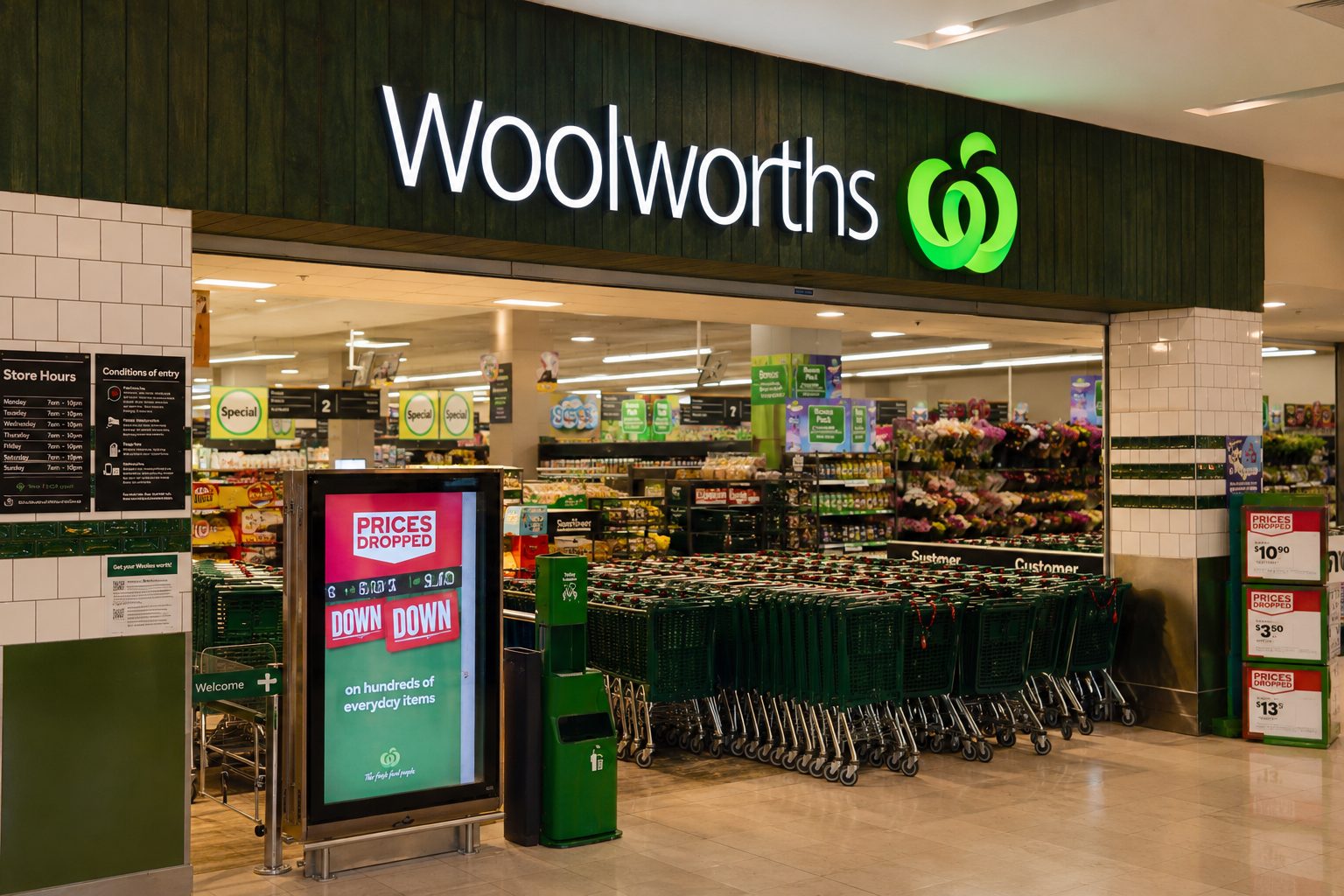
Trust, too, is in the mix. The Australian Competition and Consumer Commission has accused Woolworths of making false or misleading “Prices Dropped” claims on 266 items spanning September 2021 to May 2023. Woolworths has pushed back, disputing the charges. The case still hangs over the grocer’s reputation. ACCC
Woolworths launched the recycling scheme in February 2024, starting with a pilot across five Victorian stores. The company says the program has now reached some South Australian locations as of last week. Material collected through the initiative ends up as store fixtures like wall panelling, or in Woolworths’ private-label bread bags—which now include 30% recycled plastic.
Rob McCartney, managing director at Woolworths 360, said customers have “continued to advocate for soft plastic recycling.” The retailer is “pleased to give shoppers the option again.” Woolworths is teaming up with Australian recyclers saveBOARD, iQRenew and Plascrete. Inside FMCG
Woolworths isn’t going at it solo. Coles and Aldi are in the mix too, each rolling out their own soft-plastics recycling bins, according to 9News. The sector is scrambling to rebuild a collection network that’s been missing since REDcycle’s collapse nearly four years ago left warehouses packed with waste. Remaking this material, says Australian Council of Recycling chief executive Suzanne Toumbourou, demands “a lot of grit” as well as technical expertise. 9News
The program is now linked directly to the company’s broader sustainability push. Woolworths has laid out five key areas—climate and nature, waste and circularity, human rights, social impact, plus health and nutrition—with 14 specific goals and deadlines attached. Simon Lowden, who heads group public affairs, communication and sustainability, described the plan as a balance of “ambition and pragmatism.” Woolworths Group
It’s a hefty number: Woolworths puts Australia’s soft plastic use at around 70 billion pieces annually—roughly 538,000 tonnes—with 84% of that material landing in landfill. Soft plastics, like bags, wrappers, and pouches, mostly slip past regular household recycling; the system just isn’t built for them.
Woolworths’ new recycling push probably won’t budge short-term profits. The stock ended at A$33.60 on May 8, off 1.64% before Monday’s session. According to the ASX, regular cash-market trading gets underway around 09:59:45 in Sydney and wraps up at 16:00.
Still, there’s an obvious hitch. The plan is only as strong as the available processing power, shopper engagement, appetite for recycled goods, and the willingness of both rival chains and brands to play along. On another front, the pricing probe threatens to shift the spotlight back onto supermarkets’ trust issues, not recycling. Nicole Gillespie, a trust researcher at the University of Melbourne, told the Guardian the ACCC action had already thrown a “shadow of suspicion” over supermarket specials. The Guardian
Woolworths Group’s win is tangible, if not exactly headline-grabbing: customers get a service restored across hundreds of locations. The bigger question—do shoppers view this as a genuine shift, or just another pledge among the shelves while price, trust, and margins remain the loudest voices—looms large.