
New Delhi, May 11, 2026, 21:36 IST
Vivo is bringing its X300 Ultra and X300 FE to Indian stores on May 14, just days after their local debut. The X300 Ultra carries a price tag of INR 1,59,999, while the X300 FE comes in at INR 79,999, according to the company. Both models put the focus on cameras in the premium Android segment.
Timing’s a factor here. India’s smartphone shipments slipped 5% year on year to 30.9 million units in the first quarter, according to Omdia, with soft demand and wary stocking from dealers running into higher component prices. Vivo remained the front-runner at 20% market share, a position that lets it push upscale, while smaller brands find themselves squeezed.
The launch comes as prices bite harder. According to Counterpoint Research, India’s smartphone shipments slid 3% in the first quarter—marking the slowest three-month stretch in six years. Over 80 models posted an average price jump of 15%. Senior analyst Prachir Singh described the situation as an “affordability squeeze.” Reuters
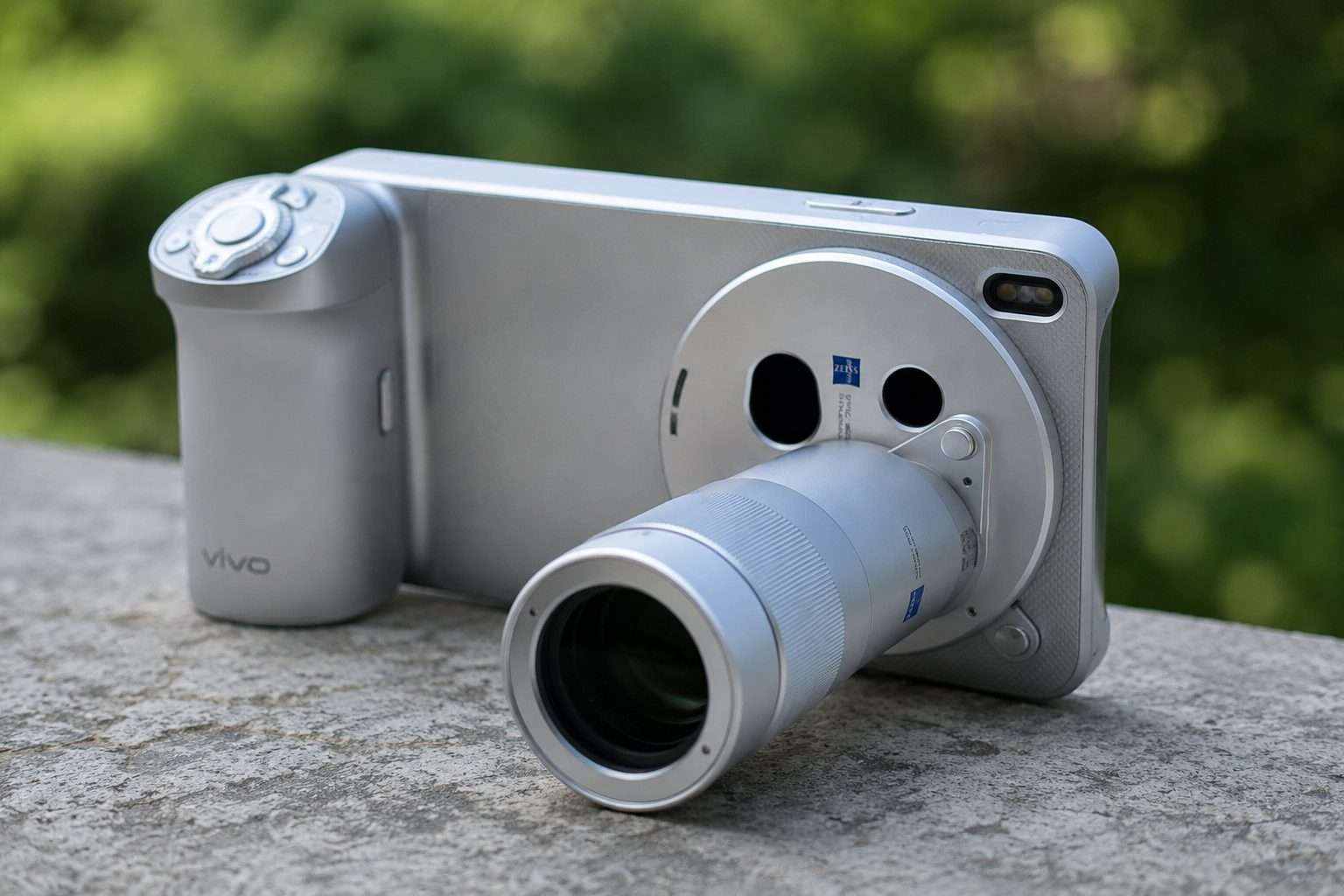
Vivo’s X300 Ultra marks its flagship push, offered in a single 16GB RAM and 512GB storage setup. Buyers can pick between Eclipse Black or Victory Green. There’s also a Photography Kit bundle, which Vivo lists at INR 2,09,999. Both the phone and bundle are set to hit Flipkart, Amazon, the company’s India e-store, and partner shops.
Imaging is front and center for Vivo. The Ultra brings a ZEISS-collaborated camera array offering 14mm, 35mm, and 85mm focal lengths. There’s a 50MP Sony LYTIA 818 sensor for ultra-wide shots, a 200MP Sony LYTIA 901 sensor leading as the main camera, and a 200MP telephoto. Optical image stabilisation is baked in, keeping shots steady.
Vikas Tagra, who leads product management for Vivo India’s X Series, called the X300 Ultra “a significant step forward” in smartphone camera tech. The company added that the device is produced at its Greater Noida plant—a point it’s expected to highlight, as local manufacturing continues to matter in India. vivo India
Vivo’s X300 FE steps in as a cheaper alternative, coming equipped with a 6.31-inch screen, measuring 7.99mm thick, and tipping the scale at 191 grams. The phone is powered by Qualcomm’s Snapdragon 8 Gen 5 and packs a 6,500mAh battery that supports 90W wired plus 40W wireless charging. On the back, you’ll find a trio of cameras: 50MP main, 50MP telephoto, and an 8MP ultra-wide.
Tagra pitched the FE model as delivering “premium performance” in a package built for everyday use. The X300 FE comes in two configurations—12GB/256GB at INR 79,999 and 12GB/512GB for INR 89,999. That 200mm ZEISS telephoto extender? It’s a separate add-on. vivo India
Xiaomi’s 17 faces off with the X300 FE, and the differences are clear. Sportskeeda, on Monday, highlighted the X300 FE’s bigger 6,500mAh battery and lower base price. Xiaomi’s 17, though, brings a Snapdragon 8 Elite Gen 5 chip and a trio of 50MP Leica-tuned cameras on the back.
Xiaomi rolled out the 17 in India back in March, tagging the 12GB/256GB variant at INR 89,999, while the bigger 12GB/512GB option went for INR 99,999. Specs-wise, it’s got a 6.3-inch OLED screen, a 6,330mAh battery, and charging clocks in at 100W wired, 50W wireless—these details come via Gadgets 360.
May is shaping up to be packed with more than just Vivo and Xiaomi launches. Gizbot highlights a crowded slate that includes fresh Vivo devices, the OnePlus Nord CE 6 lineup, Motorola’s Razr Fold, plus Oppo’s Find X9 Ultra and Find X9s—all competing for attention in India’s smartphone market. With so many options, consumers have plenty to consider, but brands face a steeper challenge to get noticed.
The risk is right there: at almost INR 1.6 lakh for the Ultra and up to INR 2 lakh with certain bundles, Vivo’s pushing to see just how many Indian consumers will shell out for premium camera hardware as upgrade cycles get longer and price hikes start to sting, according to analysts. The FE offers a lower entry price, but Xiaomi’s performance angle could still win over gamers and power users.