
New Delhi, May 11, 2026, 23:32 IST
India has turned down Russia’s attempt to supply liquefied natural gas from projects hit by U.S. sanctions, two people directly involved told Reuters. With the cargo bound for India now lacking a destination, negotiations are still ongoing for shipments New Delhi could accept without violating sanctions. LNG—short for liquefied natural gas—is simply natural gas cooled to liquid for shipping by sea.
This decision carries real weight as India looks to maintain fuel supplies. Middle East turmoil has driven energy prices higher and put pressure on the rupee. The country, which ranks third globally in oil imports and consumption, sources over 90% of its crude from other nations and imports about half its natural gas.
The case highlights an even clearer distinction between Russian oil and gas. Indian imports of Russian crude have stayed strong, Reuters reported last month, with March volumes at 2.25 million barrels per day—roughly half of India’s total oil imports. Thanks to a U.S. sanctions waiver, shipments for April and May were expected to keep hovering close to those record levels.
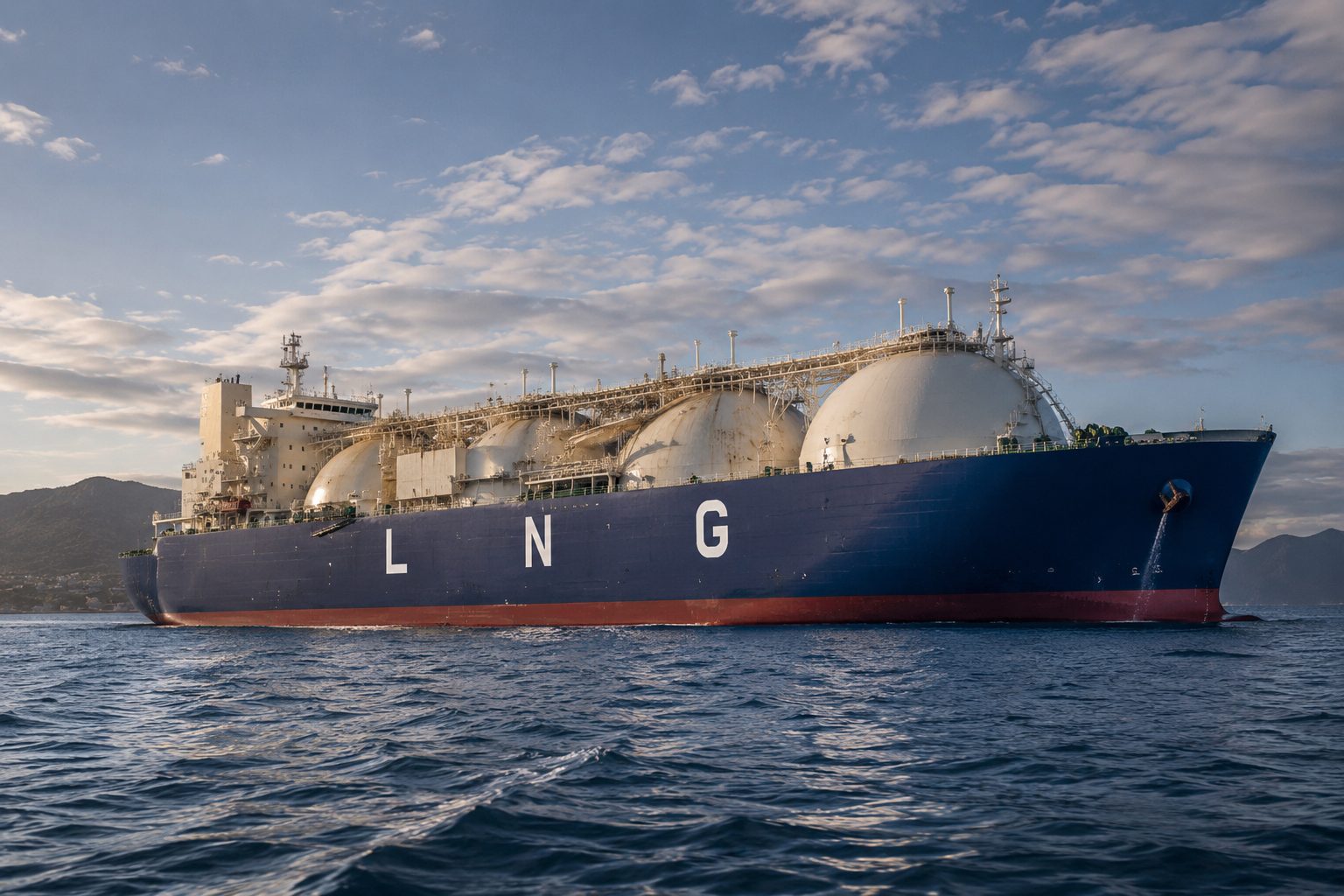
The 138,200-cubic-metre LNG tanker Kunpeng set out from Russia’s Portovaya plant bound for India’s Dahej terminal, Reuters shipping data show. That changed: its listed destination was removed, and the tanker now sits off Singapore, with no delivery confirmed. United24 Media, citing Reuters, reported that India turned down the cargo after Russian Deputy Energy Minister Pavel Sorokin visited New Delhi on April 30.
Reuters reached out to India’s oil and gas ministry and Russia’s embassy in Delhi, but got no immediate reply. Indian firms aren’t cutting off Russian LNG completely; the latest refusal, though, signals caution when it comes to shipments linked to sanctioned projects and vessels.
In January 2025, Washington ramped up sanctions on Russia’s energy sector, aiming squarely at Kremlin oil revenues and boosting the potential risks tied to trading Russian oil. According to the U.S. Treasury, the State Department simultaneously blocked two Russian LNG projects that are currently operating. OFAC, for its part, handed down an energy-sector determination based on Executive Order 14024.
Portovaya, the Baltic LNG facility, puts out about 1.5 million tonnes annually. Back in April, Martin Senior—Argus’s LNG pricing chief—said in a Reuters interview that if the India shipment landed, it could unlock a second outlet for Russian LNG facing U.S. sanctions, after earlier sanctioned cargoes were shipped to China’s Beihai terminal.
Cracking into that market just got tougher. India is still taking authorised Russian LNG, but, according to one source Reuters spoke with, most of those cargoes are already locked up by European contracts. China continues to snap up both sanctioned and unsanctioned Russian LNG. Meanwhile, Moscow is still pushing for multi-year supply agreements with India—covering not just LNG but also fertilisers like potash, phosphorus, and urea.
India could find it tougher to maintain its position if the supply crunch deepens. Prime Minister Narendra Modi has called on citizens to save fuel, avoid unnecessary foreign trips, work remotely, and curb imports of gold and edible oil. Oil prices have already squeezed the rupee and strained the balance of payments.
Russia’s failed cargo underscores just how far it can actually go in redirecting LNG away from markets under restrictions. Moscow has floated sending more LNG to Asia-Pacific countries, looking at buyers in India, China, Thailand, and the Philippines—a list that’s come up in Russian talks as Europe pushes ahead with plans to slash purchases of Russian gas and LNG.
Negotiations haven’t wrapped up yet. A source told Reuters that Sorokin might head back to India in June to continue talks, and New Delhi could still purchase unsanctioned Russian cargoes. For now, though, the stalled Kunpeng stands as evidence: LNG’s paperwork stretches further than crude, and India doesn’t seem ready to push those boundaries.