
Frankfurt, May 11, 2026, 20:03 CEST
- UniCredit chief Andrea Orcel is set for talks with top European Commission officials, as Brussels steps up efforts to challenge national obstacles to cross-border bank tie-ups.
- ECB Vice President Luis de Guindos warned that blocking particular cross-border transactions risks weakening Europe’s savings and investment union.
- Commerzbank bumped up its profit goals, committed €600 million to AI investments, and now expects to cut roughly 3,000 more jobs by 2030.
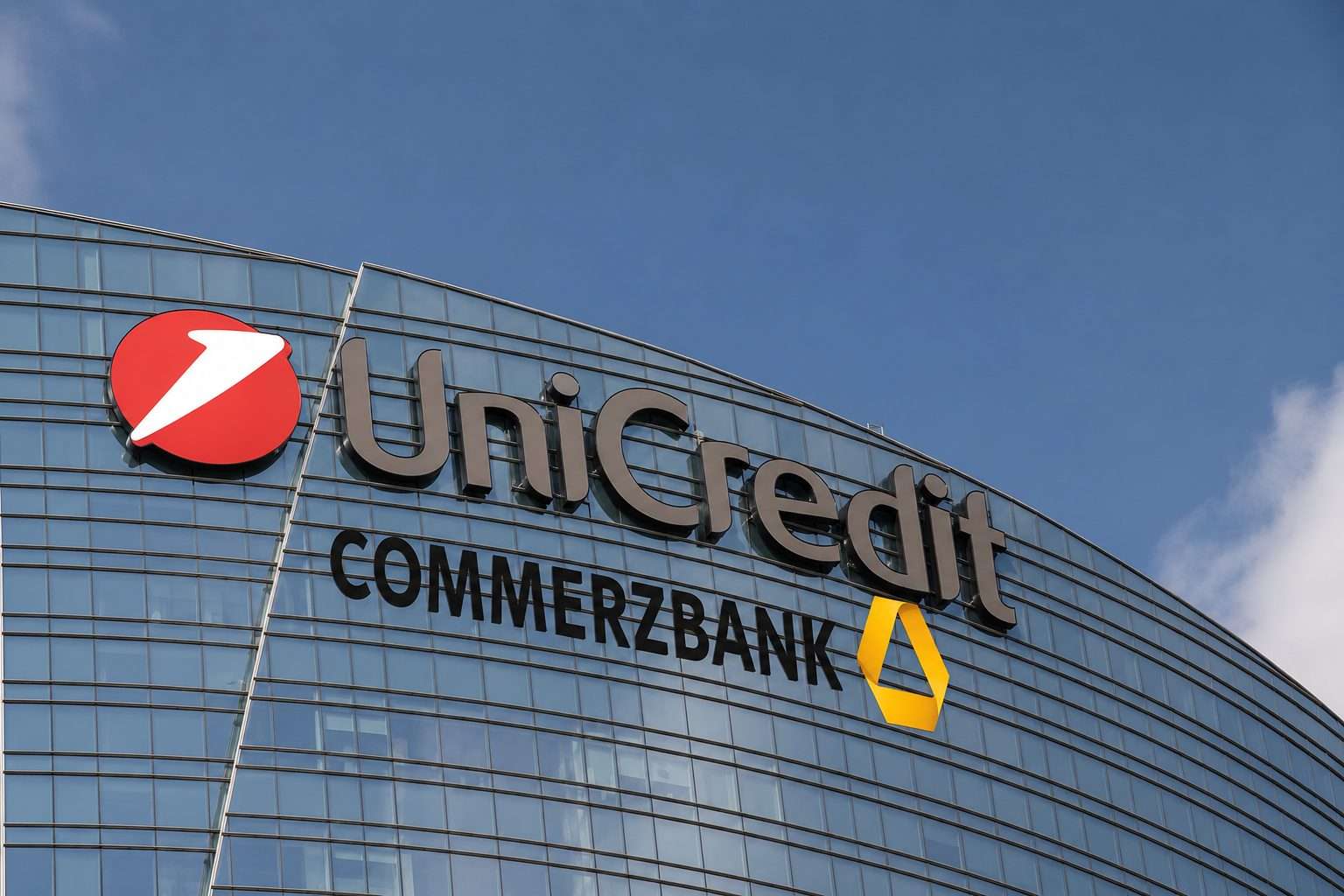
UniCredit CEO Andrea Orcel heads to Brussels on Monday, where he’ll meet EU competition chief Teresa Ribera and Financial Services Commissioner Maria Luisa Albuquerque—another move as his Commerzbank push pulls Germany’s second-largest listed lender further into the political arena.
Timing is key here. Commerzbank recently announced stricter stand-alone goals and additional layoffs—moves aimed at persuading investors it’s better off solo. Yet, EU authorities continue to push for bigger cross-border lenders, even as some national governments remain open to strategic partnerships.
ECB Vice-President Luis de Guindos criticized national resistance to private banking transactions, saying in a Monday interview published by the central bank that such opposition “undermine[s] the credibility” of the European savings and investments union. Europe, he argued, ought to function as a single capital and liquidity market. De Guindos also said the general rulebook should govern the Commerzbank case. European Central Bank
Commerzbank bumped up its 2026 net result goal to at least €3.4 billion on Friday, now targeting a roughly 21% net return on tangible equity by 2030. The Frankfurt lender is also forecasting net profit of €5.9 billion and revenue of €16.8 billion for that year.
“Every alternative must be measured against this,” Chief Executive Bettina Orlopp said after Commerzbank posted a first-quarter net profit of €913 million, climbing over 9%. Revenue hit €3.2 billion. Orlopp said the results proved the bank’s strategy is on track. Commerzbank
Commerzbank is planning roughly €600 million in AI investments over 2026-2030, aiming to unlock about €500 million in extra yearly value from 2030 and free up or shift close to 10% of its capacity. The strategy also means around 3,000 more gross job cuts, though the bank expects some of those losses to be balanced by targeted hiring in growth segments.
Last week, UniCredit put forward an offer of 0.485 new UniCredit shares for each Commerzbank share. According to Commerzbank, that deal would peg its own shares at roughly €31.07 apiece, using UniCredit’s May 4 closing price—about 8.7% below where Commerzbank shares finished that day.
UniCredit is pitching the proposal as a method to clear Germany’s 30% takeover bar, aiming to start more substantial discussions rather than grab majority control right away. Last week, Orcel told analysts the “status quo works well” if UniCredit can’t secure control, noting the bank’s involvement is already spurring Commerzbank to raise its game. Reuters
Berlin isn’t budging. Chancellor Friedrich Merz reiterated Germany’s stance against hostile, aggressive bank takeovers, while Reuters noted the government still holds a 12% stake in Commerzbank, a legacy of its crisis-era rescue. On UniCredit’s move, Merz was blunt: “This is how trust is destroyed.” Reuters
Brussels’ scope goes beyond Germany. The European Commission has put pressure on Italy as well, targeting recent adjustments to its “golden power” regime—the law that gives Rome authority to vet or block transactions involving key firms. Tensions escalated after UniCredit dropped its offer for Banco BPM, pointing to interference from the Italian government. Reuters
Commerzbank faces a risk: pushing up targets and touting AI-driven efficiencies might still fall short if shareholders decide UniCredit’s offer, despite no hefty premium, promises a swifter payoff. For UniCredit, hurdles are political and regulatory. German opposition looms, EU authorities will take a hard look, and the timeline is long—Commerzbank doesn’t expect any deal to close before 2027, assuming the process even gets that far.