
Hamburg, May 12, 2026, 20:09 (CEST)
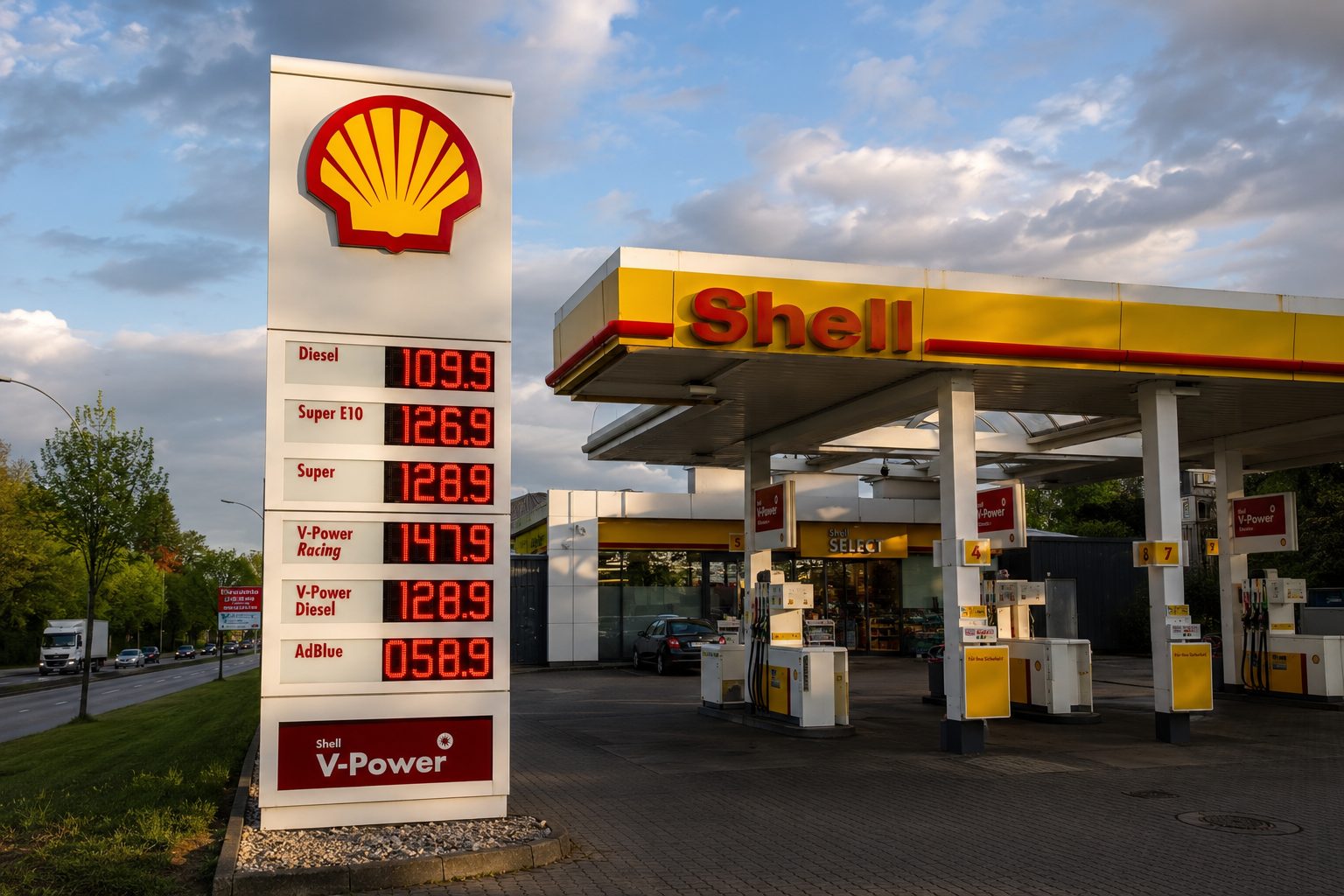
A manual error at Shell Deutschland let some German motorway service stations sell diesel at just 1.849 euros per litre—much lower than intended—before the price was corrected on Tuesday. Shell hasn’t disclosed the number of locations involved.
The error had real impact, clashing directly with Germany’s just-launched pump-price policy. As of April 1, filling stations can lower fuel prices whenever they choose, but are only allowed to hike them once daily, at noon. Designed to simplify things for drivers, the rule aims to make price changes more transparent.
The mistake put a policy designed for price shocks to the test, all because of a simple clerical slip—not a mispriced pump. On Monday, diesel prices in Germany held near 2 euros a litre on average. Motorway stations, typically pricier than city pumps, usually charge even more.
Diesel at two Shell stations along the A59 near Cologne-Schloss Roettgen popped up at 1.849 euros per litre on the ADAC fuel app at 7:10 a.m. Tuesday—roughly 10 cents under competing stations in the area, t-online reported. Price logs for both sites pointed to the last adjustment at 12:02 p.m. Monday.
A Shell spokeswoman said a manual pricing entry mistake hit motorway stations just after noon on Monday. The company was stuck with the error—by law, it couldn’t hike prices again until the following noon window. According to reports, stations affected were in North Rhine-Westphalia, Lower Saxony, and Saxony.
The Kraftstoffpreisanpassungsgesetz—the fuel price adjustment law—serves as the legal foundation. Lawmakers gave it the green light in March, drawing inspiration from Austria’s approach. The law covers both petrol and diesel, with penalties reaching up to 100,000 euros for violations.
The Federal Cartel Office’s market transparency unit tracks price moves at nearly 15,000 gas stations across Germany. By law, stations have just five minutes to report any price adjustments. That information powers fuel-price apps, which many drivers now depend on.
The timing made the Shell mistake stand out. In early April, ADAC checked over 14,000 stations and saw Super E10 prices leap by roughly 9 cents a litre at noon, with diesel up 10.5 cents, before both drifted lower as the day wore on.
In Germany, Shell faces off against Aral, Esso, and Total, with drivers often using apps to weigh prices. According to ADAC, those names—along with Jet—stand out as market leaders. Pricing mistakes, though, were linked specifically to Shell sites, with no mention of issues at competitors.
The episode comes as Berlin puts pressure on oil firms regarding fuel costs at the pump. Earlier this month, Finance Minister Lars Klingbeil told Reuters that fuel-tax relief “must be passed on,” while Andreas Mundt, who heads the Federal Cartel Office, pointed out that some stations marked up prices while others left them unchanged. Reuters
Whether the noon rule has actually curbed prices is up for debate among economists. ZEW’s Friedrich Heinemann put it bluntly to Reuters: “The 12 o’clock rule at petrol stations has failed as a price brake,” he said, after April inflation numbers confirmed energy costs remain a driver of headline inflation. Reuters
For Shell and its competitors, the risk here is clear: a rule aimed at preventing surprise price hikes might actually make it tougher to fix mistakes. If those slip-ups start getting costly, companies could respond by ramping up their approval processes or padding noon price postings with bigger margins. Regulators, for their part, are still stuck with the job of figuring out whether glitches are just technical issues or violations of the new regulation.
By midday Tuesday, that fleeting discount was mostly gone, ADAC app data showed. Drivers saw just a momentary price break. For fuel retailers, though, it became a real-time test of Germany’s updated fuel-price rules—this time triggered not by global oil moves, but a simple typo.