
SÃO PAULO, May 12, 2026, 14:07 (BRT)
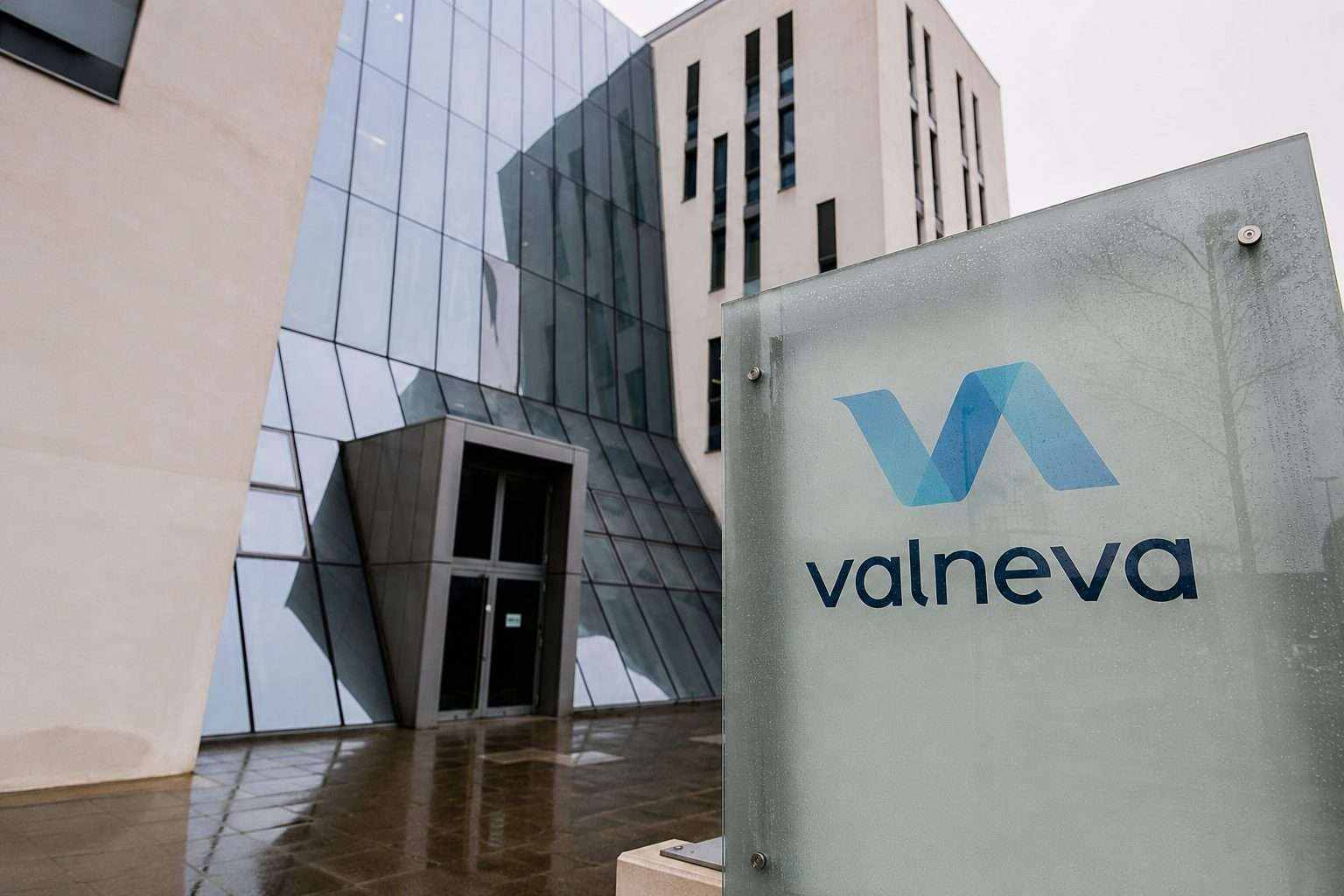
Valneva’s Brazilian partner has secured approval to produce the chikungunya vaccine locally, paving a route for the shot to potentially enter Brazil’s public health system. The update lands as Valneva’s stock faces a turbulent stretch. Anvisa, the national health regulator, authorized Instituto Butantan to handle manufacturing in Brazil. Until now, only Valneva’s own factories had been listed as production sites since the vaccine’s 2025 approval.
Timing’s key here, since Brazil still stands out as a market with a pressing need. According to Anvisa, chikungunya led to roughly 620,000 cases worldwide in 2025. Out of those, Brazil reported over 127,000 cases and 125 deaths. The agency added that domestic production could make it easier to fold the vaccine into SUS, the country’s public health system.
Valneva’s next move is on the radar. The biotech is set to release its first-quarter 2026 results May 13. Shares in Paris finished Tuesday at 2.53 euros, sliding 7.6%—giving up ground after a steep jump the previous session.
Butantan announced its Butantan-Chik vaccine, made in partnership with Valneva, will be produced and packaged domestically in Brazil. The shot has approval for adults between 18 and 59 at higher risk of chikungunya infection.
Esper Kallás, who leads Instituto Butantan, said making the vaccine locally should let the institute offer it “a lower, more affordable price,” all while maintaining “quality and safety.” Juan Carlos Jaramillo, Valneva’s medical director, described local manufacturing as a “crucial milestone.” According to Butantan, roughly 23,000 Brazilians have already gotten the shot through a pilot rollout. Instituto Butantan
Chikungunya moves through Aedes aegypti mosquitoes—the same ones responsible for transmitting dengue and Zika. Patients often face abrupt fever and fierce joint pain; for some, that pain can linger for months or even years.
Valneva’s IXCHIQ is cleared in Europe and Canada for anyone 12 or older, while approvals in the UK and Brazil only cover adults between 18 and 59. The story looks different in the U.S.—after a license suspension in August 2025 tied to a safety review, Valneva pulled its U.S. filings in January 2026.
Competition is already in play. Bavarian Nordic’s VIMKUNYA—approved in both the U.S. and Europe for those 12 and up—offers health agencies and travel clinics an alternative, at least in certain regions. It’s a single-dose, virus-like particle vaccine.
Valneva wants investors to look past chikungunya and pay attention to the rest of its pipeline. Back in March, Pfizer and Valneva announced their Lyme disease vaccine candidate cleared the 70% efficacy mark in a Phase 3 trial. Reuters, however, pointed out it failed to hit a crucial statistical endpoint. Still, Pfizer vaccines chief Annaliesa Anderson described the data as “highly encouraging.” Pfizer
There’s the balance sheet angle. In late April, Valneva wrapped up a reserved offering worth 84 million euros—37 million euros at closing, with another 47 million euros possible through warrants if certain targets are hit.
The rally hasn’t held up. According to Boerse.de, Valneva briefly pushed past its 38-day moving average at 2.75 euros on May 11—a level many traders watch for hints at short-term direction. After Tuesday’s drop, shares slipped below that technical line once more.
Still, Brazil’s green light alone doesn’t ensure a revenue surge. Real-world uptake hinges on public-sector purchases, pricing strategies, and the pace of rollout. Meanwhile, U.S. safety checks and competitive pressure from Bavarian Nordic could cap IXCHIQ’s growth internationally. Investors will be watching Valneva’s next big milestone: the May 13 earnings update.