
London, May 13, 2026, 11:04 BST
- Lloyds edged up to around 94.8p late in the London morning, gaining roughly 0.7% after a 4.35% drop on Tuesday. The rebound tracked a calmer gilt market and a broader move higher for UK banks.
- It’s macro forces steering this one: UK political tension, worries about higher bank taxes, oil-fueled inflation, and markets betting again on Bank of England rate hikes—these are what’s moving the chart, not anything new out of Lloyds.
- Bulls lean on Lloyds’ high-yield income pitch, guidance from Q1, and the buyback. Bears don’t need much more than fiscal clouds, mortgage pressure, and chatter about fresh bank taxes — all of which can slam the valuation quickly.
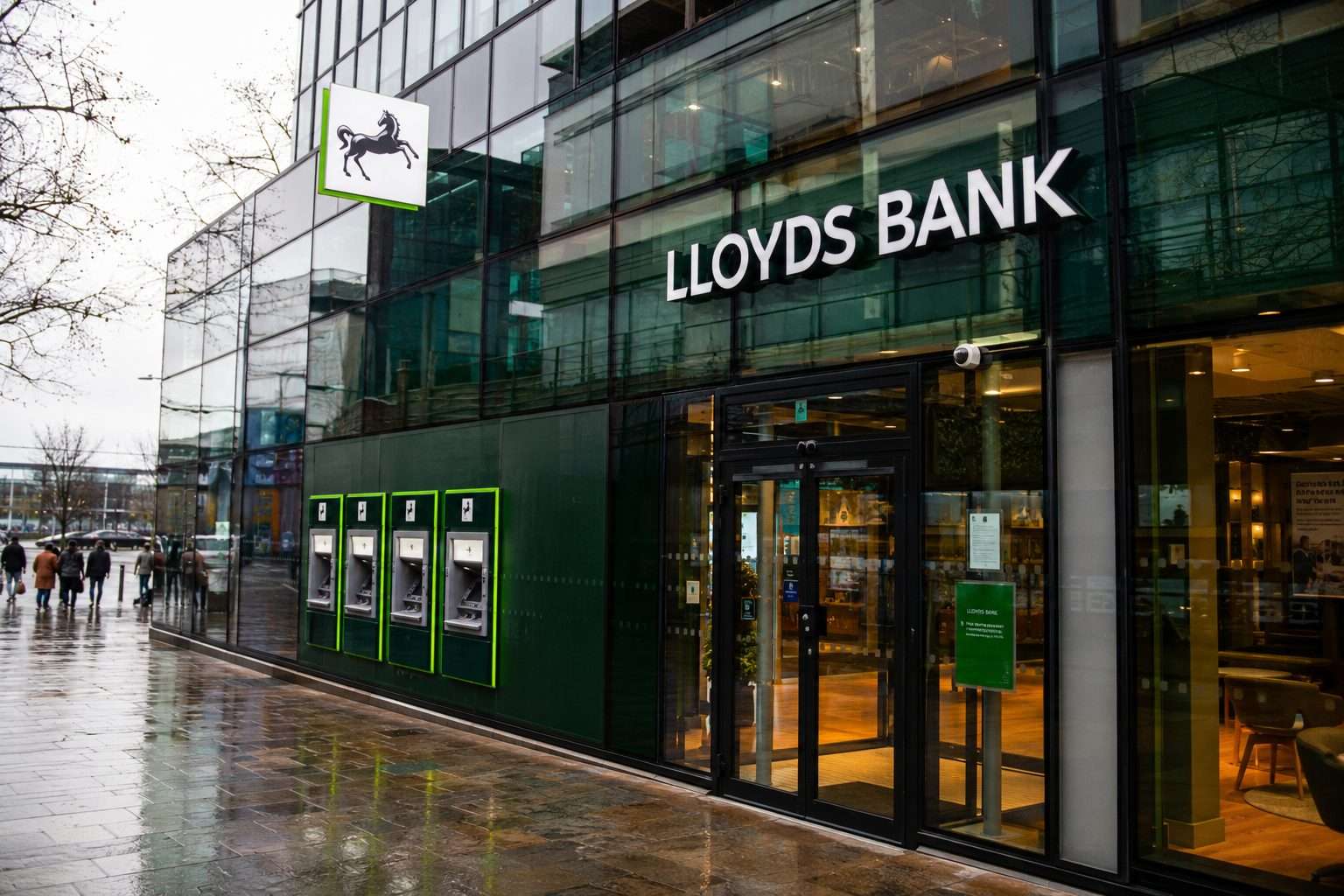
Lloyds Banking Group clawed back some ground Wednesday, though the rebound looked more like damage control than a real turnaround. Shares changed hands at 94.76p, up 0.74% by 11:02 BST. This followed a tough Tuesday for Lloyds, which slid 4.35% to 94.06p—while the FTSE 100 barely budged.
It’s all about the cause this time. Lloyds didn’t tumble on earnings news — the stock got caught in the crosshairs as markets treated it like a stand-in for UK fiscal risk. Gilts slid, sterling softened, and banks wound up the target. Investors, wary of a Labour Party shift toward higher lender taxes, dumped shares.
By Wednesday morning, some of that pressure let up. The 10-year gilt slipped to 5.073% after closing higher on Tuesday. Banks bounced: Barclays gained 1.7% at the open, Lloyds added 1.6%. The sector clawed back a bit of risk premium—hardly a signal that the risk has vanished.
The peer tape reflected a similar pattern. On Tuesday, Lloyds, Barclays, and NatWest each slid, but all three found buyers again by Wednesday—investors aren’t making much distinction, lumping the UK-focused banks together. Lloyds, though, takes the brunt: it’s more tied to UK households and mortgage trends than some rivals, so moves in bond yields, wage pressure, or housing affordability feed into its share price fast.
Rates sit at the center of it. Higher rates usually fatten net interest margin—the gap between what banks like Lloyds make on loans and what they shell out for deposits. That’s worked in Lloyds’ favor so far. But if those rates climb because stubborn oil prices keep inflation hot, and political jitters drive gilt yields higher, the same shift can put the brakes on mortgage growth, squeeze credit quality, and chill the mood for UK bank risk. UK rate futures on Tuesday, according to Reuters, pointed to roughly 68 basis points of Bank of England tightening by December—up from about 56 basis points just a day before.
Lloyds’ latest update hands bulls actual numbers to work with. First-quarter profit before tax landed at £2.0 billion, with return on tangible equity at 17%. Net interest income climbed 8% to £3.6 billion. Looking further out, management projected net interest income topping £14.9 billion in 2026. Chief executive Charlie Nunn called the bank “resilient” despite the persistent economic uncertainty. EQS News
Volume’s a factor here, though not the key force shaping today’s moves. Lloyds has rolled out a new £5,000-deposit mortgage aimed at first-time buyers—it’s a 98% loan-to-value product covering homes priced up to £300,000, and the bank is eyeing an extra £500 million in lending over the next year. That bolsters the growth angle, but the 5.89% rate underlines just how much affordability remains a challenge.
Bulls point to Lloyds still racking up solid earnings despite the higher-rate environment, and the lender keeps handing capital back to shareholders. On May 12, Lloyds snapped up 32.33 million ordinary shares at a volume-weighted average of 94.5432p apiece, with plans to cancel the lot—shrinking the share count and effectively boosting per-share profit. The bank closed out Q1 holding a CET1 ratio of 13.4%, its core capital measure, and stuck to its aim of trimming that down to roughly 13%.
Bears push back, arguing a buyback won’t counter a new tax bill if political pressure intensifies. IG’s Chris Beauchamp told City AM that investors see banks “firmly in their sights.” JPMorgan’s Jamie Dimon, for his part, said the bank would rethink UK investment if policy turns “hostile to banks.” That’s what’s dragging down share prices even without any formal policy on the table. City AM
Prediction markets tack on their own discount, but it’s hardly straightforward. On Polymarket, the live Starmer contract was pricing a 68% chance that “Starmer out by Dec. 31” comes to pass. Meanwhile, the 2026 next-prime-minister market painted a scattered field: “No Next PM in 2026” led at 34%, Andy Burnham followed at 24.3%, with Angela Rayner at 12% and Ed Miliband close behind at 10.3%. Hardly clean signals—traders see churn ahead, not an orderly transition. Polymarket
Motor finance continues to weigh in the background. On the Q1 call, management put remediation charges at just £11 million, saying Lloyds hadn’t booked any further motor-finance provision. That offered some relief, yet the issue still hangs over bear arguments for the stock.
Lloyds right now? It’s basically a gilt-and-policy play, built on a bank that’s got solid operating figures. The shares are up—investors are on board for the earnings and capital return angle, just as long as bond markets aren’t falling apart. But buying in at a premium? That’s still a stretch. Westminster politics, oil, and rates are still steering the market.