
London, May 13, 2026, 11:03 BST
- ULVR dipped 0.67% to GBX 4,247 as of 11:01 in London. Shares kicked off at GBX 4,247.50, with the session range marked by a low of GBX 4,230.50 and a high at GBX 4,255.50.
- This isn’t so much about weak results as it is about strategy—the spotlight swung back to the McCormick food deal after Terry Smith’s Fundsmith dumped its Unilever stake.
- Bulls highlight volume gains, Power Brands, and buybacks, while bears flag Europe softness, currency headwinds, and a food separation that’s anything but tidy.
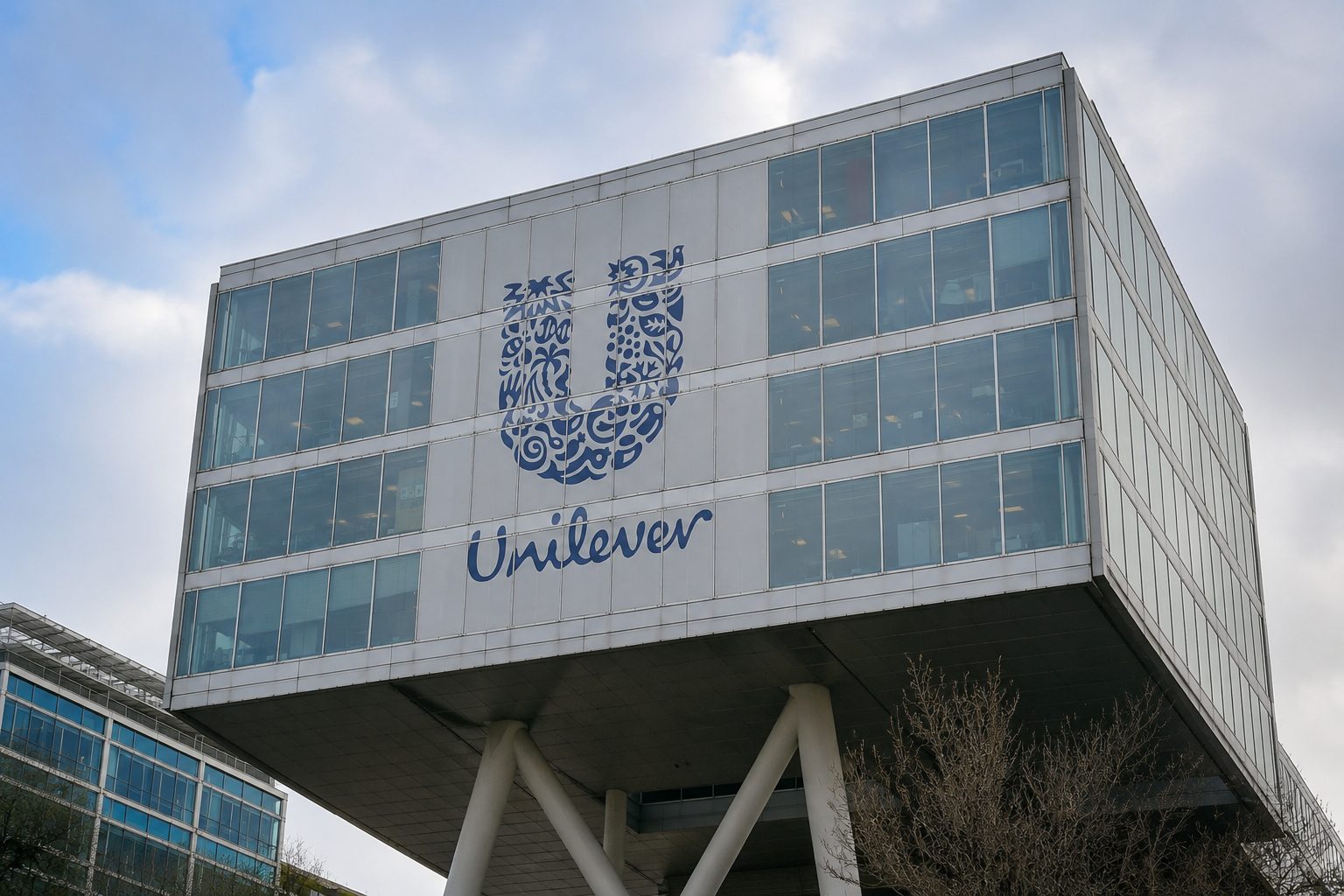
Unilever PLC shares in London edged lower late in the morning, hovering at GBX 4,247—£42.47—a 0.67% drop. The stock barely budged at the open, ticked up for a moment, and then slipped back. No rush for the exits here. Instead, the shares are drifting as investors debate what Unilever’s future actually looks like.
The real squeeze isn’t about how much soap, shampoo, or deodorant Unilever sells right now. It’s about whether investors still trust leadership’s big-picture bets. On Tuesday, City AM reported that Terry Smith’s Fundsmith Equity Fund dumped its Unilever shares after the McCormick food deal. Smith accused the company of ditching its “promised operational focus” and chasing breakups instead. A prominent exit like that, especially after years in the FTSE ranks, shifts the mood quickly. City AM
That goes a long way toward what’s showing up on the chart today. Shares are getting some lift from operating news, drawing in buyers — but conviction isn’t sticking around long enough to fuel a rally. Traders are juggling two angles here: improved volume growth in the main business, and whether the food deal adds an unwieldy layer of complexity.
The business itself has outperformed what Unilever’s share price indicates. For the first quarter, the company posted 3.8% underlying sales growth, with volumes climbing 2.9% and prices edging up 0.9%. Underlying sales growth excludes factors like currency shifts, acquisitions, and disposals. Volume growth here actually reflects higher sales—consumers are buying more, not just paying more for the same goods. That’s key; in this sector, investors typically favor demand-driven gains over price-led ones.
The mood from management stayed steady—confident, not exuberant. Chief Executive Fernando Fernandez summed it up for investors: “We made a good start to the year.” Growth? He called it “solid.” Fernandez highlighted Home Care volumes, flagged India and Brazil, and singled out Power Brands—Unilever’s top-tier lines accounting for nearly 78% of turnover. Those brands posted 5% sales growth, volume up 4%. Unilever
The stock didn’t move because the guidance stayed put. Unilever reiterated its full-year 2026 forecast, calling for sales growth at the low end of its 4% to 6% range and no less than 2% volume growth. Still, turnover dropped 3.3% for the quarter—currencies dragged the reported figure lower, and underlying sales in Europe also slipped. A better quarter, sure, but not convincing enough to end the argument.
Bulls are sticking to the basics here: volumes are coming back, emerging markets are picking up the slack, and that €1.5 billion buyback is in motion—a classic move, with the potential to lift earnings per share if it knocks down the share count. Fans of the stock are also pointing to the reshaped portfolio after the food carve-out: expect more Dove, Vaseline, Rexona, Home Care and beauty, with less of the slower packaged food segment.
Bears don’t hesitate: the McCormick deal looks smart, but it’s anything but straightforward. Under the agreed structure, Unilever and its shareholders are set for 65% of the merged entity, $15.7 billion in cash to Unilever, plus a mandatory 9.9% holding that Unilever must keep for at least a year after the transaction closes. Wrap it up by mid-2027—that’s the timeline. That’s not exactly soon, and Unilever’s lingering stake could hang over the stock, as investors eye possible future sales.
Reuters flagged the issue right after the deal surfaced: Unilever shares slid 7%. Analysts and investors pointed to the deal’s structure, the drawn-out timeline, and the regulatory process as sticking points. Quilter Cheviot’s Chris Beckett called the hefty ownership block “an overhang for a time to come.” That sums up the bear case. Reuters
Unilever’s peers aren’t offering much of a lift. Reckitt slipped in London, while L’Oréal dropped 1.35% in Paris. P&G’s most recent U.S. quote showed just a small uptick ahead of the main session. The takeaway? Investors are still leaning toward defensive plays, but there’s little appetite to pay any price for household and beauty stocks. Unilever still needs to show its growth story isn’t a one-off.
One technical detail is coming up fast: Unilever’s ordinary shares turn ex-dividend on May 14, so buyers after that date miss out on the Q1 payout of £0.4046 per share. That twist doesn’t settle the strategy argument, but it does show up on the chart for this week’s action.
Today’s action isn’t really about Unilever missing the mark last quarter. The market’s just saying: one good three-month stretch doesn’t cut it yet. Bulls point to signs the business is getting its act together. Bears are still watching the McCormick setup, sluggish demand in Europe, plus that exit from a well-known shareholder. Without a sharper trigger for either camp, ULVR could stay caught in limbo—trading more like a fixer-upper with solid brands than your standard defensive name.