
London, May 14, 2026, 16:04 BST
- The Court of Appeal tossed out every Tesco Stores appeal ground but one in the protracted equal pay dispute.
- Tesco has reported roughly 62,000 equal pay claims. The retailer says any resulting liability may be significant, but it’s still too early to gauge the final impact.
- The company released its 2026 annual report and AGM notice, and the £750 million buyback is still underway.
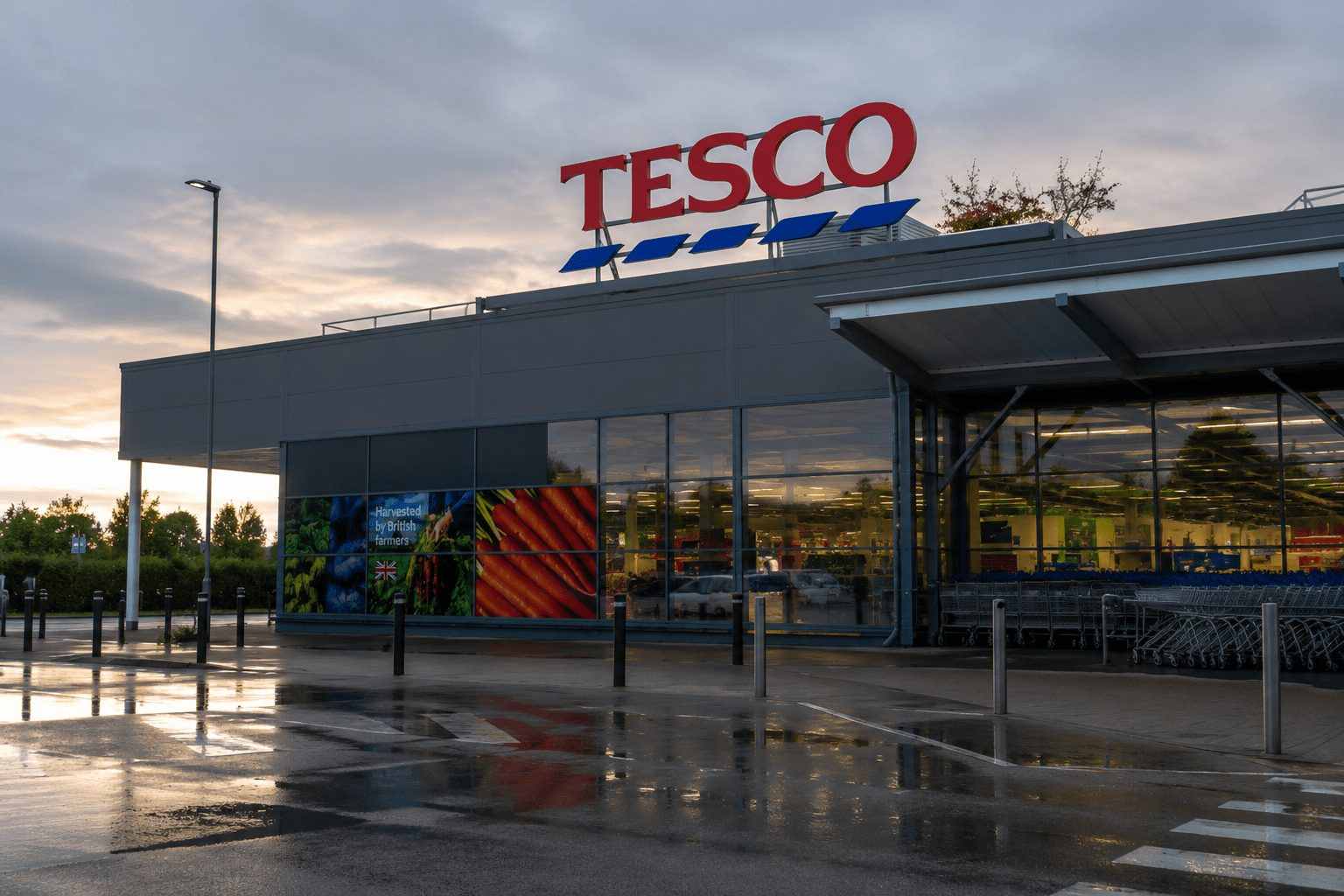
Tesco Stores Ltd, the Tesco PLC subsidiary, lost nearly all arguments in its Court of Appeal push to shape the assessment of evidence in its lengthy equal pay dispute—a blow to Britain’s largest supermarket as it fights on in a separate tribunal. Judges threw out every ground except one, leaving the litigation to proceed. The final decision is still pending.
This case has fresh urgency, with Tesco revealing around 62,000 claims so far from both current and ex-hourly store workers—a figure that’s likely to climb as the legal fight drags on. Those bringing the claims argue that jobs in stores and distribution centers should count as equal work when it comes to pay. Tesco, for its part, maintains that it’s too early to put numbers on any possible fallout.
The dispute comes as UK retailers grapple with a broader pay battle. Tesco, Asda, and Morrisons have faced employment tribunals over pay gaps between warehouse and store staff, the Financial Times noted. The paper, reporting earlier this month, said Tesco’s case alone could leave the supermarket giant liable for billions if it doesn’t prevail.
The Court of Appeal’s May 12 decision zeroed in on whether an employment tribunal was right to use Tesco’s internal training guides and operational manuals as a reference for the actual duties of customer assistants and warehouse operatives. Lady Justice Elisabeth Laing found those documents sufficiently specific to count as evidence of what the roles required.
Equal value boils down to whether separate roles require a similar mix of effort, skill, and demands. When employers point to a material factor defence, they’re saying pay gaps come from reasons unrelated to discrimination—think operational necessities or what the market pays.
Tesco’s preliminary results outlined that equal pay claims typically move through three stages, and claimants must succeed at each one. The company noted that the initial hurdle—comparability—was conceded following a prior European court decision. That leaves two elements still on the table: the equal work assessment, and Tesco’s material factor defences.
Leigh Day, representing over 16,000 Tesco shop workers, called the Court of Appeal’s decision a victory for claimants who face the prospect of proving thousands of individual job details. Employment partner Kiran Daurka described the ruling as one that strips away “unnecessary hurdles” from complex equal pay cases. Leigh Day
Tesco hasn’t lost the underlying equal pay case. In its results, the company pointed to “various and substantial uncertainties” around the claims, saying it has several factual and legal defences lined up, and plans to contest them forcefully.
Tesco faces a risk: a negative final ruling might push up labour costs or force it to cover back-pay, just as UK grocers are squeezed by rising wages, energy bills and fierce price competition. Right now, the company says it can’t gauge the odds, possible liability, or the impact on the group—but notes the potential exposure could be significant, depending on the number of successful claims.
The Court of Appeal, for its part, pointed to the sluggish pace, describing a final outcome as “still a long way off.” Tesco echoed that view, noting in its disclosure that a resolution—including appeals—could drag on for years. Courts and Tribunals Judiciary
Tesco’s legal update landed the same week as its 2026 Annual Report and Financial Statements, with shareholders also receiving notice for the June 18 annual general meeting. That meeting, which will stream through Lumi Global from Welwyn Garden City, was confirmed in the filing.
Tesco disclosed it repurchased 436,666 shares on May 13, paying an average of 458.02 pence a share as part of its ongoing £750 million buyback. These shares are set to be cancelled. Since kicking off the programme on April 22, the company has snapped up 6.3 million shares, spending £30 million.
There’s little relief coming from the broader macro picture. As of this day, Polymarket traders saw an 89% chance the Bank of England would hold steady at its June 18 meeting, while also pricing in a 59% likelihood the central bank will raise rates at some stage in 2026—signals that leave borrowing costs and household budgets under strain.