
London, May 14, 2026, 17:29 BST
- Haleon has signed on as UEFA Medical’s first Health Partner, kicking off a multi-year scientific collaboration.
- Pain management and clinician education, both tied to football, are at the heart of the deal.
- Haleon shares closed a touch down in London, as investors continued to assess weaker pain and respiratory sales.
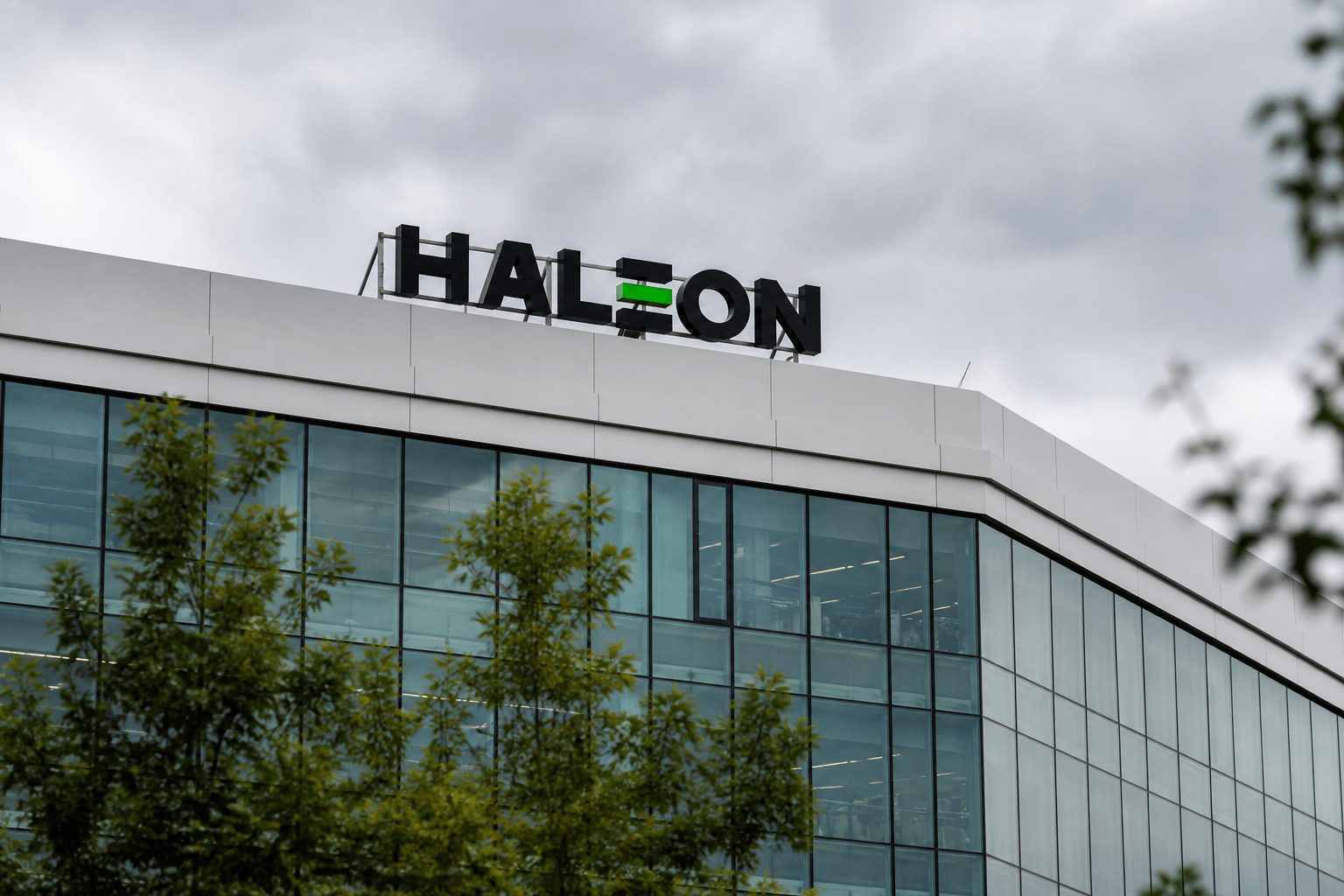
Haleon PLC is now the first Health Partner for UEFA Medical, landing the maker of Sensodyne and Voltaren a new foothold in football medicine. The move comes as Haleon looks to spotlight its over-the-counter pain brands in a consumer health sector that’s turning more challenging.
The company and UEFA have signed a multi-year deal aimed at advancing evidence-based pain management—think topical treatments, digital training modules, and webinars designed for medical staff. Topical NSAIDs, a class of painkillers applied directly to skin, not taken orally, are part of the focus.
Timing is a factor here. Haleon’s pain relief segment slipped 0.3% organically for the first quarter. Respiratory health fared worse, off 3.4%, with cold and flu demand muted. But oral health pulled ahead—up 8.3%, thanks to Sensodyne and parodontax.
Haleon’s hoping to take sports medicine beyond its usual niche. Fierce Pharma reported the UEFA Medical alliance comes on the heels of a March agreement that named Voltaren an official UEFA Champions League licensed product. The company also launched a U.S. Soccer Federation marketing campaign in April.
Dr Zoran Bahtijarević, who leads medical and anti-doping efforts at UEFA, called the collaboration with Haleon a “valuable framework” for building out evidence-based guidance aimed at clinicians and medical staff. From Haleon, Eran Gefen, head of medical and scientific affairs for OTC, said the company’s part is to contribute medical expertise focused on the needs of active individuals. Uefa
Haleon kept financial details under wraps, so investors are sizing up the move mainly as a brand-building and professional-education push tied to Voltaren, Advil, and its other pain-relief brands, rather than counting on immediate earnings impact.
This market isn’t a forgiving one. Last month, Reuters said Haleon flagged higher freight costs and stuck with its 2026 target, though sluggish cold and flu sales trimmed first-quarter organic revenue growth to 2.2%—a hair under what analysts had expected. Rival Reckitt, with its own slate of consumer health and household brands, pointed to the same weak demand for cold and flu products in both the U.S. and Europe.
Kenvue, which makes Tylenol and stands as another big name in consumer health, posted a 2.3% drop in organic sales for its self-care segment in the first quarter. The company blamed lackluster cold and flu seasons across its main markets for dragging down results in that unit. That’s a sign Haleon isn’t the only player feeling the sting from weaker seasonal demand.
Still, Haleon hasn’t stopped handing cash back to shareholders. The company earmarked 500 million pounds for share repurchases set for 2026, and by late April, about 36% of that was already done. According to a filing this week, it scooped up 10.2 million ordinary shares for cancellation between May 5 and May 8.
Shares trailed for the session. According to Hargreaves Lansdown, Haleon was quoted at 329.5 pence on the sell side and 329.6 pence to buy following the London close, a dip of 0.21%. The FTSE 100, by comparison, rose 0.46%. Hargreaves Lansdown pegged Haleon’s market cap near 29.18 billion pounds.
There’s a chance a science-focused football tie-up could raise Haleon’s profile, though sales may not see a fast boost. For now, the company still has to deal with sluggish cold and flu demand, higher freight costs, and tighter household budgets — all pressing challenges for its 2026 targets.
For now, the UEFA contract sharpens Haleon’s pitch in sports medicine. The bigger challenge: showing it can actually deliver on the numbers.