
SYDNEY, May 15, 2026, 07:06 (AEST)
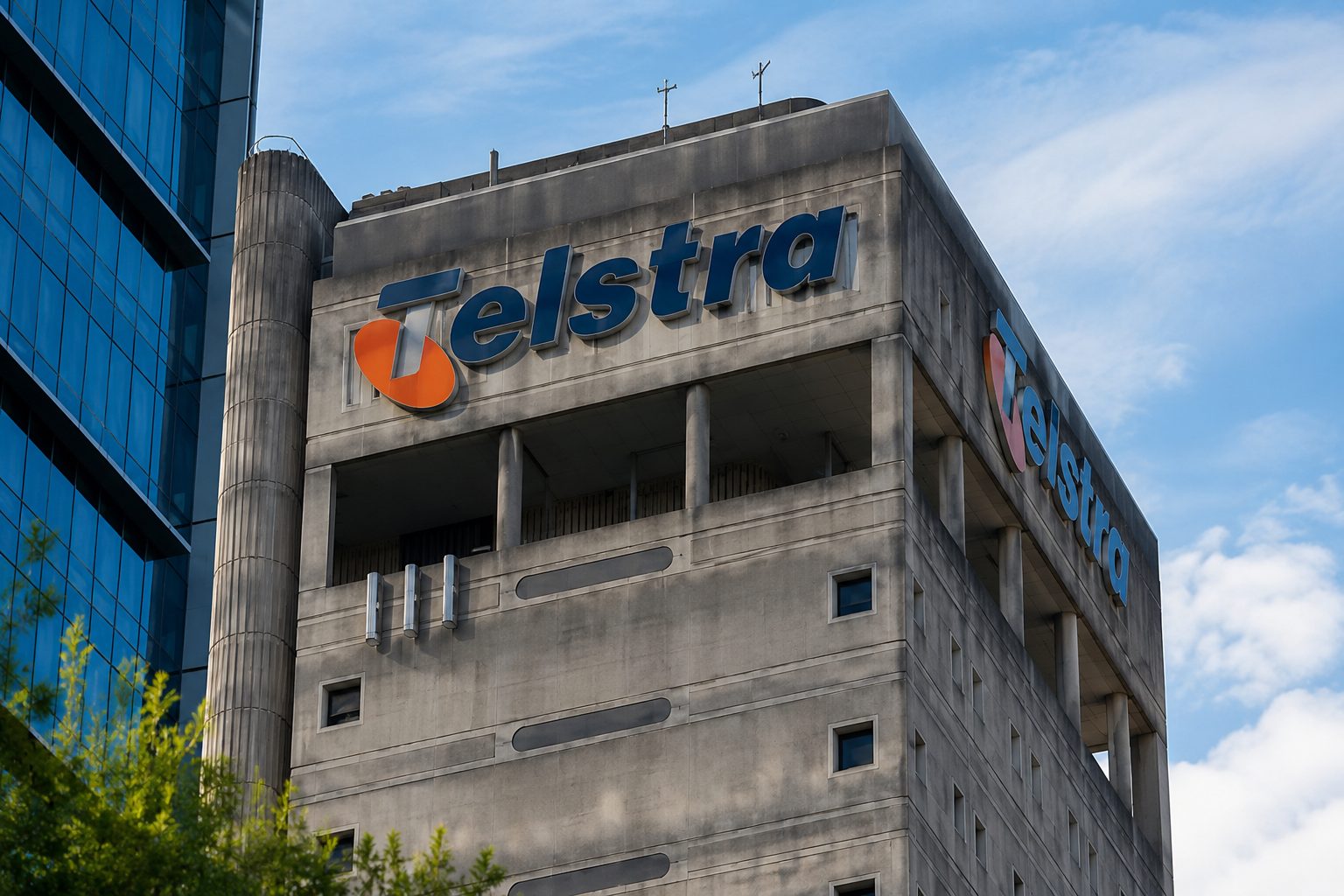
Telstra Group Limited is now roughly A$140 million shy of hitting its A$1.25 billion on-market buyback cap, according to a daily market filing. The company snapped up another 1.14 million ordinary shares on May 14. An on-market buyback refers to Telstra purchasing its own shares in the open market.
This comes into focus as the program nears its finish line. Telstra’s filing points to a proposed wrap-up on June 30, with numbers showing total consideration at about A$1.11 billion—roughly 89% of the cap.
The capital return comes right on the heels of a real-time pricing shake-up in Telstra’s core mobile segment. On May 5, the company bumped up most postpaid mobile plans by A$4 a month, with prepaid plans up roughly A$5. The move has intensified scrutiny around customer churn and pricing pressure from rivals Optus and TPG.
According to Thursday’s notice, Telstra picked up 218.24 million shares ahead of the latest session and added another 1.14 million that day, bringing the total count to 219.38 million. Purchases on May 14 came to A$6.05 million, with the buyback priced between A$5.26 and A$5.32 per share.
Barrenjoey Markets is on the deal as broker. According to the filing, Telstra has 11.385 billion ordinary shares outstanding in the class up for buyback.
Back in February, Telstra bumped its buyback up to A$1.25 billion and narrowed its full-year underlying EBITDAaL range to A$8.2 billion to A$8.4 billion. That EBITDAaL figure—operating earnings after lease amortisation—remains a telecom industry yardstick for profit before financing and tax.
Mobile took the spotlight again in February. Telstra turned in a half-year profit of roughly A$1.1 billion, a 9% increase for shareholders. Mobile service revenue climbed 5.6%, while mobile EBITDA edged up 4% to A$2.7 billion.
Last August, Chief Executive Vicki Brady unveiled the extra buyback, emphasizing Telstra’s commitment to “continuing to deliver value for our shareholders” alongside funding business investment and capital returns. At the time, the company noted that both the size and schedule for repurchases would be shaped by market conditions. Telstra.com
After the February numbers dropped, Zavier Wong at eToro described Telstra as “one of the most defensive names on the ASX”—highlighting its steady earnings and reliable dividends. These are the kinds of stocks investors usually lean on when growth is losing steam. MarketScreener
The edge of the network still matters, and it’s not cheap. According to the Australian Competition and Consumer Commission’s most recent mobile infrastructure report, Telstra counted 11,767 mobile sites and 6,421 5G sites in 2025—well ahead of Optus and TPG. That lead lets Telstra justify higher prices, but also hands competitors a clear opening: push lower-cost plans.
But there’s no guarantee the buyback will go ahead as planned. Telstra’s filing made it clear: the company intends to step in only if it sees the buybacks as a smart move for capital management. Telstra also left itself an out, keeping the door open to pause or scrap the program whenever it wants.
Telstra’s annual results land Aug. 13, and investors are set to scrutinize whether the mobile revenue’s feeling the impact from May’s price hikes—ideally, without sparking a surge in customer churn. Key focus: cash earnings, which need to be strong enough to back ongoing dividends and capital returns.