
LONDON, May 15, 2026, 10:05 BST
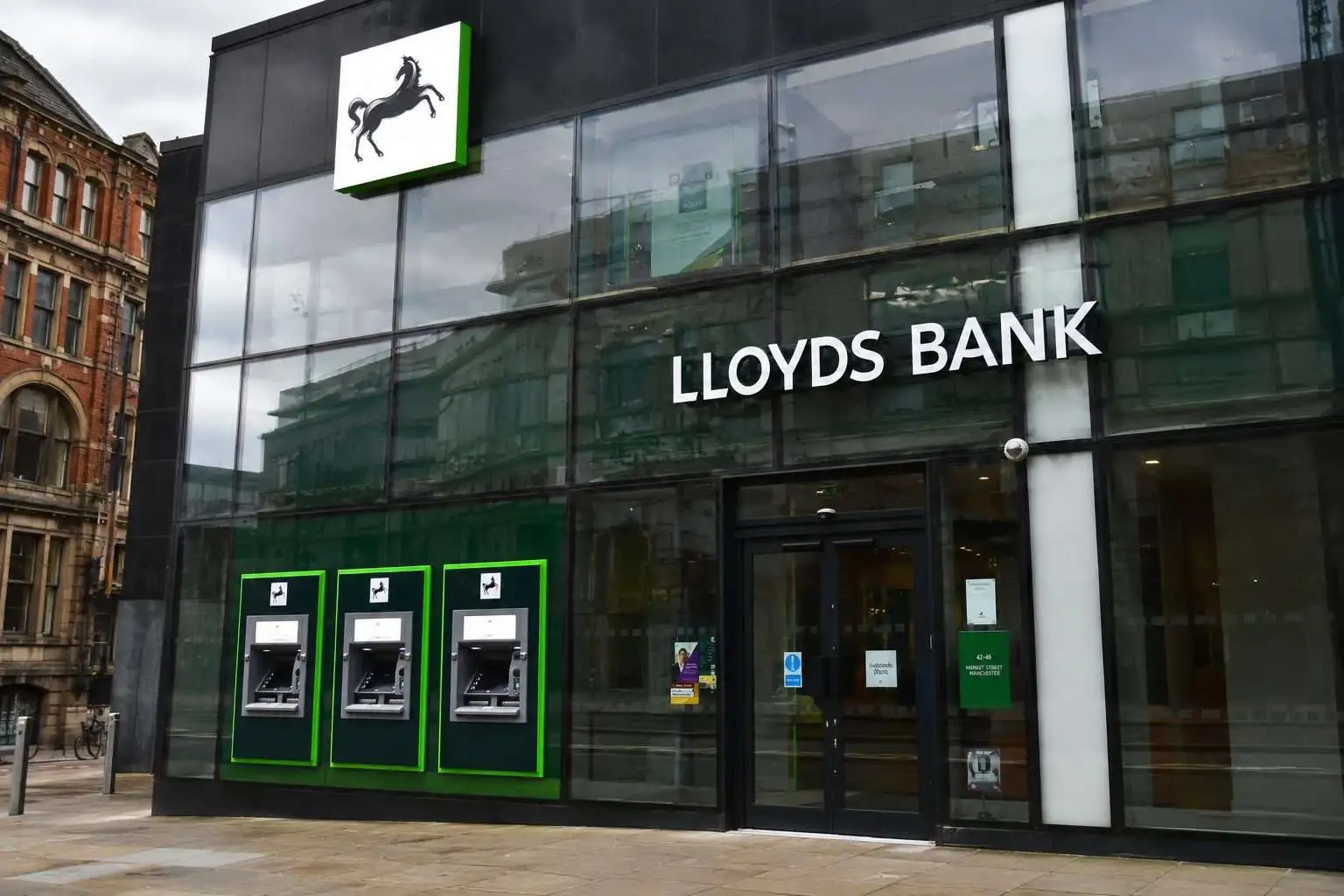
Lloyds Banking Group shares slid over 2% Friday, part of a broader slump for UK banks as investors grappled with political jitters, higher government borrowing costs, and renewed inflation fears. Barclays sank more than 2% as well. Sterling touched a five-week low. The FTSE 100 retreated 0.6%.
Lloyds stands out these days as a direct barometer for the UK economy. When gilt yields climb — those are UK government bonds — funding costs can ratchet higher, putting pressure on borrowers and making the environment tougher for mortgages, consumer credit, and small-business loans.
UK politics jolted markets after a dramatic shakeup. Reuters reported Prime Minister Keir Starmer faced a battle to hang on, with Health Minister Wes Streeting stepping down. Over in Greater Manchester, Mayor Andy Burnham could return to Parliament—Makerfield’s Labour MP, Josh Simons, announced he’d quit, setting up a by-election that might open the door for Burnham’s Westminster comeback.
Jefferies economist Mohit Kumar told Reuters, “Market’s fear is that Burnham would be more left leaning, and we could see further increase in deficits.” He also said Jefferies is expecting “a managed exit for Starmer,” projecting Burnham as the likely next prime minister. Reuters
Lloyds investors have more than politics to worry about. According to Reuters, the 10-year gilt yield climbed nearly 12 basis points, landing around 5.11%. (One basis point equals one-hundredth of a percent.) Higher yields sometimes help banks’ margins, but a quick spike can squeeze financial conditions and dampen loan appetite.
Some of Thursday’s gains didn’t last. Lloyds climbed 1.62% to 96.60 pence on May 14, doing better than the FTSE 100 that day, but the shares stayed far from their February 4 peak of £1.15, according to MarketWatch data.
Just a day after Lloyds shareholders signed off on every resolution at the bank’s annual meeting in Edinburgh, the selloff hit. According to the company, 99.94% of investors backed the final dividend, with roughly 67.7% of ordinary shares in play.
Regulation is shifting behind the scenes. The UK government announced plans this week to revise ring-fencing rules—measures that force big banks to keep their retail arms apart from riskier investment banking. These rules hit lenders holding over 35 billion pounds in retail deposits, among them Lloyds, NatWest, and Barclays, according to Reuters.
Lloyds kicked off the week with a jump in earnings. The bank posted a 33% increase in first-quarter pretax profit, hitting 2 billion pounds on April 29—beating the analyst consensus of 1.84 billion pounds—driven by gains in lending income. CFO William Chalmers noted that Lloyds is working on the basis of “a gradual de-escalation” in Middle East tensions, after it booked a 151 million pound charge related to fallout from the Iran war’s anticipated drag on global growth. Reuters
Chief Executive Charlie Nunn, in Lloyds’ investor materials, pointed to improved income, tighter cost control, and higher profitability for the first quarter. The group stuck to its 2026 guidance, still projecting a slight lift in net interest income. More on strategic progress is coming when the bank reports half-year results on July 30.
Investors on prediction markets continued to bet the Bank of England would hold steady. As of this day, Polymarket traders put the odds of no change in the Bank Rate at the June 18 meeting at 88.5%, with just 10.5% pricing in a 25-basis-point hike, according to the market’s page.
The risks aren’t hard to spot. Should gilt yields continue climbing, energy costs push up inflation, or political unrest persist in the UK, Lloyds may see a drop in credit appetite and more borrowers running into trouble. There’s also the unresolved UK motor finance redress overhang. According to Reuters, Lloyds didn’t book any new provision for this in the first quarter, while the Financial Conduct Authority has pegged the potential industry-wide payout at 9.1 billion pounds.