
London, May 15, 2026, 16:06 BST
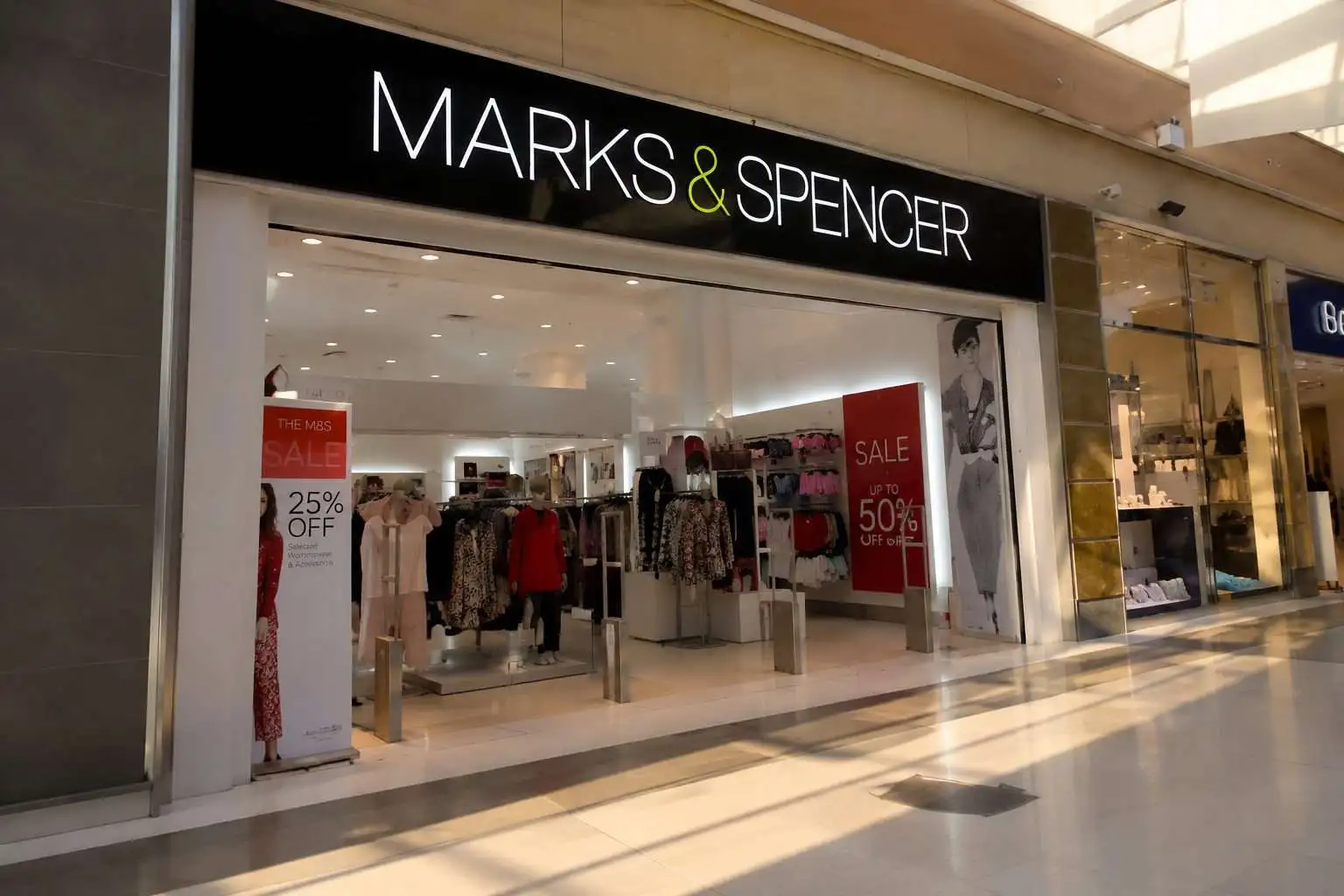
Marks & Spencer Group plc has kicked off work on a £340 million automated food distribution hub in Northamptonshire—the biggest supply-chain spend in its history—as the retailer looks to ramp up food sales and grab a bigger slice of the grocery basket. Kevin Bennett, head of logistics at M&S Food, described the project as a “major step” that will “boost capacity” and drive down long-term service costs. Marks & Spencer
The calendar matters: M&S will unveil its full-year results May 20, setting the stage for investors to gauge if food sales, store upgrades, and logistics investment are paying off—especially after a tough stretch for UK retailers.
M&S is targeting a 2029 launch for its 1.3 million square foot facility, which will supply over 200 of the company’s Food stores. The project is set to create upwards of 1,000 jobs and aims for a BREEAM Outstanding sustainability rating, the highest mark available.
This warehouse isn’t just some minor initiative. It’s designed to tackle the bigger hurdle in M&S Food’s strategy—pushing a wider range of products into additional stores, making sure the supply holds up, and doing all that without letting delivery and handling costs erode the upside.
M&S is making moves in its fashion unit. Earlier this week, the retailer struck a conditional £67.5 million agreement to acquire a 437,000 sq ft automated distribution centre in Lichfield from ASOS. The facility is set to open as part of the M&S network in 2027, bringing in 600 jobs. John Lyttle, managing director for Fashion, Home and Beauty, called the deal a match for M&S’s strategy of “highly disciplined capital investment”. Marks & Spencer
ASOS is moving ahead with its clean-up efforts. According to a stock-exchange filing, the online fashion retailer anticipates net proceeds of at least £66 million from the Lichfield sale, along with roughly £6 million in annual cost savings. The deal should also deliver a one-off pre-tax profit around £85 million.
Competition remains fierce. Tesco and Sainsbury’s are picking up UK grocery market share, while Asda continues to slip. Grocery inflation stuck at 4.3% over the four weeks ending March 22, Worldpanel by Numerator figures show, as reported by Reuters.
M&S is aiming to go toe-to-toe with rivals, but not by morphing into Tesco. On Friday, Bernstein kicked off coverage with an Outperform on the shares and set a £4.40 price target, grouping M&S with retailers whose future hangs on transformation, not just size.
Friday’s session saw shares barely budge, quoted at 320.90 pence on Investing.com’s London page—just a 0.13% uptick. They moved between 314.90p and 323.00p during the day, still far from the 52-week high of 411.30p.
There’s a hitch: the food hub doesn’t launch until 2029. That leaves execution risks, potential swings in construction costs, and the question of whether consumers will keep reaching for their wallets as inflation and higher rates bite.
The tone has shifted. According to a Reuters poll, most economists still see the Bank of England keeping rates steady at 3.75% through this year, but more than a third are bracing for at least one hike before 2026 wraps up. On Polymarket, traders are giving a 62% shot to a Bank Rate increase by 2026.
So, M&S returns to execution mode. The company’s mapped out an expanded food operation, sped up its fashion side, and is already gearing up for fresh results next week. Investors have their eye on whether all this spending will translate into sales—and, not too far down the track, the profits to make the investment worthwhile.