
London, May 16, 2026, 15:05 (BST)
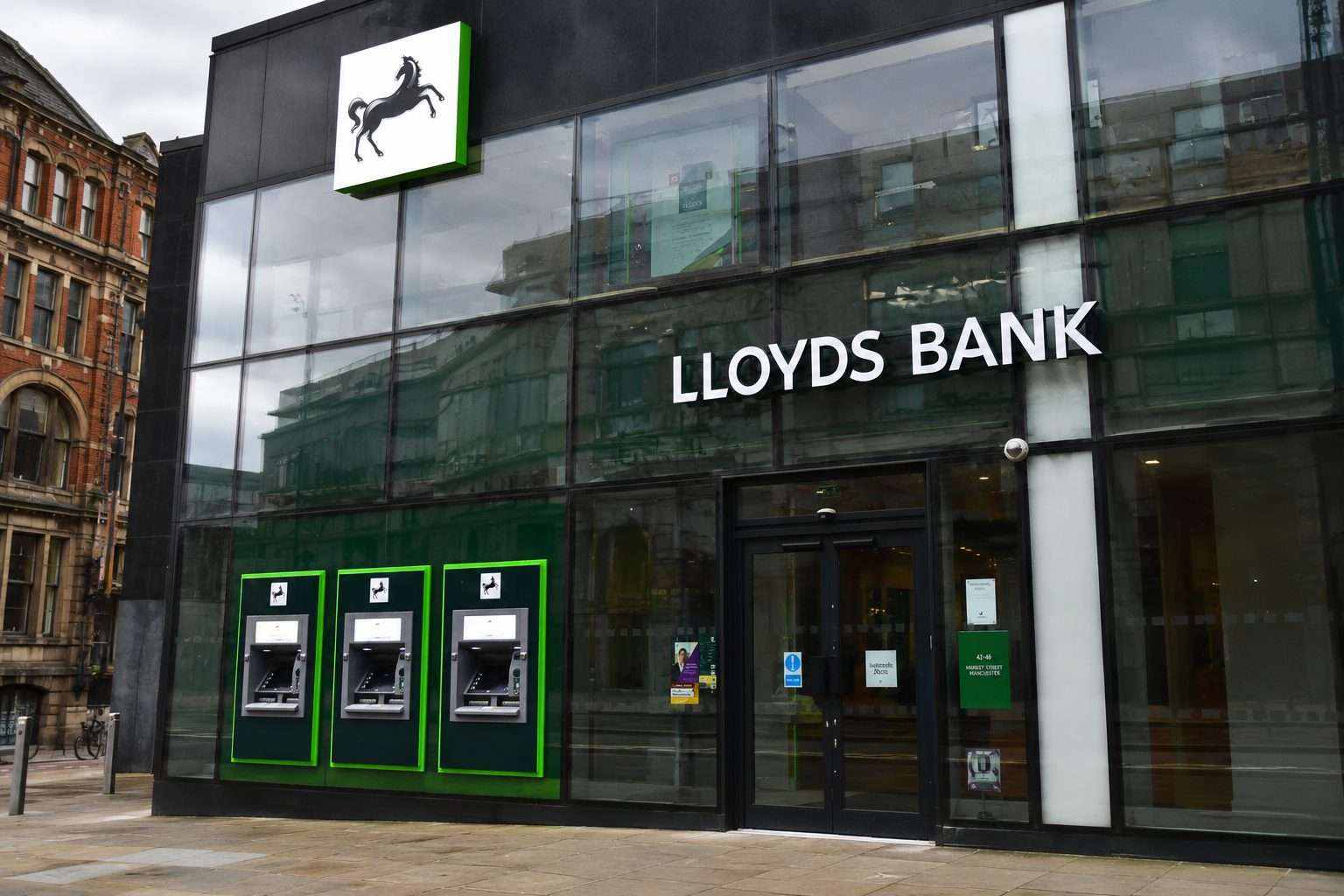
Lloyds Banking Group shares closed at 94.06 pence in London Friday, losing 2.63%. UK-focused banks were under pressure as the sector fell. Lloyds is now about 5% below where it finished on May 8.
London investors won’t get to react until Monday. The London Stock Exchange is closed on Saturday, and only offers equity trading on weekdays, with the next session opening after the weekend.
Lloyds wasn’t the only name hit in the selloff. UK borrowing costs climbed, FTSE 100 lost 1.7%, and shares of Barclays and Lloyds both slid close to 3%. Investors sold off as the political crisis facing Prime Minister Keir Starmer deepened and bets grew for looser UK fiscal policy. A gilt is a UK government bond; when gilt yields go up, it raises borrowing costs for the government and usually tightens financial conditions for banks and borrowers.
Jefferies economist Mohit Kumar said, “Market’s fear is that Burnham would be more left leaning, and we could see further increase in deficits.” Kumar is talking about Greater Manchester Mayor Andy Burnham and his potential move to parliament, along with a possible Labour leadership race. Reuters
Sector stays under pressure after moves from peers earlier in the week. Shares in Barclays, NatWest and Lloyds each dropped more than 3%. Reuters said JPMorgan analysts see the UK banking surcharge going to 5% from 3% if policy swings left. Tax risk has made political news move bank stocks.
Regulatory headlines are also in focus. Reuters, citing Sky News, said Saturday that Britain’s government may lay out more detailed plans next week on loosening bank “ring-fencing” rules. Those rules keep big banks’ retail and investment banking apart. According to the report, banks could get the go-ahead to share more services between ring-fenced and non-ring-fenced businesses, which would save on costs. Reuters
Lloyds, NatWest, Barclays and HSBC could soon face fresh questions on Monday if a softer ring-fencing regime comes up. While looser rules might lower costs and make lending easier, traders are more focused on UK political risk lifting funding costs.
Lloyds bulls still have some numbers on their side. In the first quarter, the bank reported statutory profit before tax up 33% to 2.03 billion pounds. Net income climbed 9% to 4.79 billion pounds, and underlying net interest income was up 8% at 3.57 billion pounds. Net interest income means the difference between loan earnings and deposit costs.
Lloyds chief executive Charlie Nunn said the bank delivered “sustained strength in financial performance” this quarter and added he is “confident” about hitting its 2026 targets. The investor page reported a 17.0% return on tangible equity, a key measure of profitability that excludes intangible assets. Lloyds Banking Group
Sterling, 10-year gilts, and the direction of the ring-fencing plan are in focus for the next session. Traders are watching if the proposals turn into a cost-cutting angle or get pulled into politics again. Friday’s 93.30p marked the first support level on the chart; 96.60p, where it closed Thursday, is the first clear bounce point.
Lloyds still faces risks. If gilt yields push higher or the market starts pricing in bigger bank taxes, the bank’s stronger earnings may not help much right now. A more measured fiscal approach from Westminster might help the shares. But a long leadership contest could keep the stock stuck near the low-90p mark.
Monday’s trading is set for a choppy open, not a clear bounce. Lloyds will probably act more as a stand-in for UK political risk than as a regular bank stock, at least until borrowing costs and the pound calm down.