
LONDON, May 18, 2026, 09:02 BST
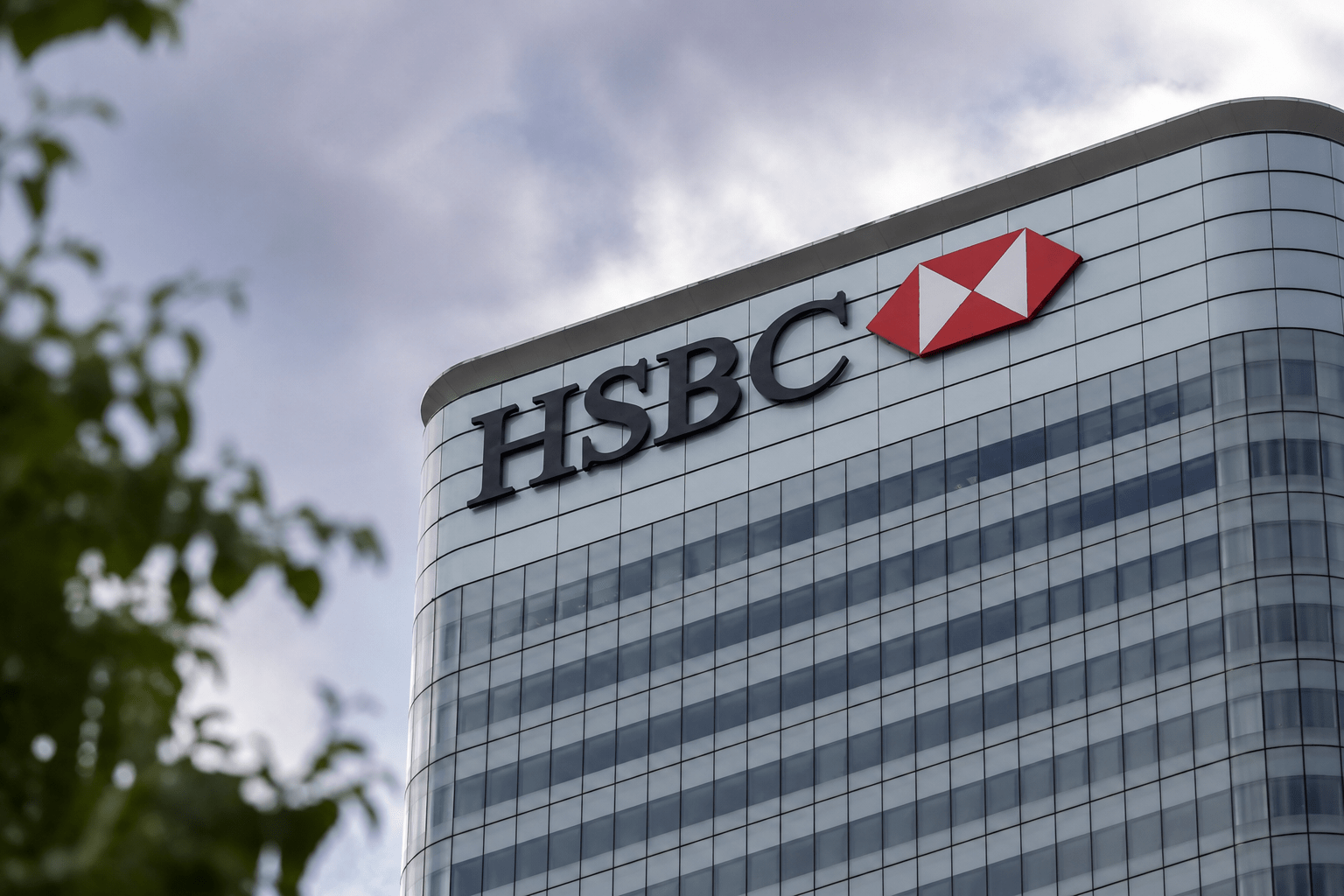
HSBC Holdings shares edged lower in early London trading on Monday after the bank launched a $4 billion credit facility for Chinese clean-technology companies, a growth move that landed as investors continued to weigh recent private-credit losses.
The London-listed stock traded at 1,322.6 pence at 09:02 BST, down 0.1% on the day. The broader FTSE 100 was little changed earlier, up 0.02% at 10,197.01 as of 08:31 BST.
The new facility matters because HSBC is trying to turn its China network into fresh lending growth at a time when clean power, electric vehicles, data centres and artificial intelligence are drawing heavy capital. Transition technologies, meaning tools that help industries move toward lower-carbon energy and production, are also becoming a bigger part of banks’ loan books.
HSBC said the Sustainability and Transition Credit Facility would back mainland Chinese companies expanding overseas in sectors including clean power, data centres, EVs and AI. Natalie Blyth, HSBC’s global head of sustainable finance and transition, said “China is home to some of the world’s most dynamic low-carbon companies” and that such firms need lenders with “global reach.” Reuters
Demand is not the weak part of the story. The International Energy Agency has projected global data-centre electricity consumption will roughly double to about 945 terawatt hours by 2030, driven in part by AI. That helps explain why HSBC is putting credit behind power, data and electrification supply chains rather than a narrower green-loan product.
The share move was still muted. HSBC’s stock remains under a cloud from a surprise $400 million hit tied to the collapse of British mortgage lender Market Financial Solutions, and from wider questions about private credit — loans made by non-bank funds or arranged outside public bond markets.
HSBC Chief Financial Officer Pam Kaur said this month the exposure was to “private credit-related loans” and said the bank did not see anything “comparable” after reviewing high-risk concentrations. KBW analyst Ed Firth called the first-quarter results “lacklustre,” especially against stronger British and European peers. Reuters
That peer context is important. Reuters reported that Citi analysts pointed to HSBC’s wealth revenue growth of 18% lagging Standard Chartered’s 32%, while Barclays also booked a 228 million pound impairment charge related to MFS. Investors are asking whether HSBC’s Asia and wealth story can offset one-off credit surprises.
Late last week, HSBC said it remained committed to private-credit investments after a Financial Times report said the lender had paused a separate $4 billion plan to invest in its own private-credit funds. Regulators have grown more concerned about bank exposure to the $3.5 trillion private-credit industry, Reuters reported.
The bank has also kept some profit support in place. In its first-quarter outlook, HSBC raised its 2026 banking net interest income forecast to about $46 billion from at least $45 billion. Net interest income is what a bank earns on loans minus what it pays on deposits. But it also lifted expected credit-loss guidance, meaning money set aside for loans that may not be repaid, to about 0.45% of average gross loans.
The wider tape was not helping lenders. Global markets were pressured on Monday by higher oil prices and bond yields after fresh Gulf tensions, with Brent crude trading above $111 a barrel in Asian hours. Higher yields can support bank lending margins, but they also raise the risk of slower growth and more bad loans.
The risk is that HSBC’s new clean-tech lending grows faster than market confidence in its controls. A deeper China slowdown, fresh curbs on Chinese clean-tech exports, or another private-credit write-off would shift attention from loan growth to capital discipline and underwriting.
For now, the market reaction says the $4 billion facility is useful, not decisive. HSBC has a growth angle in China’s clean-tech supply chain; the stock still has to work through a credit-risk overhang.