
London, May 18, 2026, 09:02 BST
- Rio Tinto dropped 1.4% in London, trailing the FTSE 100.
- Miners fell after weak China output and retail data hit demand hopes.
- Resource stocks dropped in Australia, with BHP and Fortescue both moving lower.
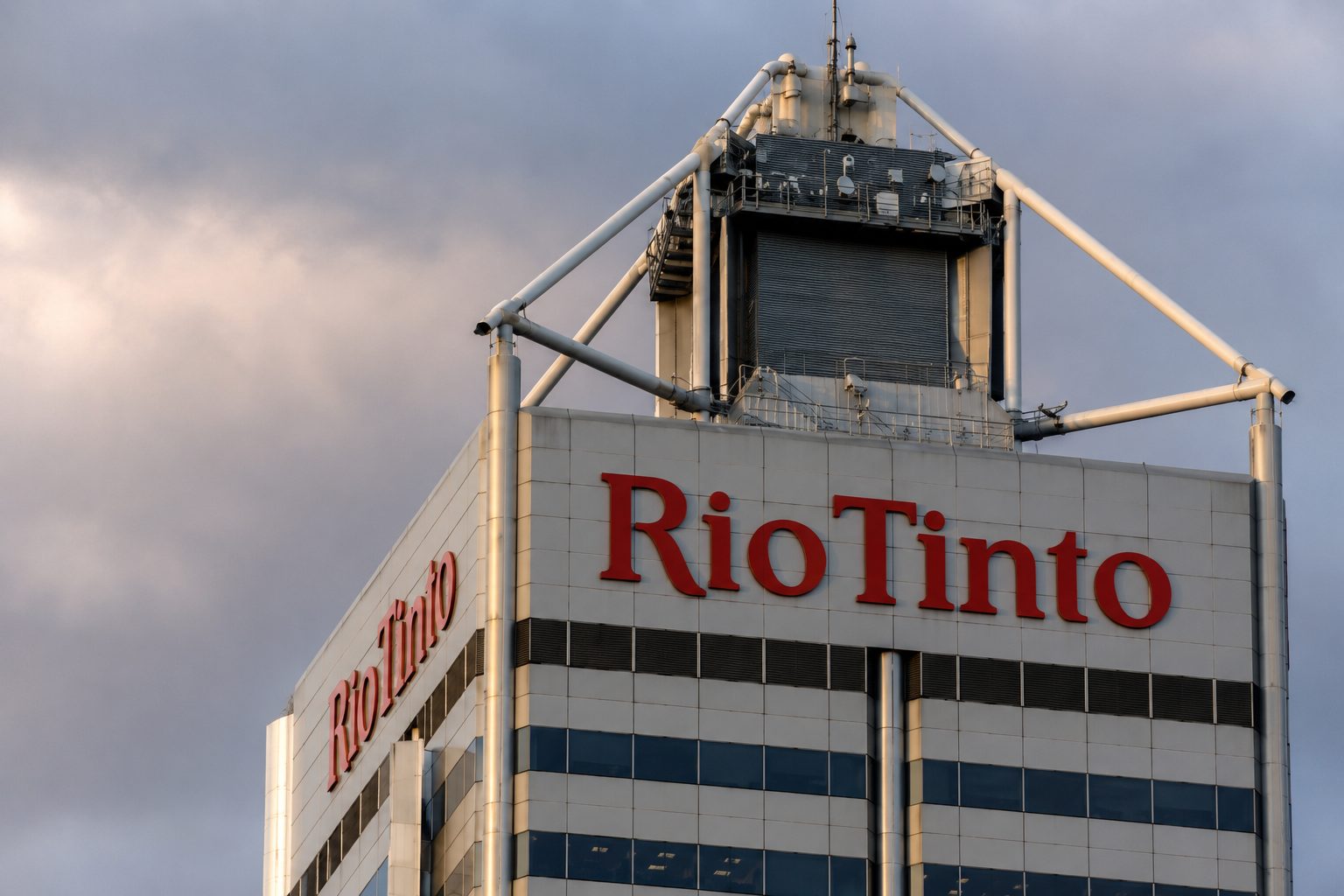
Rio Tinto PLC dropped Monday morning in London, underperforming the FTSE 100 after miners came under pressure on weak Chinese activity numbers and broader risk-off trading. Shares traded at 7,655 pence, off 111 pence, or 1.43%, from an open of 7,698 pence. The FTSE 100 slipped 0.12%, according to Hargreaves Lansdown.
Rio’s timing isn’t great. The miner had been close to its recent highs, with its London-listed stock just under the 52-week high of 8,275 pence from last week, coming off gains driven by strong copper prices and steady iron ore demand. Iron ore is key for steelmaking. Copper goes into power grids, data centres and EVs.
China’s latest numbers hit demand expectations. April industrial output climbed 4.1% versus a year before, down from 5.7% in March and below the 5.9% growth forecast by a Reuters poll. Retail sales barely moved, rising 0.2% compared to projections for 2%. Zhiwei Zhang, president and chief economist at Pinpoint Asset Management, said exporters helped cushion weak domestic demand, “but not enough to fully offset it.” Reuters
Retail data showed “still-weak household demand,” said Yuhan Zhang, principal economist at the Conference Board’s China Center. ING chief China economist Lynn Song said the policy outlook could get tricky with sluggish growth and higher inflation. Song also noted that Beijing so far has shown little urgency for stimulus, but that could shift if the numbers get worse. Reuters
Asian markets dropped as oil climbed. Brent crude was at $111.34, U.S. crude traded at $107.72 after new Gulf attacks. Bond yields rose too. The risk-off tone hit stocks and bonds, and Rio didn’t escape. Citi’s Scott Chronert said more names need to join in for index gains. He also said investors want a clearer sense of where the Iran conflict is headed.
Mining shares in Australia slid, with BHP, Rio Tinto and Fortescue all dropping between 2.2% and 2.8% as the S&P/ASX 200 fell 0.9% to 8,553.20 by 0026 GMT. That’s a two-week low for sector stocks, Reuters said in a report run by Business Recorder.
Rio’s fundamentals look solid, so Monday’s shares move seems tied more to wider macro worries than any new miss from the company. Last month, Rio said Pilbara iron ore sales were up 2% to 72.4 million tonnes for the first quarter, while copper output climbed 9% to 229,000 tonnes. 2026 guidance stays the same. Chief Executive Simon Trott pointed to “operating excellence” as the main driver for the 9% increase in copper-equivalent output, which puts all metals production on a copper-price scale. Rio Tinto
Cost risk hasn’t gone away. In April, Rio said the Middle East conflict’s direct supply side effects were limited. But Baden Moore, head of resources and energy research at CLSA Australia, pointed to jet fuel and diesel shortages as the main risk for the second half, warning those could disrupt equipment, logistics, and staff movement.
The trade could swing fast. Stronger signals from China, a copper bounce or a break in the oil rally would support miners. For now, the risks are to the downside: if Chinese steel stays weak, fuel prices climb and bonds keep selling off, Rio starts to look less like a simple copper growth play and more like a leveraged bet on China and rising commodity prices.