
New York, May 22, 2026, 07:08 EDT
- Hesai’s Nasdaq ADSs were quoted at $20.35 ahead of the bell, off 2.6% from Thursday’s finish. Its Hong Kong shares added 4.8%.
- The company said it got a new order for more than 1 million lidar units from a major European carmaker that it didn’t name.
- Analysts are divided on the stock after earnings. Daiwa raised its target, but Bernstein, SocGen and Citi all cut theirs.
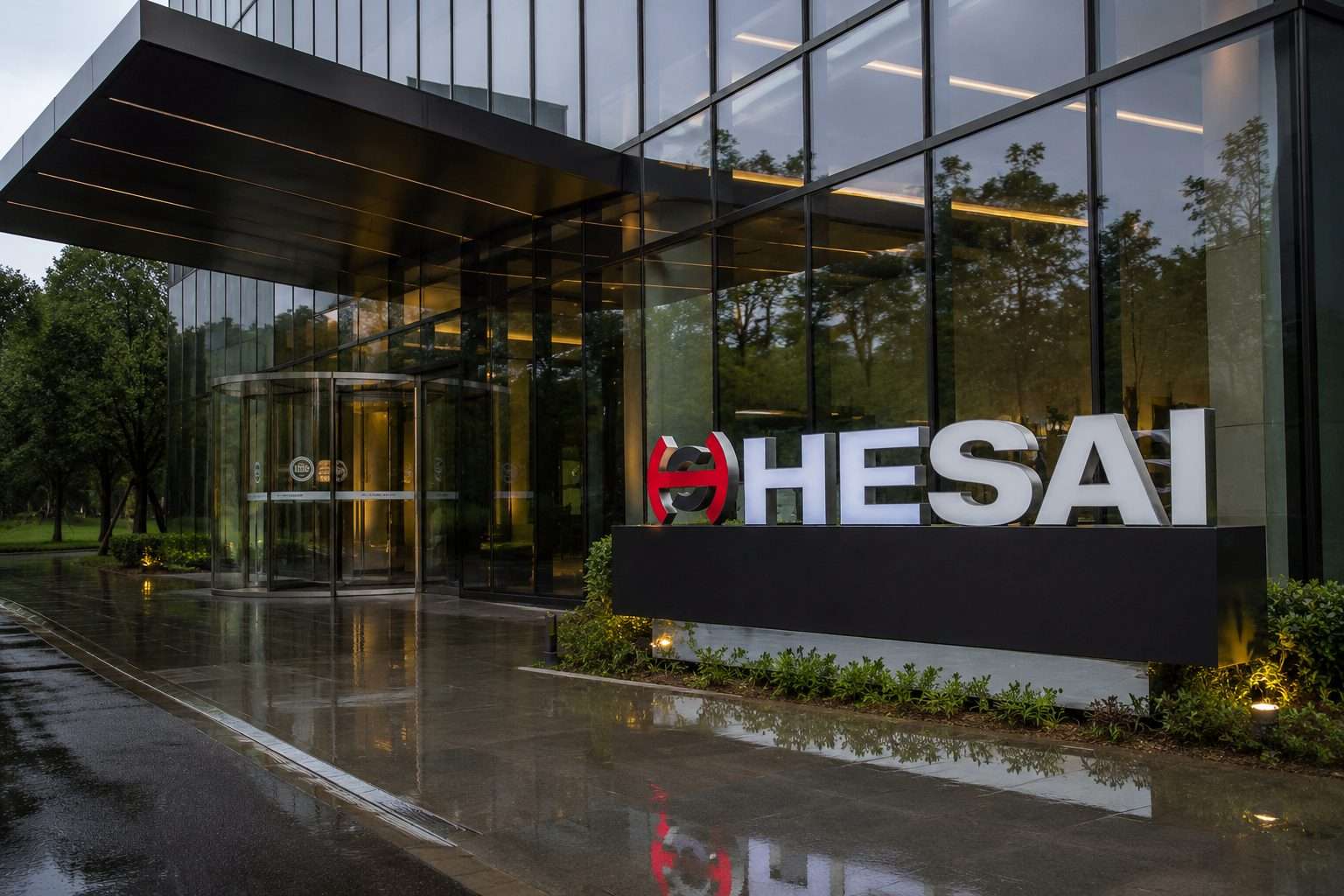
Hesai Group shares looked set for some swings Friday. The Chinese lidar company’s stock in Hong Kong jumped to HK$166.90 on news of a new order from a European automaker, but premarket action in the U.S. pointed down. Hesai’s American depositary shares were seen at $20.35 ahead of the open, down 2.6% from Thursday’s $20.90 close.
Scale is the key factor now. Hesai said its latest design win is for more than 1 million units across over 10 models for China joint ventures with a major European automaker. The company did not name the automaker. Lidar, which uses lasers to map out a 3D view around the car, is a core piece of ADAS—helping vehicles steer, brake, and avoid obstacles.
Hesai said it received the order just days after announcing it will supply lidar for Mercedes-Benz as a strategic partner and confirmed vendor for Level 3 autonomous driving. That deal covers Europe and China, according to Hesai. The company said its Galileo plant in Thailand will support the Mercedes program.
That puts the old question to investors again: can Hesai turn lidar volume into steady profit and not just boost its market share?
Daiwa sounded more positive, raising its U.S. stock target for Hesai to $36 from $34 and sticking with a Buy call. The firm said Hesai is moving beyond single lidar and adding spatial intelligence—a newer push linked to 3D data and physical AI.
Some analysts held back. Bernstein SocGen trimmed its price target for Hesai to $30 from $32, kept an Outperform, and said investors still don’t see enough clarity on the need, value, or total market for Hesai’s new products. Citi also moved its target down to $28.60 from $33 but stayed at Buy, TheFly numbers via StockAnalysis show.
Mixed signals in Hesai’s first quarter: Revenue came in at RMB680.6 million ($98.7 million), up 29.6% year-on-year, while lidar shipments rose 140.9% to 471,723 units. The company posted net income of RMB18.3 million, swinging from a loss a year ago. Gross margin, though, slipped to 39.1% from 41.7%.
Chief Executive Yifan “David” Li told investors lidar is “moving to core infrastructure” for intelligent driving, projecting 2026 shipments could hit 3 million to 3.5 million units. Li also described the Picasso full-color sensor and the Kosmo spatial intelligence device as a move from “spatial perception” to “spatial intelligence.” The Motley Fool
Chief Financial Officer Andrew Fan said there was “broad-based demand across both ADAS and Robotics.” Fan said the core lidar business made about RMB42 million in operating profit for the quarter. Hesai sees its new Strategic Growth Initiatives segment, including Kosmo and physical-AI products, bringing in around RMB100 million in revenue for the year beginning in the second quarter. Hesai Group
The competitive landscape is tightening. Reuters said last month that Hesai rolled out a color-detecting lidar sensor. The report pointed out that Tesla still uses cameras only and Xpeng has dialed back lidar in some new models. Mercedes teamed up with Luminar for lidar, but hasn’t stuck to just one supplier or tech.
But the risk is clear. The new European order didn’t name the customer or give price or delivery details, and Hesai’s margin was already hit last quarter by lower average selling prices. If fresh lidar deals bring in less profit, or Kosmo and other spatial-intelligence products need more time to gain traction, higher shipments might not turn into the earnings investors are looking for now.
Hesai faces its next near-term test in the U.S. session, ahead of a long weekend. The Nasdaq is closed Monday, May 25, for Memorial Day, according to the Nasdaq’s holiday calendar. How the stock trades on Friday and when the exchange reopens Tuesday will show if the new order is enough to address margin pressures and product questions.