
New York, May 29, 2026, 09:12 EDT
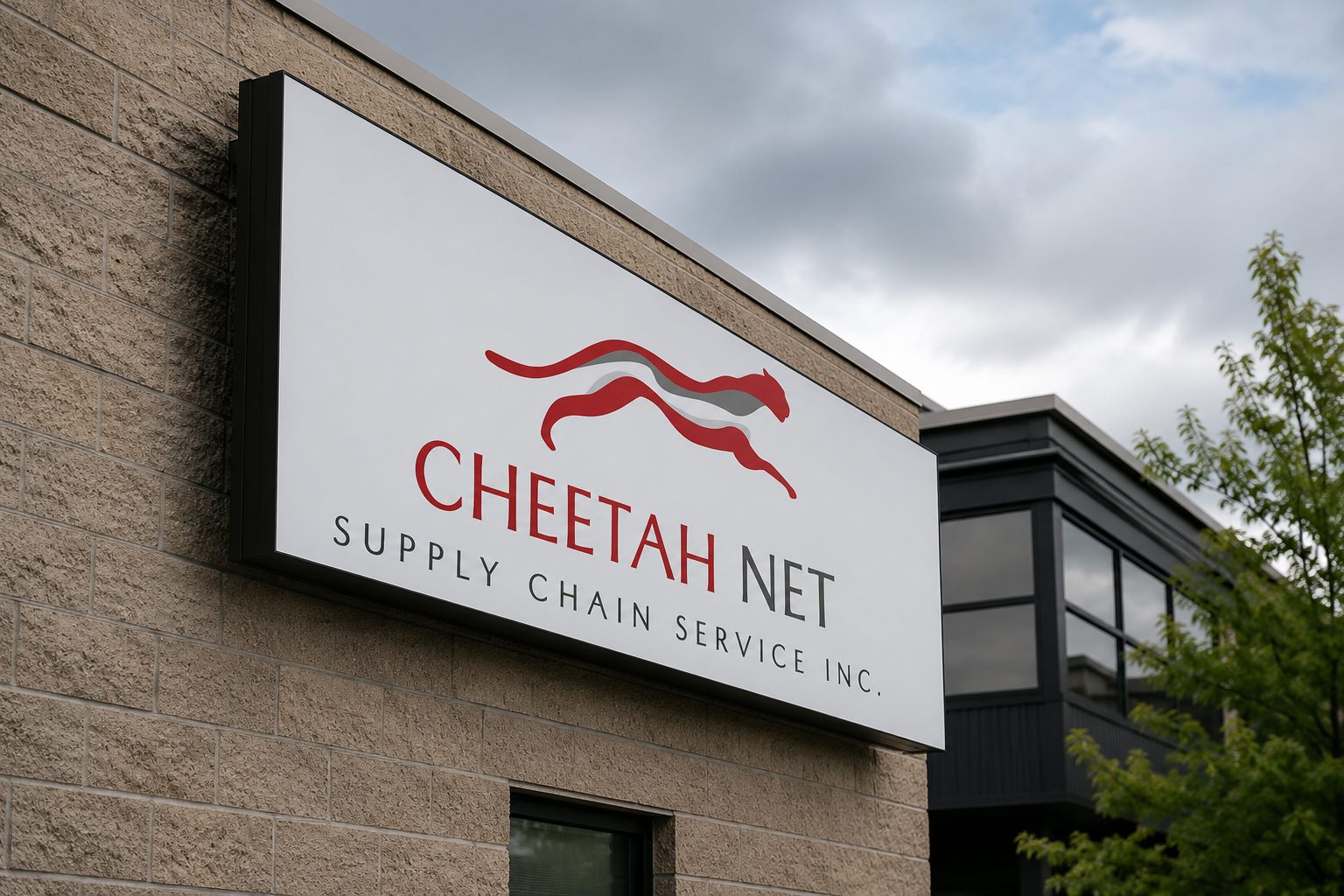
Cheetah Net Supply Chain Service Inc. shares were quoted at $1.61 ahead of Friday’s regular Nasdaq session, down 3 cents from the previous close, as investors kept pressure on the small logistics company after a reverse split, fresh share-sale authority and weak quarterly revenue.
Friday was a normal U.S. equity trading day, not a holiday session. Nasdaq’s 2026 calendar lists Memorial Day on May 25 as closed and the next full closure as Juneteenth on June 19.
Why it matters now: there was no fresh company release in the past 48 hours to explain the move. Cheetah’s investor-relations page still showed its May 14 first-quarter update as the latest company news, leaving traders to price the stock off recent filings, thin liquidity and the company’s restructuring story.
The latest numbers were weak. Cheetah reported first-quarter logistics and warehousing revenue of $92,700, down 80.7% from a year earlier, while its net loss from continuing operations narrowed to $616,265 from $753,909. Tony Liu, chairman and chief executive, said the business faced “uncertainty in global trade,” which weighed on cross-border demand and customer activity. Cheetah Net Supply Chain Services Inc.
The stock is also still digesting a one-for-200 reverse stock split, a share consolidation that reduces the number of shares outstanding and usually lifts the quoted per-share price without changing the underlying business value. A filing showed the split took effect on April 20, with split-adjusted trading expected to begin April 29.
Capital markets activity has added another overhang. Cheetah entered a sales agreement with AC Sunshine Securities under which it may sell up to $100 million of Class A common stock, with $70 million covered by an April prospectus supplement; the company said it was not obligated to sell shares. An at-the-market program, or ATM, lets a company sell stock into the market over time rather than in one fixed offering.
The other piece is the proposed pivot. In April, Cheetah agreed to acquire Super International Trading Limited, a Hong Kong-based industrial equipment trader, for about $4.98 million in cash. The deal was expected to close within three months, subject to due diligence, approvals and other customary conditions; the agreement also set a post-closing annual revenue commitment of at least $10 million for the target.
That makes the stock less of a pure logistics trade and more of a bet on whether management can rebuild the business through acquisitions and financing. In its May update, the company said Edward Transit Express contributed $39,700 of first-quarter revenue and TW & EW Services contributed $53,000, with both units down from a year earlier.
Competitive read-through is limited. Larger logistics peers were mixed in early quotes, with C.H. Robinson down $1.11 at $175.41, Expeditors International down $2.53 at $158.96 and GXO Logistics up 50 cents at $50.76, but those companies trade with much broader operating scale and a different investor base.
But the risk case remains plain. In its quarterly filing, Cheetah cited an operating loss of about $0.6 million and about $2.5 million of cash used in operating activities, and said those factors raised doubts about its ability to continue as a going concern — accounting language for whether a company can keep operating — though management also concluded there was no substantial doubt for at least one year from issuance of the statements.
For now, the market is looking past the ticker tape and toward execution: closing the Hong Kong deal, finding demand in logistics and warehousing, and funding the shift without further eroding holders. The price move is small. The balance sheet and strategy questions are not.