
London, June 6, 2026, 15:04 BST
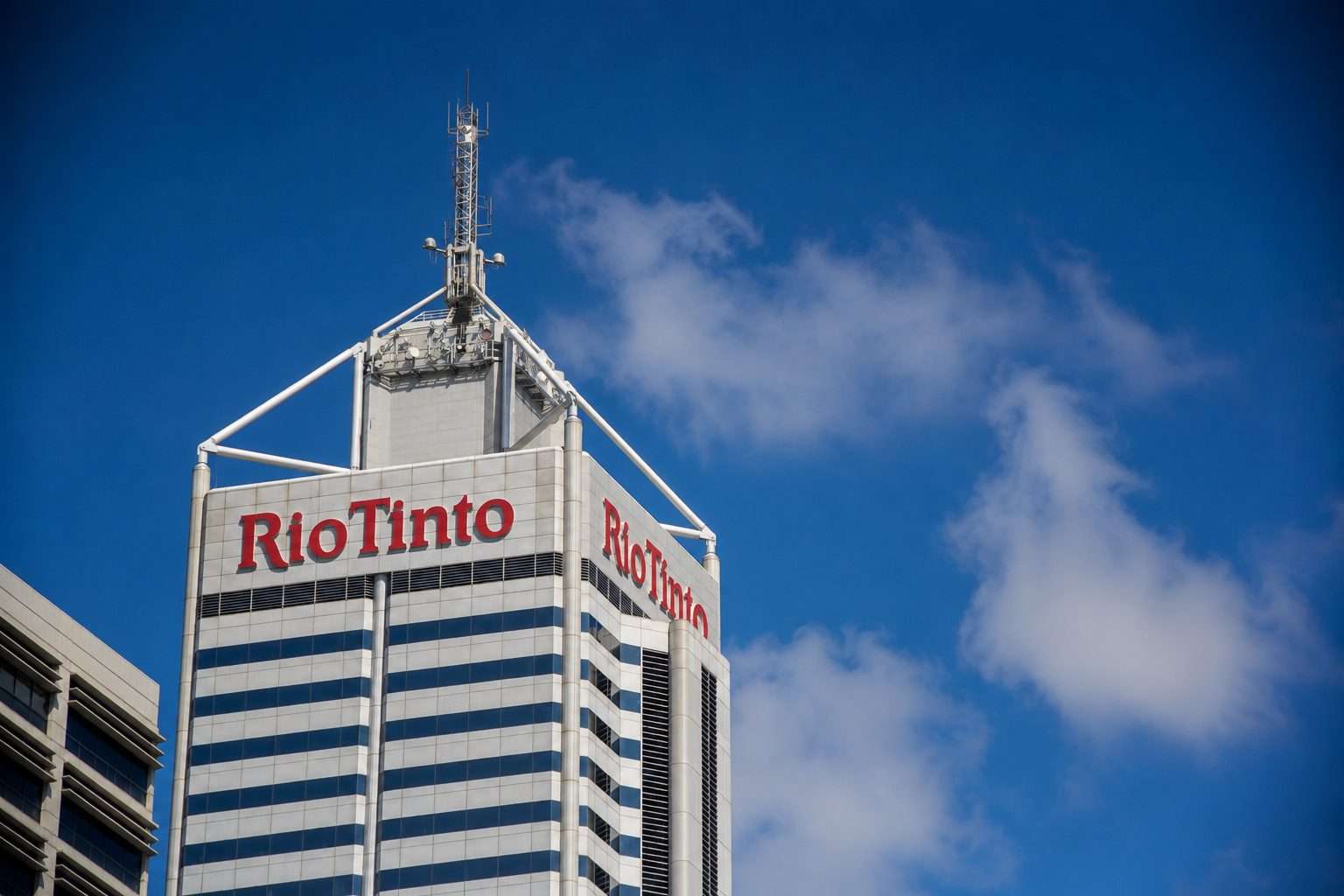
Rio Tinto shares in London dropped 3.10% to end at 7,604 pence on Friday, lagging the FTSE 100, which ticked up just 0.07% to close at 10,368.05. The London Stock Exchange stayed closed on Saturday, so the move set the tone for the weekend without further trading.
That’s in focus with the stock losing its early-week gains quickly. Historical pricing has Rio closing at 7,968p on May 29, then 7,604p by June 5. That’s down around 4.6% for the week, most of it after Tuesday’s 8,308p close.
Mining stocks slid in London Friday, not just Rio Tinto. Glencore dropped 3.5%, Anglo American lost close to 5% as investors pulled back from miners. The wider UK market stayed steady.
Iron ore was the immediate drag, still key for Rio’s earnings. The ASX 200 lost 0.7% on Friday as mining stocks slipped. BHP dropped 2.48%. Rio Tinto’s Australian shares fell 1.86%. Iron ore futures were down for the fourth straight week.
China is still central. The country’s official PMI for factories dropped to 50 in May, down from 50.3 the month before. That keeps it just above the expansion mark. New export orders slipped to 48.6. A separate private PMI read gave a stronger number at 51.8, so investors got a mixed picture on steel demand.
Rio’s own production numbers are holding up. In April, Reuters said the company sold 72.4 million metric tons of iron ore from Pilbara in the first quarter, a gain of 2.4% from the same period last year. Rio kept its Pilbara sales target for 2026 between 323 million and 338 million tons. Mined copper output reached 229,000 tons, up from 210,000 tons, supported by Oyu Tolgoi.
That’s why the stock’s move is trading more like a shift in commodity prices than a Rio-specific event. Investors are cutting Rio’s earnings outlook because of iron ore, but the stock still gets some value from its copper, aluminium, and lithium assets.
Rio Tinto has pitched Pilbara as a steady cash machine for years. Matthew Holcz, the head of Rio Tinto Iron Ore, pointed in May to “shipping 8 billion tonnes of iron ore from the Pilbara” as a mark of its long run, and said Japan is still one of its main customers. Rio Tinto
But the risk is clear enough. If iron ore prices keep falling and China’s steel demand fades going into the northern summer, Rio’s London shares might have a hard time holding Monday’s early gains. Supply-chain costs could also weigh: Baden Moore, head of resources and energy research at CLSA Australia, told Reuters in April that “jet fuel and diesel shortages” were the main operational risk for the second half. Reuters
Week ahead looks straightforward but not without risk. Traders will be watching iron ore to see if it holds steady, checking if London miners recover after dropping Friday, and waiting for any new China demand news to bring buyers back. For now, the key mark is Friday’s 7,604p close.