
London, June 8, 2026, 10:08 BST
- Shell traded 1.02% higher at 3,260.5 pence in London morning hours.
- Brent crude jumped over 4% as new Israel-Iran attacks renewed supply concerns.
- BP moved up, but the broader FTSE 100 slipped.
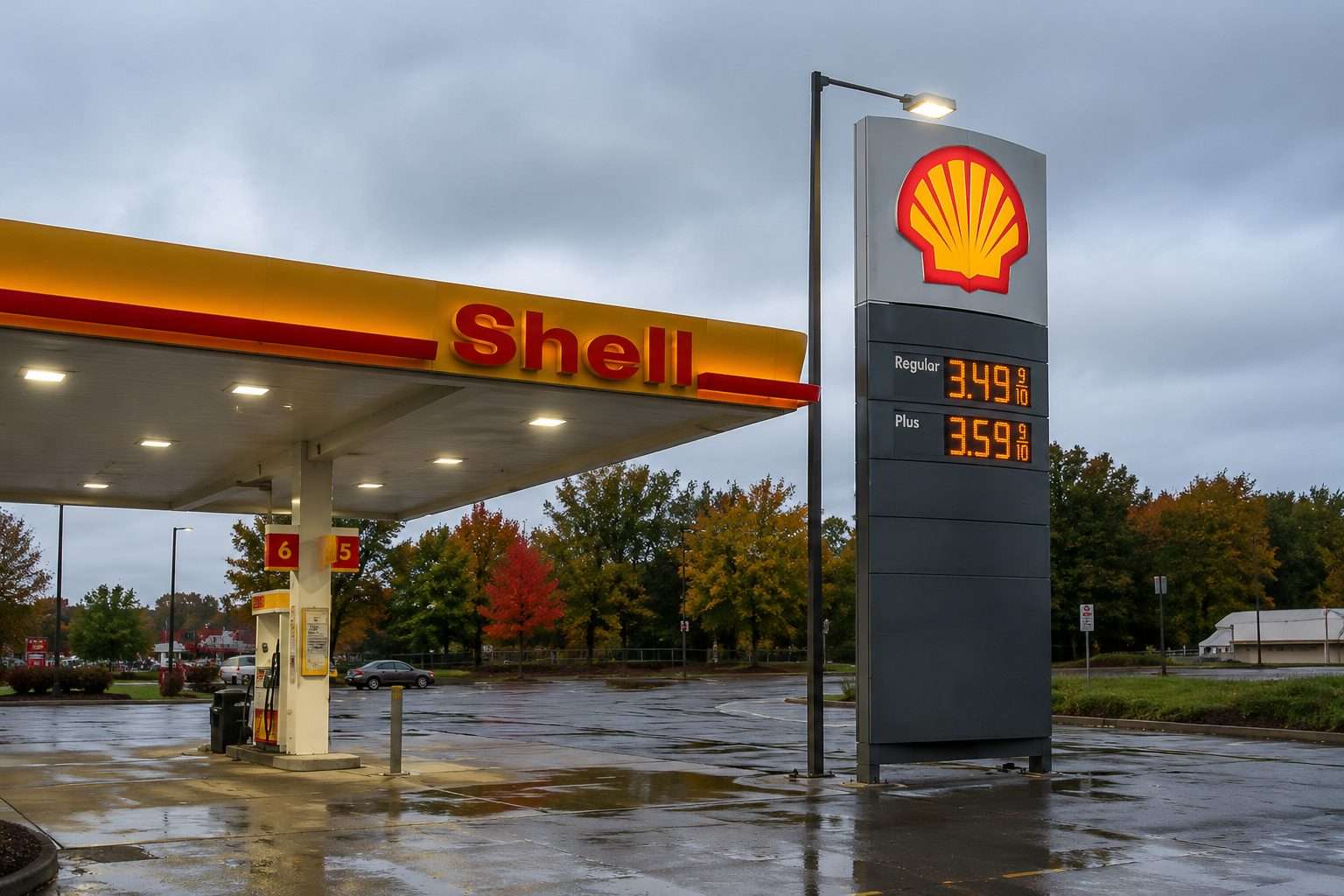
Shell Plc stock gained in London on Monday as crude prices climbed again, sending investors to oil stocks even as the broader market slipped. Shares traded up 1.02% at 3,260.5 pence, with activity near 09:50 BST, according to AJ Bell data.
Oil is the main story again after Brent crude jumped $4.42, or 4.47%, to $97.15 a barrel by 0609 GMT, according to Reuters, following new Israeli strikes on Iran and Lebanon. The Strait of Hormuz stays in focus as a key route for oil and LNG shipments and remains at the center of supply concerns. LNG is produced by cooling gas into a liquid so it can be shipped.
OPEC+ signed off on another production hike, but traders saw the move as minimal help. Jorge Leon, Rystad Energy’s head of geopolitical analysis, wrote in a note that “the physical impact of such a decision would be close to zero,” citing bottlenecks in supply and production. Reuters
Shell traded higher as the FTSE 100 fell 28.89 points, or 0.3%, to 10,339.16 after more strikes. BP was also up, with MarketScreener showing BP ahead 1.22% and Shell up 1.02%, both among the index’s top early gainers.
European markets dropped, with the STOXX 600 falling 0.7% to 618.42. Airlines and other companies tied to fuel got hit as crude climbed. Reuters reported investors were working through losses in AI-related stocks and bracing for higher rates as central banks focus on inflation.
Shell tends to see a lift in near-term cash flow and trading income when oil prices rise, but it’s not always a straight line. In May, Shell posted first-quarter adjusted earnings of $6.92 billion, topping the analyst view of $6.36 billion, and announced a 5% dividend hike. “Confidence we have in the long-term cash flows,” CFO Sinead Gorman said of the dividend increase. Reuters
Shell’s solid oil trading results last quarter matched BP and TotalEnergies, Reuters reported, as the European firms outperformed U.S. competition on price swings. Volatility is in focus for investors again today.
Shell didn’t issue a new release on Monday. Its newsroom last said that second-quarter results and its interim dividend will come out July 30 at 07:00 BST. That’s when investors will see what impact the oil shock has had on earnings, working capital and payouts.
Shell is making a supply move. The company in April said it would buy Canada’s ARC Resources for $16.4 billion, its biggest transaction since BG in 2016. The deal brings in 370,000 barrels of oil equivalent a day. Chief Executive Wael Sawan said Shell was “very comfortable” with the hit to its financial framework. Reuters
The risk isn’t one-sided. If diplomacy takes hold, some of the oil risk premium could come out and push Shell down, like last month when crude pulled back from above $100 and Shell shares dropped with the sector. If the fighting gets worse, higher crude might stop helping earnings and start raising fears about weaker demand, poor clarity on supply, and thin inventories. Reuters columnist Ron Bousso said the oil market’s calm depends on “a host of unknowns.” Reuters
Shell is getting rewarded for oil exposure right now as the market cuts down much of the rest of the board.