
Sydney, June 11, 2026, 08:02 AEST —
- Lynas Rare Earths ended Wednesday at A$16.87, slipping from A$17.28 on Tuesday. The S&P/ASX 200 gained 0.57% to finish at 8,653.30.
- The move followed new reports showing that some critical minerals from China are still hard to get, putting a spotlight back on non-China rare earths supply.
- Lynas hasn’t posted any update since naming an interim CEO on June 4, so traders are watching the succession story, valuation, and how the company handles the June quarter.
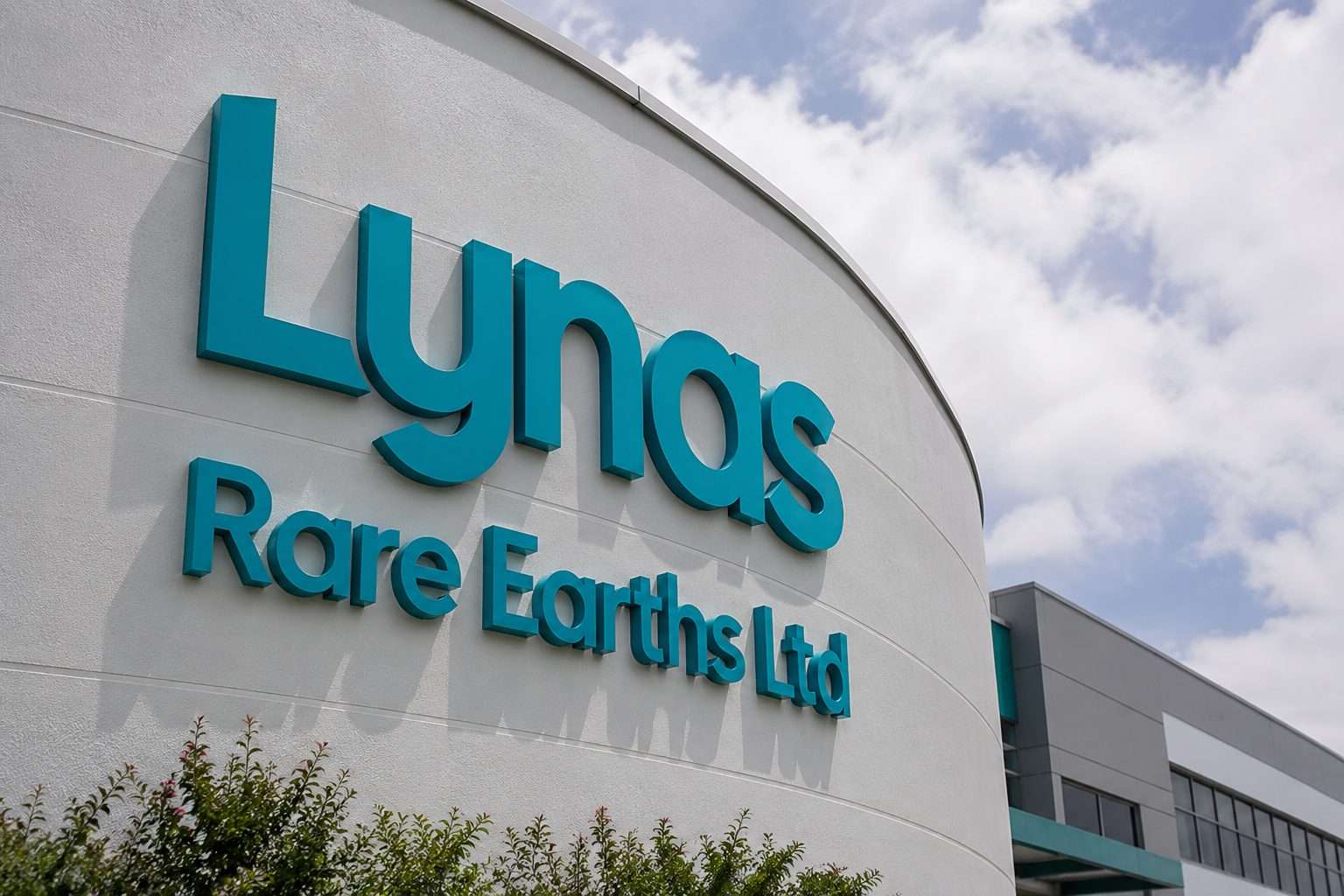
Lynas Rare Earths Limited shares dropped again on Wednesday, settling 2.37% down at A$16.87. The decline came as investors kept selling the ASX-listed critical-minerals name, even after more signs that Western buyers are still having trouble sourcing rare earths from China. Yahoo Finance historical data put Lynas’ open at A$17.00, with a session low of A$16.73 and a close 41 cents under Tuesday’s finish. ASX data also logged LYC at A$16.87.
The weak showing was notable with the broader Australian market higher. The S&P/ASX 200 added 49.10 points to close at 8,653.30 on June 10, market data showed. That left Lynas lagging, even as risk appetite looked steady in Sydney.
Lynas stands to gain when China’s rare earths controls start to hurt, at least in theory. But a U.S. business group told Reuters on Wednesday that some rare earths are still “nearly unobtainable” because of China’s export controls and licensing slowdowns. Of companies hit, 29% have already moved to non-Chinese suppliers, while 47% are still looking for options. Reuters
Lynas leans on its scarcity premium. The rare earth oxides it processes are used in high-performance magnets, with NdPr, or neodymium-praseodymium, key for permanent magnets. In the March-quarter report, Lynas said demand stayed strong and pointed to customers urgently looking for sustainable supply chains outside China.
Lynas shares dropped Wednesday, with investors showing they won’t chase the geopolitical trade at any level. The company’s ASX announcements page still shows its latest update as the June 4 naming of an interim CEO. Before that, the most recent operating news was its March-quarter report. There was no new company filing on June 10 addressing the price move.
Lynas is still dealing with a CEO transition. Chief Operating Officer Pol Le Roux will step in as interim CEO starting July 1, after Amanda Lacaze retires at the end of June. Right now, Le Roux runs Lynas’s operations in Malaysia and Western Australia, and also looks after the supply chain, major projects, health and safety, environment, and research and innovation.
Lynas chair John Humphrey said Le Roux brings “extensive knowledge of Lynas’ operations and the rare earths market,” adding that he’ll “provide continuity” while the company works through its Towards 2030 plan. The board also told investors that an update on the CEO search will come “in due course,” so there’s still no word on a permanent successor.
Lynas’s incoming CEO will be taking over a company showing better operating numbers than the share price might indicate. In the March quarter, Lynas posted gross sales revenue of A$265.0 million, rising from A$123.0 million a year ago. Total rare earth oxide output hit 3,233 tonnes, with NdPr production at 1,996 tonnes. The company finished the quarter holding A$1.07 billion in cash and short-term deposits.
Lynas got a bit of a boost in the March quarter, locking in a 10-year renewal for its Malaysia operating licence and hashing out a new Japan Australia Rare Earths agreement. That deal puts a floor price at US$110/kg on 5,000 tonnes a year of NdPr with firm offtake. The company also pointed to a U.S. government letter of intent that would see about US$96 million used to buy rare earth oxide products from Lynas over four years, with the funds coming from an earlier allocation.
Lynas faces the chance that the trends keeping it strong could flip fast. China could resolve licensing bottlenecks, rare earth prices could fall, or buyers could hold off on new contracts. That would cut the premium non-China suppliers get. In its March-quarter update, Lynas flagged likely price hikes for some materials, though it hadn’t seen real problems yet from the global fuel supply.
That leaves the June quarter results and any CEO search news as the key drivers for LYC’s next step. Investors want proof Lynas can deliver steady output, real cash flow and new deals from the demand for supply outside China, even as the company hasn’t named a permanent boss yet.