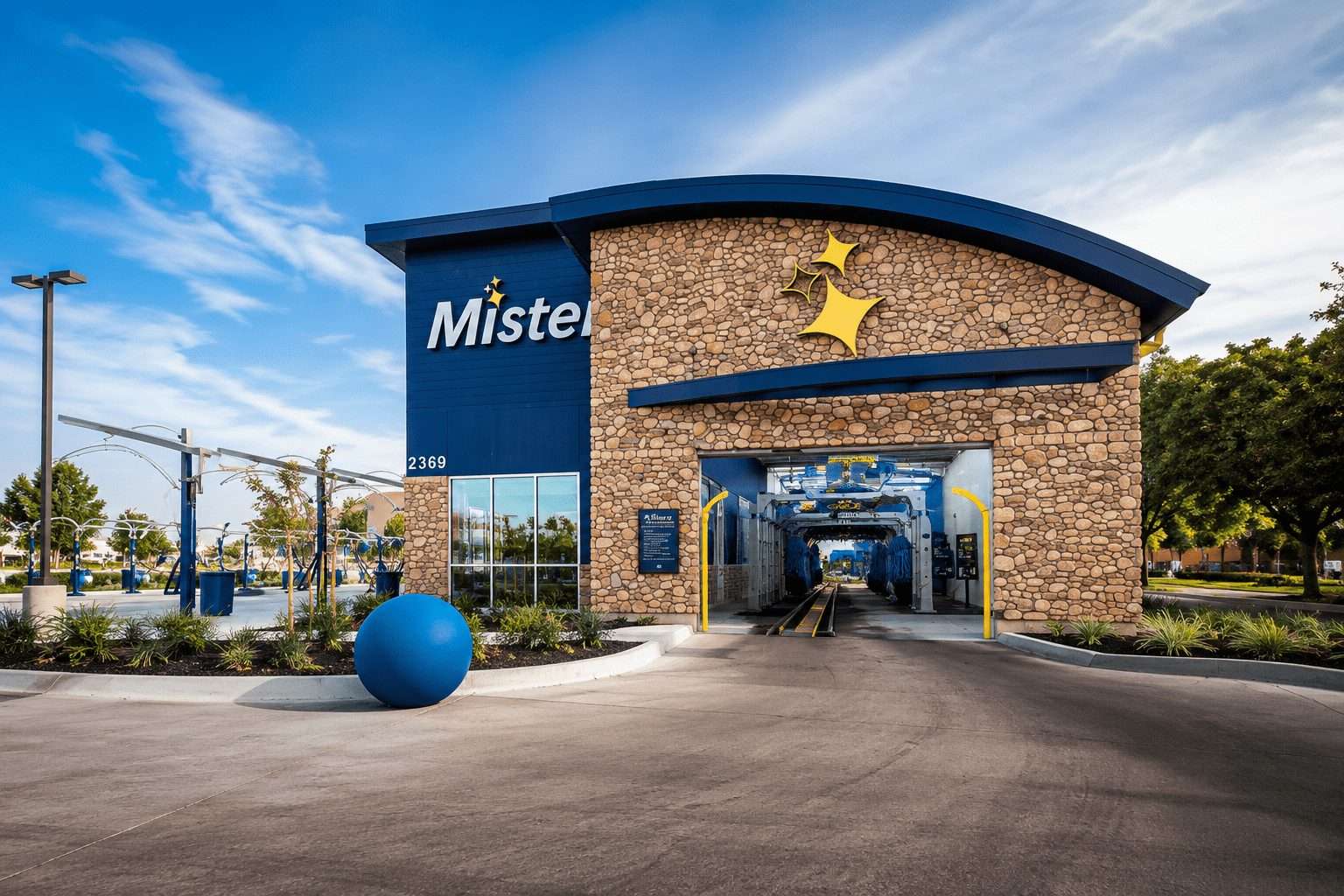

New York, June 12, 2026, 11:35 (ET).
- MCW is now an inactive public ticker after Nasdaq said the merger closed before the market opened on May 19 and listed May 18 as the last trading date.
- Leonard Green & Partners acquired the remaining shares it did not already own for $7.00 per share in cash, ending Mister Car Wash’s run as a Nasdaq-listed company.
- The next thing former shareholders should watch is cash settlement and deregistration, not another earnings-driven stock move.
Mister Car Wash, Inc. stock no longer has a live public-market price for investors to trade. Nasdaq said the company’s last trading date was May 18, 2026, after shareholder approval became effective in April and the merger closed before the market opened on May 19; the exchange listed the merger consideration at $7.00 for each share held. StockAnalysis also marks MCW as inactive, showing a last trade price of $7.10 on May 18 and noting the company was delisted after being taken private.
That matters because any stock screen still showing MCW is now a stale reference point rather than a tradable quote. The company said on May 19 that investment funds managed by Leonard Green & Partners completed the all-cash acquisition, implying a total enterprise value of $3.1 billion. Enterprise value means the value of the equity plus debt and other obligations, net of cash, and is often used to compare takeover prices. John Lai, chairman and CEO, said going private gives Mister Car Wash “greater flexibility to continue investing” in the customer experience. PR Newswire
The stock-price move already happened when the take-private agreement was announced in February. Mister Car Wash said the $7.00 offer represented a 29% premium to the volume-weighted average price, or VWAP, over the 90 days through Feb. 17; VWAP is the average trading price weighted by how many shares changed hands at each price. In normal trading, stocks rise when investors expect higher cash flows, better margins, lower risk or a takeover premium, and they fall when earnings, growth, liquidity or deal certainty deteriorate. For MCW, the takeover premium replaced those usual daily drivers.
The bull case behind the deal was that Mister Car Wash still had a growing subscription-led business before it left the market. In the first quarter, revenue rose 6% to $277.9 million, comparable-store sales increased 3.9%, Unlimited Wash Club members rose 11% to about 2.5 million, and adjusted EBITDA increased 13% to $96.7 million. Adjusted EBITDA means earnings before interest, taxes, depreciation and amortization, adjusted for certain items; investors use it as a rough measure of operating profitability, though it is not the same as net income.
The bear case is that public shareholders are now cashed out and no longer participate in any future upside if Leonard Green improves the business as a private company. The SEC filing says each eligible share was converted into the right to receive $7.00 in cash, while holders ceased to have rights as stockholders other than the merger consideration or, for valid dissenting shares, appraisal rights. The same filing also says the company used a $900 million senior secured first-lien incremental term loan facility to fund merger consideration and transaction costs, making post-buyout leverage a key issue for credit investors.
For public-market investors, MCW does not look attractive or cheap today because there is no active public stock to buy. It is better described as a completed cash-out situation: fairly defined for holders awaiting payment, but risky for anyone relying on outdated quote pages or assuming normal trading will resume. The index angle is also finished; FTSE Russell listed Mister Car Wash as a constituent deletion from the Russell 2000 Equal Weight index effective from the start of trading on May 19.
The next catalyst is administrative rather than operational. Mister Car Wash told the SEC it asked Nasdaq to file Form 25 to delist and deregister the common stock under Section 12(b), and said it intended to file Form 15 to suspend its reporting obligations after Form 25 became effective. Future operating updates may still matter to Leonard Green, lenders and industry watchers, but they will not drive an MCW share price unless the company returns to the public market in the future.