
Sydney, June 13, 2026, 06:03 (AEST).
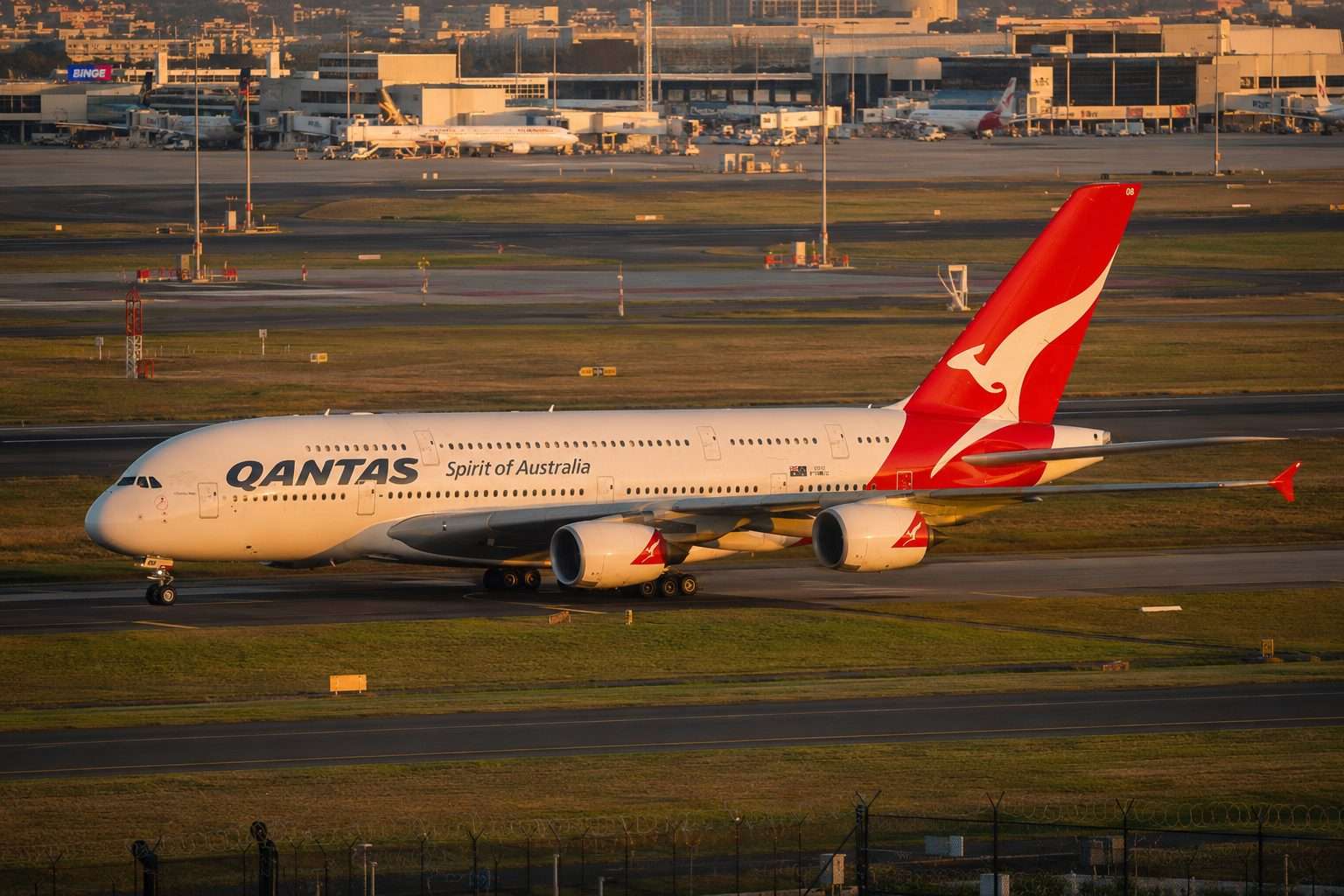
- Qantas Airways shares rose 3.77% to A$9.35 on June 12, helped by a broader ASX rally and falling oil prices.
- A fresh 1.4 million-seat domestic sale points to aggressive competition for leisure travelers.
- The next major catalyst is Qantas’ FY26 preliminary final results on August 27, when investors will look for FY27 guidance.
Qantas Airways Limited shares climbed on June 12 as investors responded to a sharp pullback in oil prices, a key cost driver for airlines. MarketScreener listed Qantas at A$9.35, up 3.77%, with the stock still down 9.92% since January 1, while Australia’s benchmark S&P/ASX 200 rose nearly 2% to 8,804 in a broad risk-on rally.
The move matters because Qantas’ earnings outlook has been closely tied to fuel volatility this year. Reuters reported that Brent crude fell more than 3% on Friday to near two-month lows on hopes of a U.S.-Iran deal, easing concern about supply disruption through the Middle East. Lower fuel prices can support airline margins, though the benefit depends on hedging, ticket pricing and demand.
The stock also drew attention after Qantas launched a large domestic fare sale, offering 1.4 million discounted economy seats across more than 190 routes and nearly 60 destinations, with travel dates from July 22, 2026, to May 23, 2027. The promotion includes 33 routes under A$150 one-way and 59 routes under A$200, according to News.com.au. For shareholders, the sale is a double-edged signal: it can lift forward bookings and cash intake, but it also suggests Qantas is working hard to defend volume as consumers remain price-sensitive.
Another growth angle is Western Sydney International Airport. Reuters reported this week that Jetstar will begin passenger services from the new airport when it opens on October 25, 2026, with up to 14 weekly Melbourne flights, four Gold Coast flights and three Brisbane flights; Qantas services are due to start March 28, 2027, with four weekly flights each to Melbourne and Brisbane. Chief Executive Vanessa Hudson also said the airport would become a “key hub for Qantas Freight,” with more than 850 tonnes expected through the new terminal each week. Reuters
The bull case rests on Qantas’ still-strong earnings base and pricing power. In its 1H26 results, the company reported underlying profit before tax of A$1.46 billion, statutory profit after tax of A$925 million, underlying earnings per share of 68 cents and operating cash flow of A$1.8 billion. Underlying earnings per share means profit attributable to each share after excluding items the company treats as non-recurring or not reflective of core operations.
The bear case is that fuel, capacity and balance-sheet risks have not disappeared. In its April market update, Qantas said second-half international unit revenue, or RASK — revenue per available seat kilometre, a measure of pricing and demand per unit of capacity — was expected to rise 4% to 6%, while domestic RASK was expected to rise about 5%. But the company also said the planned A$150 million on-market buyback had not started, net debt was expected to be at or above the middle of its target range at June 30, and FY27 outlook guidance would come later.
Analyst consensus still leans positive, but not without risk. MarketScreener’s compiled consensus shows 16 analysts with a “Buy” mean rating, an average target price of A$11.07 and an implied 18.42% upside from the A$9.35 last close. That supports the view that Qantas looks selectively attractive after its year-to-date decline, rather than clearly overvalued. The stock remains risky today because the investment case depends on oil prices staying manageable, domestic demand holding up despite discounting, and management giving credible FY27 guidance at the preliminary final results scheduled for August 27. MarketScreener