
Sydney, June 14, 2026, 23:20 (AEST)
- Macquarie Group ended Friday at A$242.44, adding 2.8%. The ASX stock is trading near its 52-week high.
- Australian stocks had their best day in two months as traders eased back on rate-hike worries.
- Next up is the Reserve Bank of Australia’s policy call on June 16. Most economists see the central bank holding its cash rate steady at 4.35%, according to .
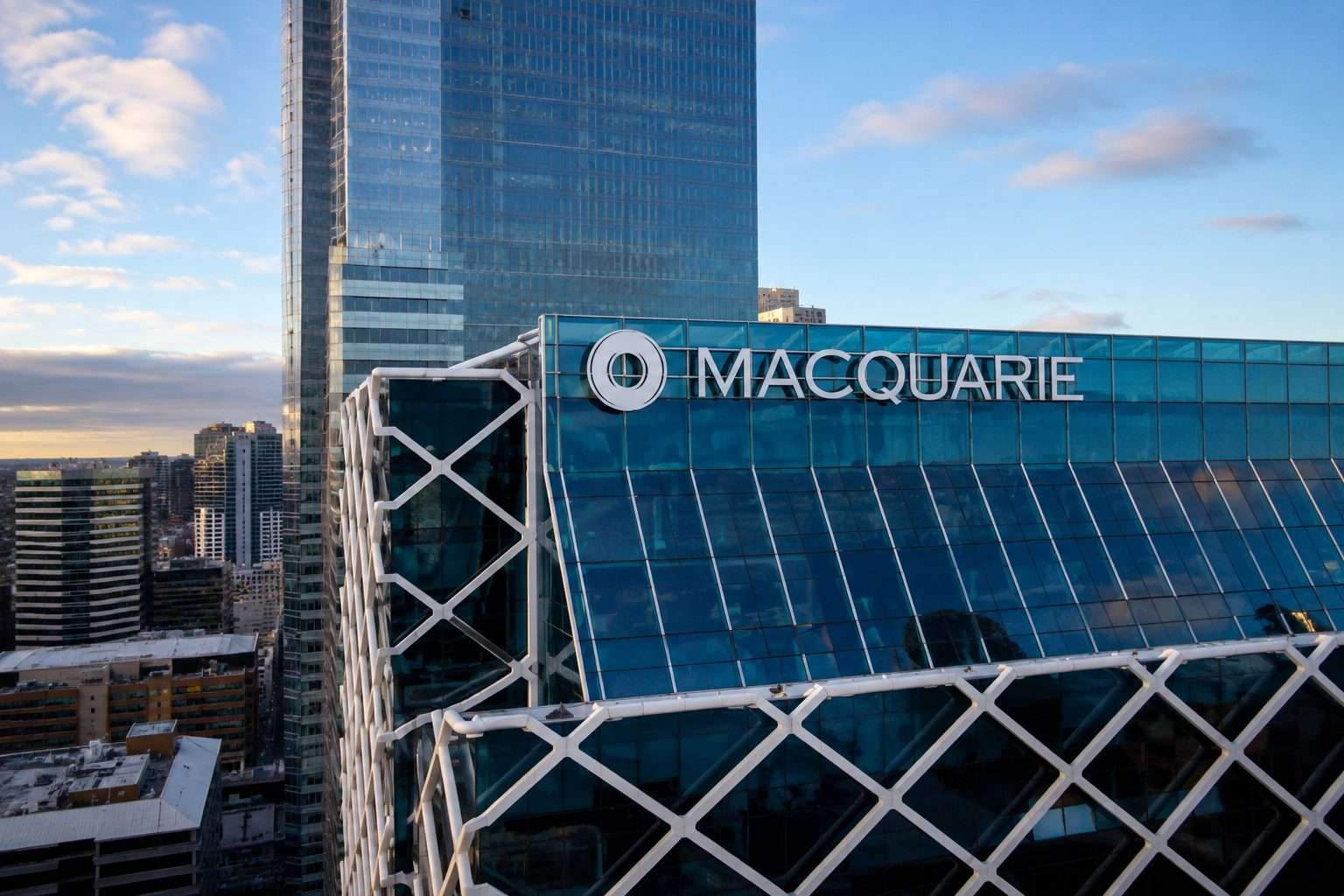
Macquarie Group Ltd. ended Friday up 2.8% at A$242.44, climbing A$6.60 as the stock joined a wider rally in Australian shares. Investors bought back in, sending the S&P/ASX 200 about 2% higher for its strongest session since April. Macquarie now trades just below its recent highs.
Macquarie isn’t a straightforward bank stock and the latest move shows why. Its earnings link to everything from retail banking to asset management and commodities trading, plus infrastructure and private credit. So, relief over rates feeds into different parts of the valuation: funding, sentiment, asset sales and appetite for financials. Reuters said banks gained in Friday’s rally. IG’s Tony Sycamore put the market strength down to “a continued run of softer domestic data” that lowered bets on another rate hike. Indo Premier
Reserve Bank of Australia watchers are looking ahead to Tuesday, June 16, when the central bank delivers its next decision. According to a Reuters poll, 42 out of 45 economists expect the RBA to hold the cash rate steady at 4.35%, where it sits after three hikes this year. Australia’s GDP eased in the first quarter, and unemployment edged up to 4.5% in April. Macquarie reckons a pause might support financials, but says a hawkish tone could weigh on valuations by keeping rates high, which can dent credit demand, slow dealmaking and lower the present value of future earnings.
Bulls still have something to point to on company fundamentals. Macquarie booked FY26 net profit of A$4.85 billion, a 30% increase, with earnings per share at A$12.77. Return on equity hit 14%. The final ordinary dividend comes in at A$4.20 per share, bringing the full-year payout to A$7.00. Return on equity tracks profit from shareholder funds. The dividend is franked, giving Australian tax credits to those who qualify.
Macquarie’s earnings split showed gains across divisions. Macquarie Asset Management’s net profit contribution jumped 27%. Banking and Financial Services added 17%. Commodities and Global Markets was up 49%, and Macquarie Capital climbed 43% for FY26. Bulls point to these numbers as support: with steady markets, earnings growth could stick around on asset sales, private credit income, hedging, and infrastructure deal flow.
Valuation and swings in the stock are the main questions for bears. Shares at A$242.44 mean Macquarie changes hands at around 19 times FY26 EPS. That price-to-earnings ratio isn’t low for a company that points to risk from markets, inflation, rates, geopolitics, FX, tax and rules. Macquarie said its Banking and Financial Services segment saw some pressure from thinner margins as competition and its loan mix bit, saying rate cycles can work both ways.
Analysts’ targets hint the stock isn’t looking too cheap after the rally. MarketScreener lists a mean “outperform” call from 13 analysts, but the average price target sits at A$250.14, just 3.18% above the last close. Targets range from a low of A$205 to a high of A$271. That gives some upside if an RBA pause boosts confidence, but shows only modest consensus upside from here. MarketScreener
Macquarie isn’t pricing as a bargain now. Investors are getting quality growth at about fair value, with shares near records after a strong FY26 result and a lift in sentiment. Where the stock goes next comes down to the RBA’s tone, global risk mood, and whether Macquarie can keep turning its broad platform into earnings gains—so long as commodities, fees and market activity don’t take a hit.