
London, July 1, 2026, 14:01 BST
- The Ofgem price cap for households in July went up 13%. Gas unit rates jumped 27.7%, while electricity was up 5.8%.
- Gas makes up roughly 82% of the increase in the old benchmark bill, and around 81% under Ofgem’s updated lower-use benchmark, both based on Ofgem’s published rates.
- Cornwall Insight is forecasting the October price cap just 0.5% under July’s level. The firm says households will feel the hit more in October with heating costs back.
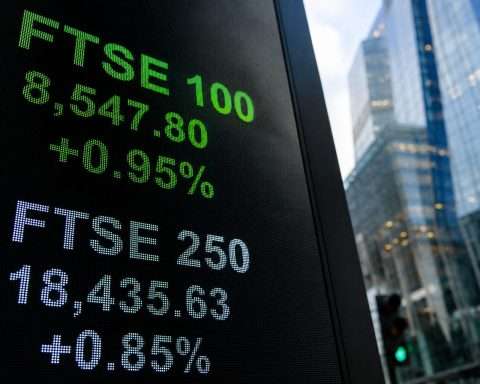
- London stocks changed hands at the dateline. Regular trading on the LSE is from 0800 to 1630 BST.
UK household energy bills are climbing in July, pushed up mainly by gas. Unit rates for gas under Ofgem’s cap jumped 27.7% from Wednesday. That’s much sharper than the 5.8% rise for electricity.
Centrica (LON:CNA), which owns British Gas, and Iberdrola BME:IBE, parent of ScottishPower, both have more room to charge higher prices if the cap rises. But a higher cap could mean more customers fall behind on bills or push up bad debts and the chance of new tariff rules. Centrica owns British Gas. ScottishPower is under Iberdrola.
Ofgem raised the default tariff cap for a dual-fuel household paying by direct debit to £1,862 a year for July through September, up from £1,641. With the regulator’s new lower-use benchmark, the cap is set at £1,663. About 33 million domestic standard variable tariff accounts will see the change, while some 21 million fixed-tariff customers won’t. Tim Jarvis, CEO of Ofgem, said the move is due to “continued volatility in global energy markets.” Ofgem
Ofgem’s payment table shows the spread between tariff types. The old baseline is 2,700 kWh of electricity and 11,500 kWh of gas. The updated one is 2,500 kWh and 9,500 kWh.
| Cap measure | Apr-Jun 2026, old benchmark | Jul-Sep 2026, old benchmark | Jul-Sep 2026, new benchmark |
|---|---|---|---|
| Direct debit | £1,641 | £1,862 | £1,663 |
| Standard credit | £1,772 | £2,005 | £1,796 |
| Prepayment meter | £1,597 | £1,812 | £1,620 |
| Economy 7, direct debit | £1,108 | £1,161 | £1,039 |
Investors will find the unit rate figures matter more than the headline cap here. Standing charges didn’t really change. The main rate move is happening in gas.
| Unit-rate driver | Apr-Jun rate | Jul-Sep rate | Rate rise | Annual bill effect, old benchmark | Annual bill effect, new benchmark |
|---|---|---|---|---|---|
| Electricity | 24.67p/kWh | 26.11p/kWh | 5.8% | £38.88 | £36.00 |
| Gas | 5.74p/kWh | 7.33p/kWh | 27.7% | £182.85 | £151.05 |
| Gas share of unit-rate rise | — | — | — | 82% | 81% |
Ofgem cost data shows similar moves. The wholesale allowance jumped 28%, now at 45% of the cap compared to 40%. Gas wholesale is up 50%, while the electricity figure rose 9%.
Cornwall Insight’s latest forecast, out June 30, points to little change for winter. The firm puts the October-December cap at £1,849 using the old measure, or £1,654 under the new one, down just 0.5% from July. Dr Craig Lowrey, principal consultant, said the Iran ceasefire offered some market relief but called it a “pause, not a resolution.” He added, “October bills always hit harder” as heating returns. Cornwall Insight
The impact isn’t just on utilities. Fuel poverty groups said 13.5 million UK households are now set to pay over 10% of their income on energy—up from 11.3 million back in April. About 5.5 million will spend around 20%. “That’s an unsustainable share of their income,” Simon Francis at the End Fuel Poverty Coalition said. The Guardian
Supplier balance sheets are feeling the strain. Andrew Ward, head of ScottishPower’s retail business, told the Financial Times unpaid household energy debt is “totally out of control” and backed a plan to package about £1.6 billion in unpayable debt from poorer households for sale to banks. According to the FT, household energy debt is expected to reach £4.8 billion in early 2026, rising from £1.1 billion in 2018, and bad debt is adding around £55 a year to bills under Ofgem’s current rules. Financial Times
Billing depends on meter data now. Some 5.3 million homes on regular tariffs but without smart meters were told to send in meter readings to avoid getting charged July’s higher rates for June usage. Ben Gallizzi at Uswitch said meter readings help suppliers get an “accurate view of their account.” The Guardian
Policy risk remains. The government cut some policy costs from bills and widened the Warm Home Discount to cover 6 million households. Energy minister Martin McCluskey said families are “deeply concerned” about the July price hike. Ofgem will set the October-December cap by Aug. 26. The Guardian