
SYDNEY, June 17, 2026, 06:23 AEST
- Qantas ended Tuesday at A$9.96, up 0.2%. Shares touched A$10.10 earlier in the session.
- Travel stocks rallied Monday as oil prices dropped, but ASX filings up to June 17 showed Qantas made no new announcement.
- Fuel prices, RBA policy risk, and Qantas’ FY26 results set for Aug. 27 are the next key hurdles.
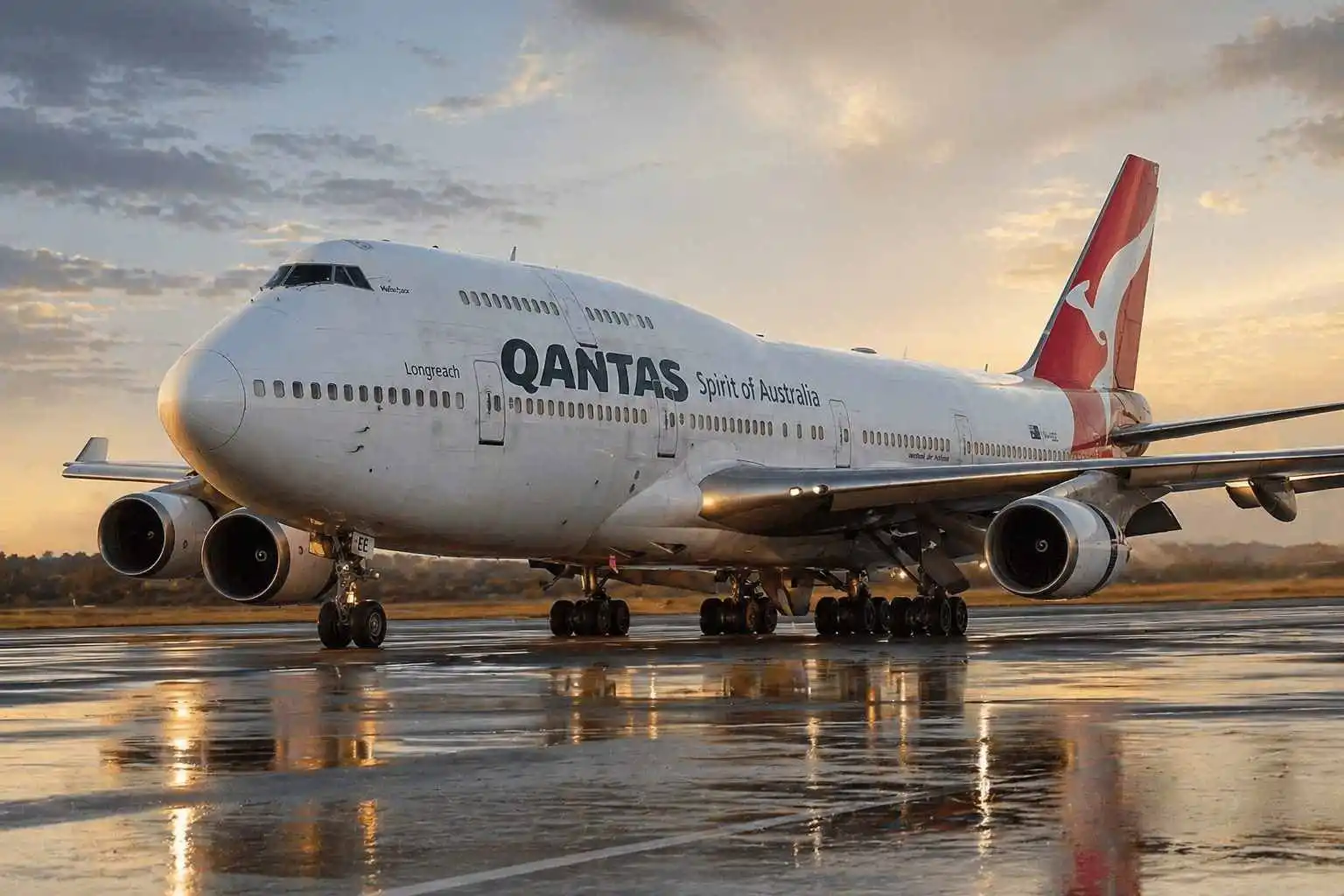
Qantas Airways shares look ready to open close to A$10 on Wednesday. The stock ended Tuesday at A$9.96, up 0.2%, giving up little of the fuel-relief rally seen in the last session. Qantas traded in a range from A$9.85 to A$10.10 on turnover of 7.0 million shares, according to investor data.
No fresh company filing is in play. ASX data lists no Qantas notices posted from June 11 to June 17, so the stock was left moving on oil, rates talk, and how travel names performed.
Fuel costs are moving the needle for Qantas’s earnings forecast right now. The airline said in April that jet fuel prices had more than doubled versus its earlier outlook, so it now sees second-half FY26 fuel costs between A$3.1 billion and A$3.3 billion. Jet refining margins — the gap between crude and jet fuel — jumped too. Qantas noted it is still mostly exposed to those margins, even though around 90% of its crude-oil is hedged.
ASX 200 holds flat as RBA keeps rates steady. The S&P/ASX 200 ticked higher by 3.7 points to 8,917.70 on Tuesday after the Reserve Bank of Australia left its cash rate unchanged at 4.35%. The RBA said it might raise rates again if inflation doesn’t slow down.
Travel stocks rallied the day before as falling oil prices gave the sector a boost. On Monday, Qantas climbed 6.3%, Virgin Australia jumped nearly 13% and Flight Centre added 7.3%, with investors betting on lower fuel bills, ABC News reported.
Airlines are still facing tough rate conditions. The RBA warned that global oil supply problems may take a while to clear up and said inflation might stay higher while economic activity could be weaker than forecast, Reuters reported. Deloitte Access Economics partner Stephen Smith told Reuters the Iran deal won’t calm markets until it’s actually signed, rolled out, and fuel prices respond.
But the risk for Qantas is a reversal in the fuel trade. If oil supply stays tight, margins for refiners stay high, or the Middle East peace process breaks down, Qantas could see its own margins squeezed again. This could happen even after it raises fares and reduces schedules. A tougher RBA line would pile on more pressure by hitting household spending, cutting into discretionary travel.
Qantas wraps its financial year on June 30 and will deliver its preliminary FY26 results on Aug. 27. Investors want to see how far higher fuel costs were balanced by fares, hedging or demand, and if Qantas offers more guidance for FY27.
Qantas and Jetstar are looking to Western Sydney International Airport for their next phase of growth, but that wasn’t the stock’s catalyst this week. Jetstar will run passenger flights from the airport’s opening on Oct. 25, while Qantas is lined up to start in March next year. CEO Vanessa Hudson said the site is set to become “a key hub for Qantas Freight” and expects the terminal to handle more than 850 tonnes a week. Reuters