
London, June 20, 2026, 15:03 BST
- Barclays finished Friday at 496.45 pence, off 0.83% for the session, but up 5.0% over the past week.
- The move was opposite to the FTSE 100, which slipped 1% for the week. That’s the index’s worst week in a month and a half.
- The Bank of England left its main rate at 3.75%, with seven officials supporting the move and two voting for a hike to 4%.
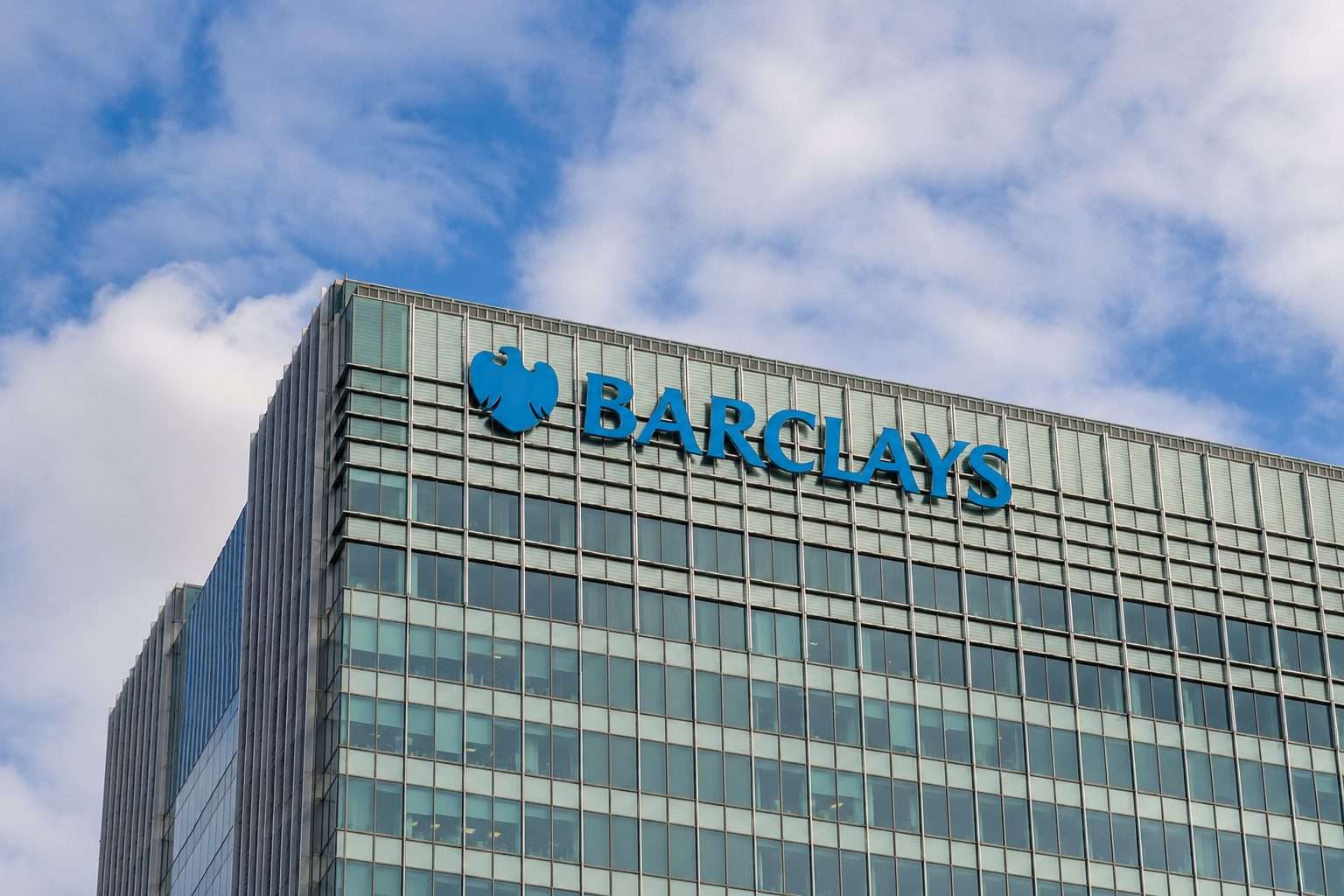
Barclays PLC finished the week near £5, beating the wider London market. The London Stock Exchange is closed Saturday, so Friday’s last close at 496.45 pence stands as the current price.
The shares moved higher in the week’s first three days, starting at 479.90 pence Monday and reaching 503.50 pence by Wednesday. The stock slipped back Thursday and Friday but ended the week nearly 5% above last week’s close at 472.85 pence.
Banks in Europe rose 1.9% on Wednesday, tracking better risk sentiment from weaker oil and talk of a U.S.-Iran deal. Barclays’ shares moved up with the sector, not on any new company news.
The Bank of England held its main rate at 3.75% on Thursday. Luke Bartholomew, deputy chief economist at Aberdeen, said “the conditions don’t seem in place for sustained inflationary pressure,” which could mean the bank stays on hold for now. Reuters
Banks can benefit from higher rates, but the risk is that funding costs go up and some borrowers struggle. Barclays slipped 0.83% Friday, trading close to Lloyds Banking Group, off 0.90%, and NatWest Group, down 0.53%.
By Friday, the market tone had turned more negative. UK public borrowing topped forecasts, government-bond yields climbed, and political jitters came back. Investors were also reacting to the scrapped U.S.-Iran talks, which lifted oil prices. These issues weren’t unique to Barclays, but interest-rate and credit-risk moves can hit bank valuations fast.
Barclays says its pitch to long-term investors depends on its pledge to hand more than £15 billion back to shareholders from 2026 to 2028. The bank is aiming for a return on tangible equity of above 14% by 2028. The investment bank and U.S. consumer unit are at the core of those plans.
Barclays’ Q1 numbers were mixed. Pretax profit edged up to £2.8 billion from £2.7 billion, but investors were unhappy after the bank took a £228 million provision related to the collapse of Market Financial Solutions and set a £500 million buyback that fell short of forecasts. CEO C.S. Venkatakrishnan commented on competition with U.S. banks: “The further apart it goes, the greater the competitive friction we’re going to have to overcome.” Reuters
Investors may be counting too much on the current rate plateau. A new surge in energy prices could push for tighter policy and hit borrowers. On the other hand, if disinflation speeds up and the Bank of England cuts rates, lending margins could get squeezed. More losses tied to private credit or tricky corporate bets would cast doubt on how much capital Barclays can give back.
Barclays doesn’t report again until July 28, so no results are on tap next week. Shares now trade off oil prices, UK government bond yields, politics, and rate expectations in the UK and U.S. The strong run this week puts the focus back on those macro drivers rather than any company updates.