
LONDON, June 20, 2026, 15:05 BST
- NatWest ended Friday at 637.8 pence, slipping 0.53% for the session but finishing the week up 3.8%.
- FTSE 100 dropped roughly 1% this week. Bank of England kept Bank Rate steady at 3.75%.
- Iran said Saturday it closed the Strait of Hormuz, but the United States said it saw no sign the waterway was blocked.
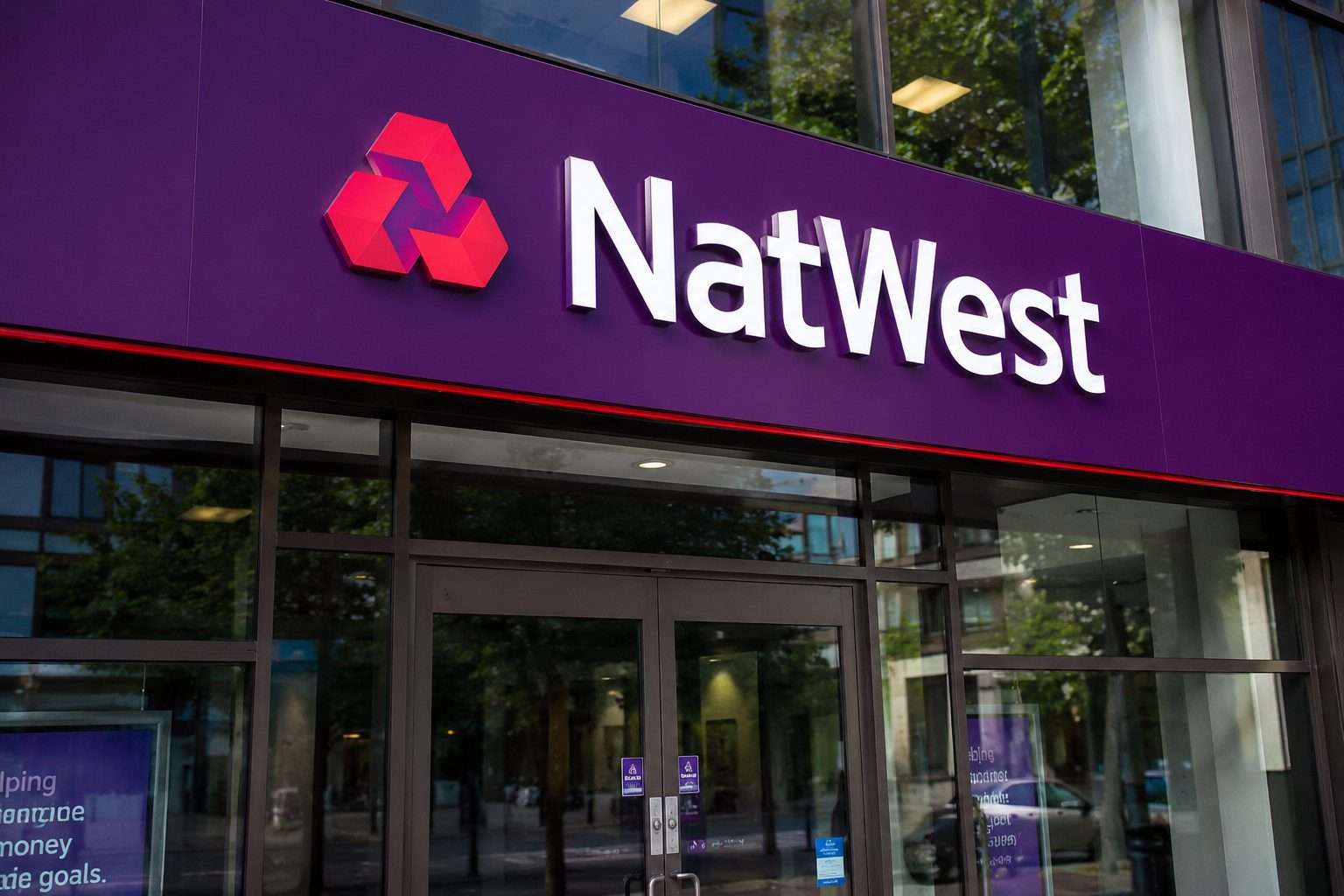
NatWest Group shares finished the week at 637.8 pence, a gain of 3.8% from the June 12 close at 614.2 pence. The stock slipped 0.53% on Friday. The London Stock Exchange was closed Saturday.
That’s counted as a win for now. NatWest, which focuses on UK retail, commercial and private banking, kept most of the gains it picked up after last weekend even as risk appetite across the market faded. Traders are watching for the next test, which could hit before London opens again: Iran’s military said on Saturday that the Strait of Hormuz was closed due to alleged ceasefire violations.
BOE holds rates at 3.75%, split vote sees two push for hike The Bank of England held rates steady at 3.75% after a 7-2 vote Thursday, as Megan Greene and Chief Economist Huw Pill backed a move to 4%. “Playing for time rather than going on the attack,” said George Brown, senior economist at Schroders. Reuters
NatWest faces a mixed outlook with current rates. Higher-for-longer rates boost net interest margin, but that works only if the bank can keep deposit competition and bad-debt costs in check. The bank came into this spot strong, posting £1.4 billion in attributable profit and 17.9 pence earnings per share for Q1. It announced a £750 million buyback for 2026 back in February.
FTSE 100 drops 1% in rough week for UK as politics, borrowing weigh The UK had a tougher week, with the FTSE 100 down 1% as Middle East tensions and politics hit market mood. Public borrowing for May hit £23.3 billion, more than economists predicted, pushing up government bond yields. Neil Wilson at Saxo UK said investors are worrying about a possible shift to a more “market-unfriendly approach” on borrowing and tax. Reuters
Barclays rose 5.0% for the week ended June 19, while Lloyds Banking Group added 2.7%. NatWest was up 3.8% in the same period, right between the two. The broad move points to a sector-wide rates trade, not just a rebound in NatWest.
NatWest CEO Paul Thwaite said the bank is looking at both tech and staffing again. At a business summit, Thwaite told the audience: “In effect there will be roles that currently exist that absolutely to all intents and purposes [will be] delivered by AI.” He did not say the overall employee count at NatWest will fall. Investors see automation as a possible way to cut costs, but it’s not clear yet if it will have a direct impact on earnings. Finextra Research
Group CIO Scott Marcar sold 251,868 shares of NatWest at £6.3449 apiece last Friday, according to a regulatory filing, bringing in around £1.6 million. The filing didn’t state why Marcar sold. There’s nothing in the notice to suggest a shift in management’s stance on the bank.
But the key risk now is outside the company. If Hormuz stays closed for some time, oil and gas prices could jump, UK inflation expectations could rise and gilt yields could go up. That might support lenders’ yields for a while, but it would hurt households and firms and could raise impairments—loan loss provisions. As of Saturday afternoon, Washington had not confirmed Iran’s announcement.
Traders are set to keep an eye on energy markets and Bank of England policymaker Alan Taylor’s speech on Tuesday for any fresh signals in the rate outlook. NatWest is not slated to release a trading update next week, with half-year numbers coming July 31.