
London, June 24, 2026, 09:48 BST
- Unilever was last seen at 4,392.5p in London, under the £44.54 it closed at on Tuesday.
- The stock is still trading about 20% under its 52-week high from December.
- Q1 saw growth come more from higher volumes than pricing.
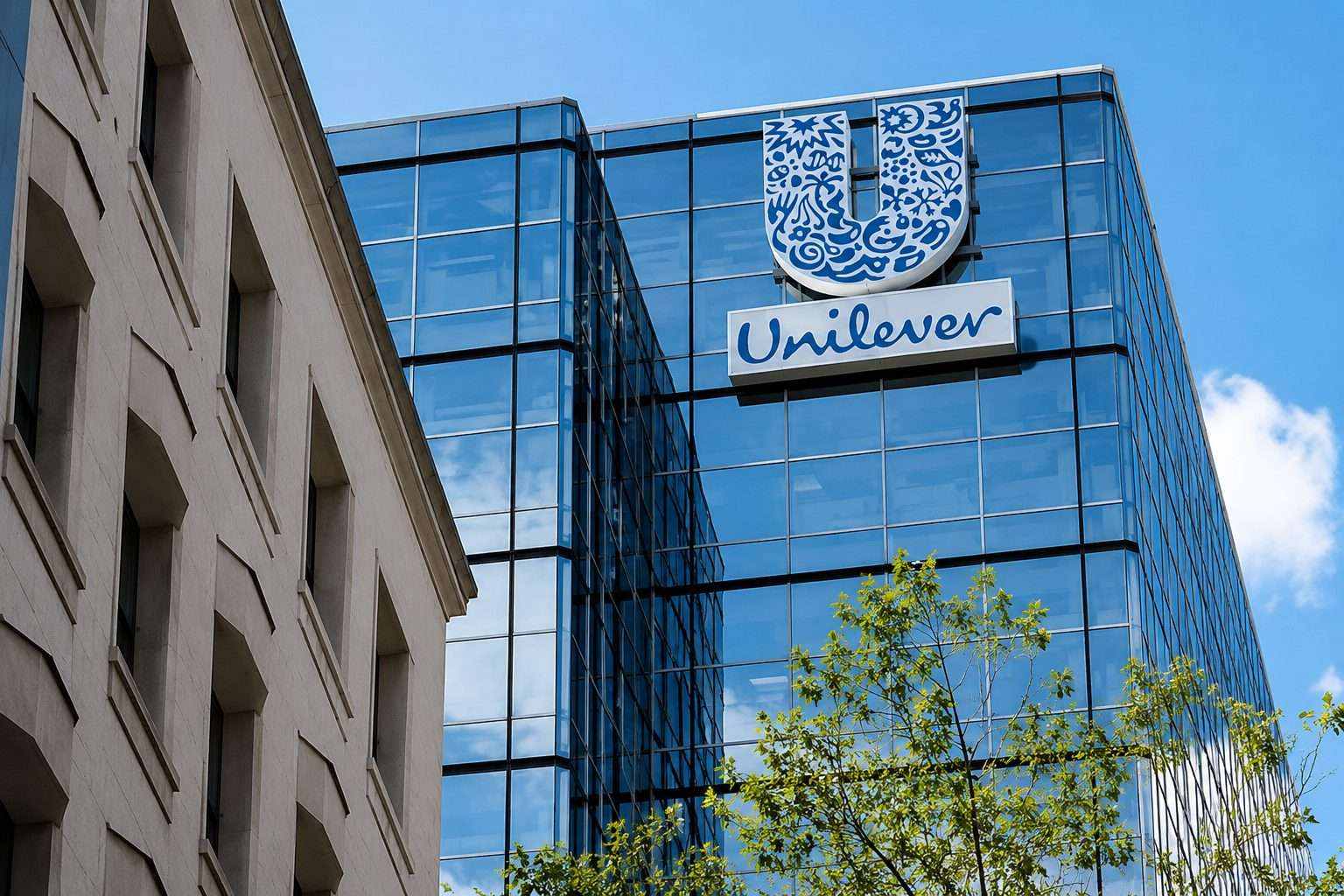
Unilever PLC shares slipped early Wednesday in London, trimming some of the defensive gains from the prior session. Investors are balancing hopes for a simpler consumer-products setup with frustration over the food unit’s slow separation.
Unilever traded at 4,392.5p as data from the London Stock Exchange pointed to normal activity, with the price moving between 4,369p and 4,429p. The stock climbed 1.39% on Tuesday, ending at £44.54. The FTSE 100 slipped 0.09%. Turnover was less than half the 50-day average, according to the .
Unilever’s rally is less about food staples now and more about the market paying up for a business focusing on home and personal care. Back in March, Unilever struck a deal to merge its foods business with McCormick, valuing that unit at about $44.8 billion. Unilever and its shareholders end up with 65% of the new company and $15.7 billion in cash.
Timing is the issue. Unilever said the deal with McCormick should close by mid-2027, if it passes approvals, which means investors are looking at at least a year where execution risk hangs over the business before Unilever moves to just home and personal care.
Unilever’s first-quarter operating figures beat what the stock is showing. Underlying sales growth was 3.8% after dropping out currency and portfolio changes, with volumes up 2.9% and prices 0.9% higher. CEO Fernando Fernandez said Unilever “started the year well with volume-led growth”. Unilever
The mix matters now. When inflation hit, packaged-goods companies leaned hard on higher prices. Unilever is starting to drive growth by shifting more units, which investors see as a clearer sign—especially as some worry shoppers could balk at more price hikes.
Unilever shares remain well below their December high. The stock ended Tuesday’s session about 19.6% off its 52-week top of £55.42 from Dec. 19, MarketWatch data show.
Investors remain selective. Reckitt traded at about 4,655p in London and stayed soft after a tough year. Procter & Gamble in the U.S. moved near $150.86 ahead of the open.
The food deal could get held up. Slower regulators, pushback from McCormick shareholders or soft consumer demand might leave Unilever caught in the middle. Staples holders may see too much restructuring risk, while the company still won’t have enough beauty and personal-care to draw growth investors.