
London, June 24, 2026, 09:29 BST
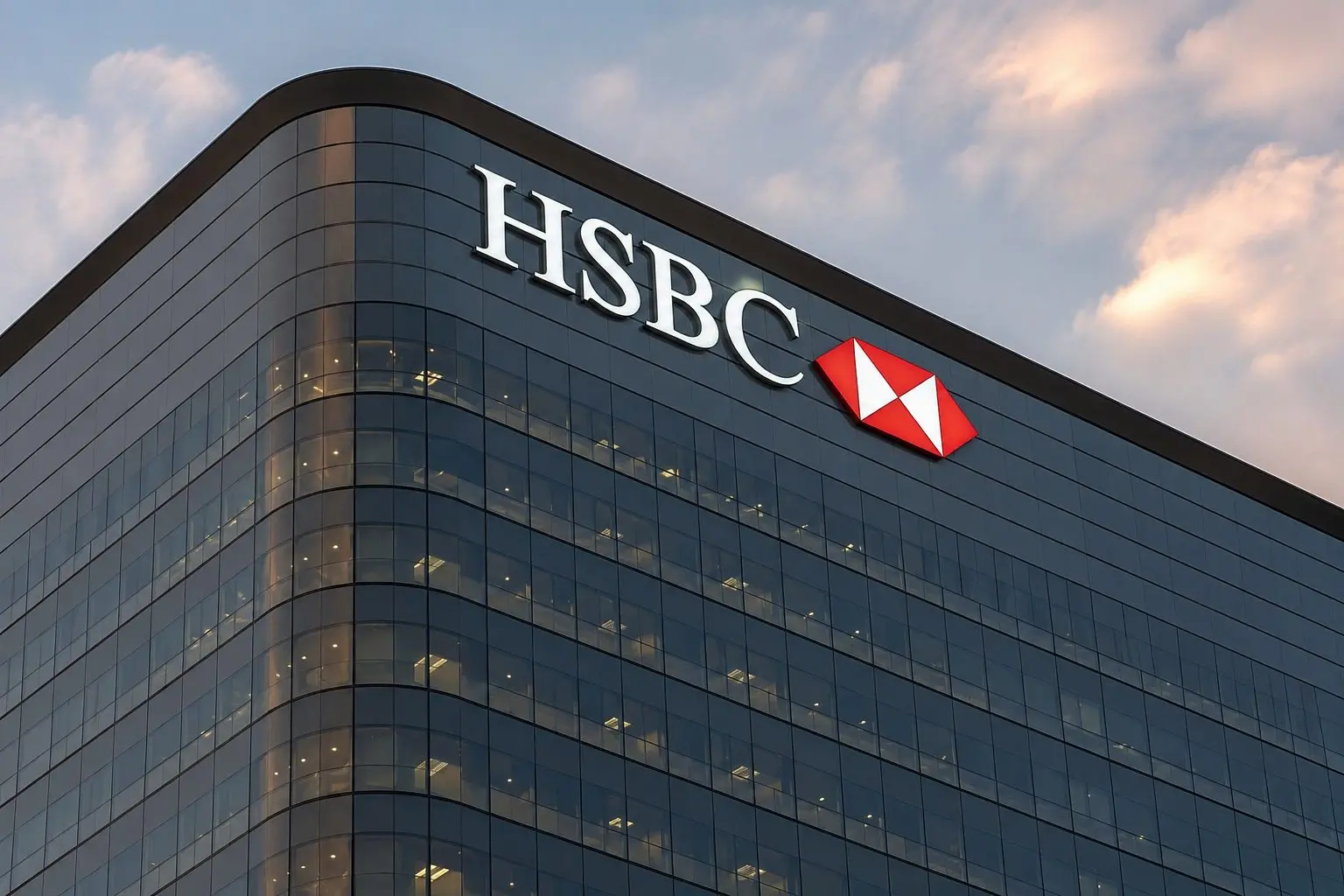
HSBC Holdings slipped 0.4% to 1,440.1 pence in early London trading Wednesday. The FTSE 100 was flat. HSBC was 1.1% under its 52-week high and traded around 15.8 times trailing earnings, market cap close to £247 billion.
Hong Kong shares fell 0.3% to HK$148.20, just off a new 52-week high at HK$149.90. In London, the stock is up 62% over the past year. The median 12-month price target from 14 analysts sits at 1,489.71 pence, which is 3% above where the shares finished on Tuesday.
The price is tight for Hong Kong names if growth lags. This week, Chinese brokerages told some mainland funds to pause new overseas bets via total return swaps—derivatives letting funds track foreign stocks without owning them. HSBC bank accounts are not directly hit, but Beijing is making another move to keep capital inside China.
HSBC’s 2025 figures show the stakes for its policy moves. Hong Kong posted a 35.5% return on tangible equity, compared to 17.8% in international wealth and 14.9% in corporate banking. Moving away from household wealth and into more corporate treasury could funnel growth into lower-return areas unless HSBC finds higher scale or better margins.
The bank is counting on more overseas clients for its Hong Kong strategy. The customer base jumped by almost 2 million, reaching 7 million by the end of 2025. Hong Kong CEO Maggie Ng said in May: “It is my short-term target to see the total customers reach 7.5 million.” Ng said international investors will need to help drive the growth. South China Morning Post
HSBC trades at a 15.75 trailing price-to-earnings ratio, putting it roughly 18% ahead of Standard Chartered’s 13.32 and 34% over Barclays at 11.79. Investors already pay more for HSBC than those peers. That richer price puts HSBC at more risk if Hong Kong fee growth stalls.
HSBC’s premium comes as management aims to raise return on tangible equity to at least 17% by 2028, up from 13.3% in 2025. CEO Georges Elhedery said in February: “We are becoming a simple, more agile, focused bank built for a fast-changing world.” Reuters
Capital controls remain tough to gauge. Mainland-linked deposits in Hong Kong climbed almost 50% since 2023, reaching $237 billion, Reuters reported. “The biggest problem is that you never know how far the crackdown on cross-border capital flow can go,” said Natixis economist Gary Ng. Reuters
There’s another factor in play. Hong Kong officials said this week they’re talking about expanding regulated ways for mainland investors, which could mean larger southbound quotas and simpler access to local IPOs. If those options expand, HSBC could keep pulling in assets even as Beijing cracks down on less transparent flows.
HSBC shares now trade at a premium, but there’s not much cushion if wealth growth slows and credit costs rise at the same time. HSBC’s wealth revenue climbed 18% in the first quarter, Citi analysts said, trailing Standard Chartered’s 32% gain. The bank also reported $22 billion in private-credit-related exposure after taking a $400 million loss tied to fraud. CFO Pam Kaur said HSBC already looked at its riskiest areas and “we don’t see anything comparable there.” Reuters
The real test ahead is mix, not just customer growth. HSBC needs new assets to flow into products that help hit its 17% return target, instead of moving toward lower-return corporate channels.