
London, June 25, 2026, 09:23 BST
- The stock gained 0.45% to close at 1,425.6 pence, topping analysts’ median target of 1,400p.
- Rolls-Royce only picked up 584 shares in the latest weekly buyback, a big drop from 2.86 million the week before.
- So far, £848.4 million out of the £2.3 billion programme has been spent. That leaves £1.45 billion still available.
- At Thursday’s price, the rest of the funds would take out about 1.2% of shares.
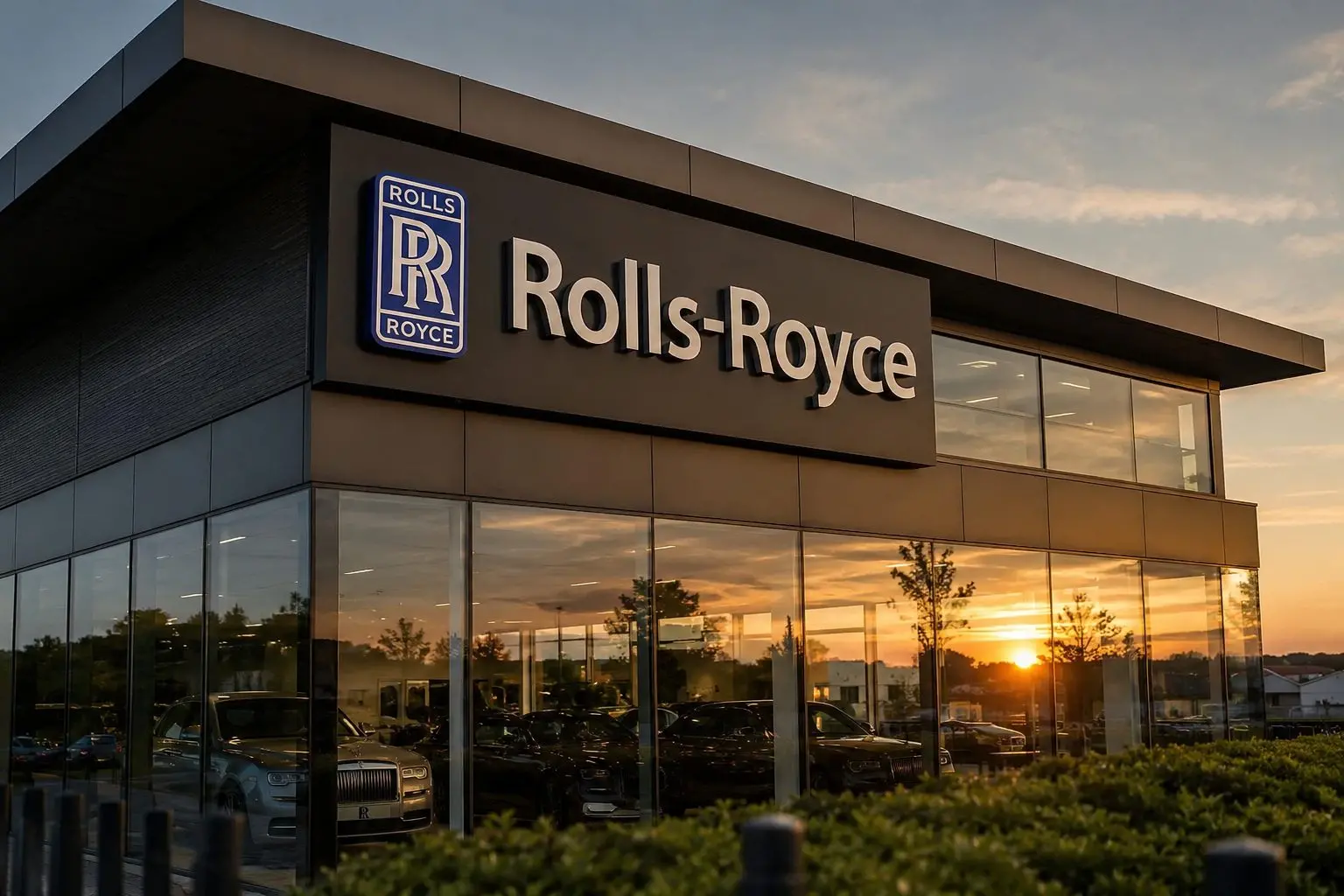
Rolls-Royce Holdings plc (LON:RR) added 0.45% to reach 1,425.6 pence at the open in London on Thursday, coming off a 2.01% gain on Wednesday. The FTSE 100 showed little movement.
Rolls-Royce’s Wednesday buyback filing showed it bought just 584 shares between June 16 and June 22. All the shares were purchased on June 22 at an average price of 1,397.64p, for a total of around £8,162.
The company picked up 2,858,099 shares for roughly £35.4 million in the prior reporting window, June 9 to June 15. In the latest period, both share count and spend dropped by over 99.9%.
The filing did not say why volume nearly stopped. Purchasing banks are running the program in tranches and make their own trading calls inside preset rules. So low volume doesn’t directly mean management saw the stock as too pricey.
Rolls-Royce has bought back 70,594,623 shares since it kicked off its £2.3 billion buyback in February, paying an average 1,201.79p per share. That totals about £848.4 million spent so far, or 36.9% of the planned amount. The average buyback price is almost 16% lower than Thursday’s close.
Rolls-Royce has about £1.45 billion left in its buyback program. At 1,425.6p, that’s close to 101.8 million shares, or 1.2% of the 8.36 billion shares on the market. The company, including a finished £200 million interim program, still aims for up to £2.5 billion in buybacks by 2026. That would be around 2.1% of its £119 billion value right now.
Rolls-Royce projects free cash flow for 2026 at £3.6 billion to £3.8 billion. That works out to a free-cash-flow yield of roughly 3.0% to 3.2% based on where shares are trading now. The planned £2.5 billion buyback would eat up 66% to 69% of that cash flow guidance.
The stock now trades near where brokers expected. The median 12-month target from 17 analysts stands at 1,400p, which is a 1.8% discount to Thursday’s close. Price targets go from 1,101p to 1,740p, showing analysts are split on how much profit growth is in the price.
Rolls-Royce held to its 2026 guidance for underlying operating profit of £4.0 billion to £4.2 billion in its April statement. Chief Executive Tufan Erginbilgic said Rolls plans to “fully mitigate the current financial impact” from disruption to airline clients in the Middle East. Reuters
Rolls-Royce said Tuesday it has a new Power Systems deal for 64 mtu Series 2000 engines and integrated bridge systems, with deliveries set for yachts built between 2026 and 2029. The company did not reveal the contract value, so there’s no way yet to compare the impact to the group’s guidance.
Rolls-Royce is set to post first-half results on July 30. Investors are watching if cash generation can top guidance and if the company restarts its buyback in a bigger way, now that the shares trade above the median analyst target.