
LONDON, June 27, 2026, 16:01 BST
- National Grid ended Friday at 1,245.50p, losing 0.6% for the session. Shares rose 2.8% over the week.
- Ofgem moved forward with 16 long-duration storage projects during the same week NESO issued a second power-margin alert for a heatwave.
- National Grid’s five-year capital plan is set at a minimum of £70 billion, around 1.1 times its market cap of £61.97 billion.
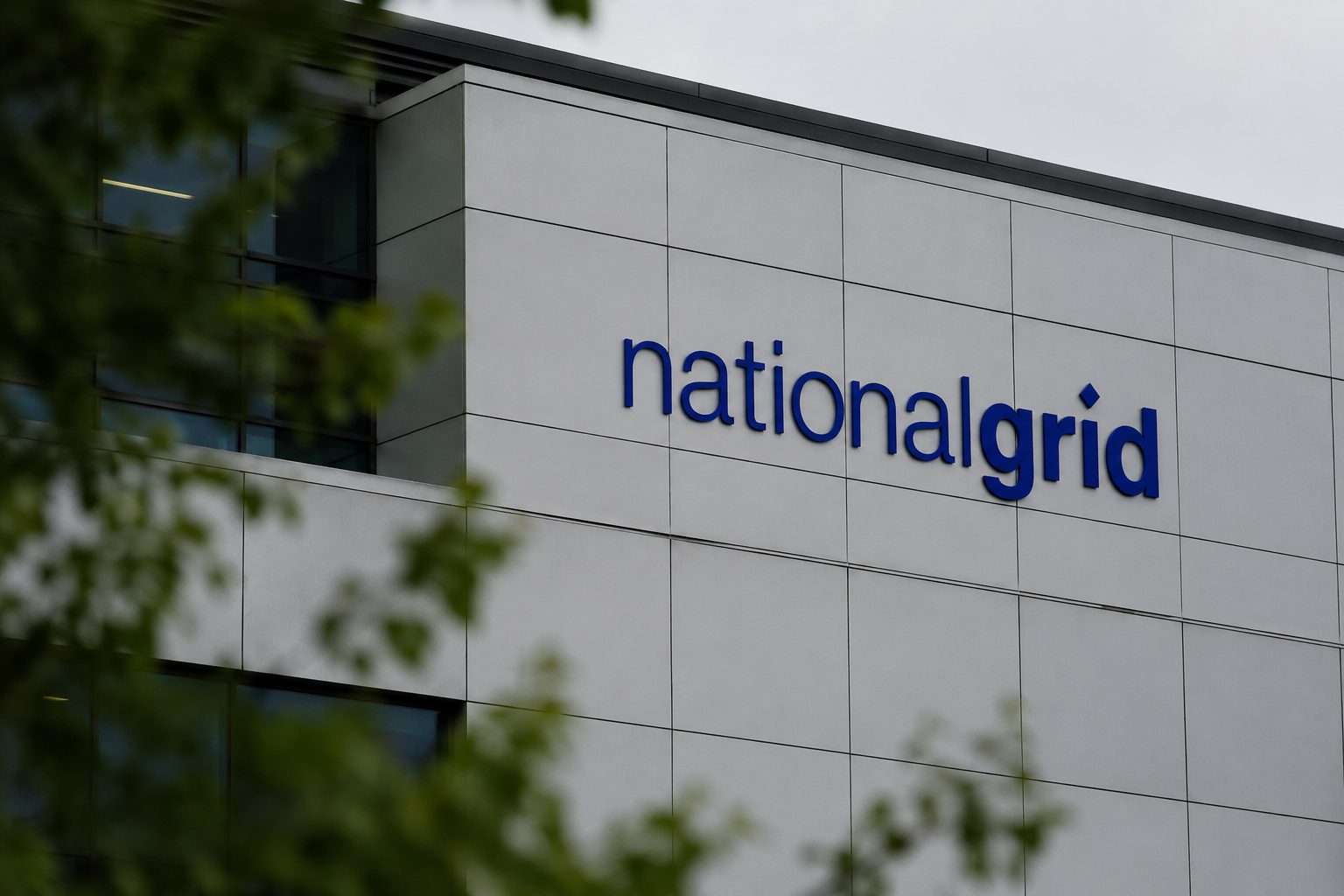
National Grid plc LON:NG finished the week facing a simpler question for investors than its share moves might suggest: can a regulated grid owner deliver on a capital plan that tops its own equity, with low wind and hot weather now showing how tight the power system is?
The stock finished Friday at 1,245.50p, slipping 0.6% from Thursday’s 1,253.00p. Shares stayed 2.8% above last week’s 1,212.00p close, according to LSEG data on Investors Chronicle.
Britain’s National Energy System Operator, now under government ownership, called for extra power from generators for Friday evening. NESO cited tight margins due to extreme heat, but said supplies were not in immediate danger. The grid operator paid close to £200 per megawatt-hour to import electricity from the continent, almost triple the average price in June last year, according to the Guardian.
That’s not a straight profit boost for National Grid. The company already sold its Electricity System Operator unit to the UK government, Hargreaves Lansdown’s Aarin Chiekrie said in May. The bigger story for the stock is that heat stress keeps the focus on how far Britain will go with network expansion and support.
Ofgem’s Friday ruling left some questions for investors. The regulator picked 16 long-duration electricity storage projects, saying the group should help bring costs down by reducing pressure on existing networks and lowering the need for new infrastructure or management of constraints.
Storage is on the radar for National Grid holders, since it can reduce overall system costs but might also take the place of some network upgrades down the line. National Grid’s plan is already big. Chief Executive Zoë Yujnovich calls it the “largest investment programme in our history,” with a minimum of £70 billion over five years spanning the UK and U.S. Northeast. National Grid
National Grid’s LSE:NG. planned capital spend is set to top its own market cap. The £61.97 billion group said its spending through 2030/31 will run about 113% of its market value. It logged record capital investment of £11.6 billion for 2025/26, up 18%, and asset growth came in at 10.9%.
National Grid’s management expects the plan to back roughly 10% asset growth a year and 8%-10% underlying EPS growth over the next five years. For the year to March 31, underlying EPS was 78.0p. The dividend for the year is up 3.8% to 48.49p.
The valuation doesn’t look stretched on these earnings. Shares at 1,245.50p are about 16x 2025/26 underlying EPS. AJ Bell puts the dividend yield close to 4%. The year high is 1,428.50p. After Friday’s close, the stock sits 12.8% under that.
Market watchers disagree on how much of the capex angle is factored in. LSEG numbers on Investors Chronicle put 14 analysts at a median 12-month target of 1,388.50p, for 11.5% upside from Friday’s finish. Among them: three buy, seven outperform, six hold, two sell.
Chiekrie said National Grid’s higher allowed revenues are a tailwind for profit, but flagged “the sheer scale of the investment plans brings plenty of execution risk.” He noted the group holds about 80% of its debt on fixed rates, so higher near-term rates should be manageable. Hl
National Grid isn’t scheduled for another company event next week. The utility’s 2026 AGM is set for July 14, with the 2025/26 final dividend due July 23. In the meantime, the stock is likely to move on new power-margin updates, developments in the storage-project consultation, and any changes in rate expectations.