
LONDON, July 2, 2026, 00:03 BST
- Lloyds Banking Group plc (LON:LLOY) will stop opening new Halifax accounts and move customers to Lloyds branding over time; Bank of Scotland stays as the lead brand in Scotland.
- Halifax’s 190 branches make up about 35.8% of Lloyds’ 531-branch estate; Lloyds says the rebrand brings no role cuts and no extra branch closures.
- Lloyds closed up 0.95% at 112.15p on July 1 while the FTSE 100 slipped 0.18%; London trading was closed at the dateline time.
- UK current-account switching rose 43% in Q1, so the main investor risk is retention, not signage.
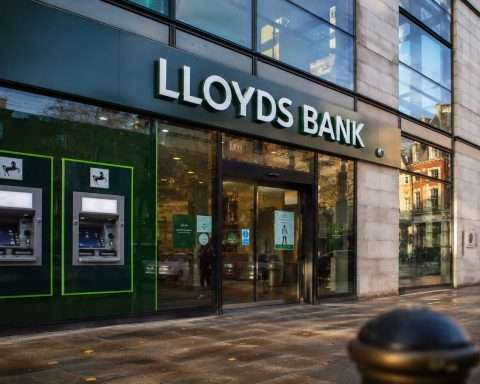
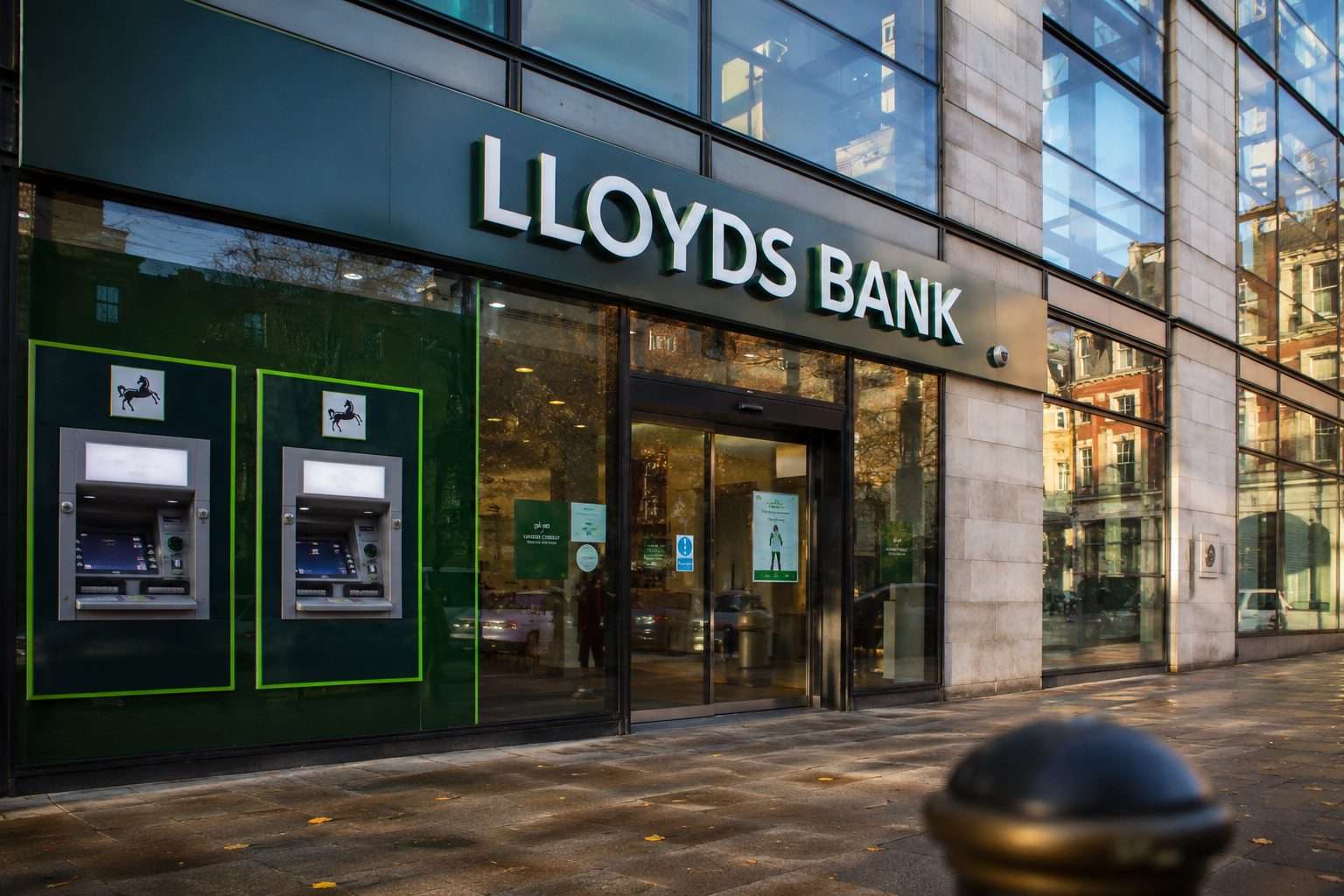
Lloyds Banking Group plc (LON:LLOY) will retire Halifax from UK high streets after 173 years, turning a brand decision into a live test of customer stickiness at Britain’s biggest retail bank. The company said Halifax will stop opening new accounts, existing Halifax customers will start using the Lloyds app in the coming months, and accounts will be rebranded over time.
The sharper number is 190. That is the Halifax branch count inside a 531-site Lloyds estate, or about 35.8% of the group’s physical network. From early 2027, those branches will get Lloyds signs. Lloyds said there are no role reductions tied to Wednesday’s announcement and no changes to previously announced branch plans.
Jas Singh, Lloyds’ chief executive for consumer relationships, said Halifax customers would keep “the same sort code and account number” and “the same friendly faces” in branches, while gaining access to Lloyds products such as Club Lloyds, Lloyds Premier and Lloyds Rewards. Lloyds Banking Group
| Area | Halifax position | Lloyds plan | Investor issue |
|---|---|---|---|
| Branch footprint | 190 Halifax sites | Rebrand to Lloyds from early 2027 | Visible change across 35.8% of the estate |
| New accounts | Halifax still carried its own front door | Halifax stops opening new accounts | New flow goes to Lloyds |
| Existing accounts | Halifax sort codes and account numbers | Details stay the same | Lower migration friction |
| Scotland | Bank of Scotland present | Bank of Scotland stays lead brand | Regional brand risk is ring-fenced |
The company also said Financial Services Compensation Scheme protection on existing Halifax accounts will remain separate from balances in new Lloyds accounts. Halifax mortgages will stay available through intermediaries until 2027, when Halifax Intermediaries is due to become Lloyds Intermediaries.
The share reaction did not look like a protest. Lloyds closed at 112.15p, up 1.05p or 0.95%, while the FTSE 100 fell 0.18%. The stock page showed the market closed, with prices delayed by at least 15 minutes.
| Metric | Latest figure | Why it matters |
|---|---|---|
| Lloyds share close, July 1 | 112.15p, up 0.95% | Investors did not mark the stock down on the day |
| FTSE 100, July 1 | Down 0.18% | Lloyds beat the wider index |
| Lloyds Q1 net income | £4.8 billion, up 9% | Rebrand lands during a profit-growth year |
| Lloyds Q1 operating costs | £2.5 billion, down 3% | One-brand banking gives cost control a visible consumer face |
| CASS Q1 switches | 319,529, up 43% | Customers are willing to move accounts |
| Lloyds net switching gains, Q4 2025 | 12,073 | Lloyds was gaining accounts before the Halifax change |
| Brand scores, June 30 | Lloyds 13.3; Halifax 12.3 | Marketing Week’s data gives Lloyds the higher brand score |
The switching data is the hard customer test. Pay.UK said the Current Account Switch Service handled 319,529 switches in the first quarter, up from 222,805 a year earlier. End-user data for the final three months of 2025 put Lloyds behind Nationwide and Barclays Plc (LON:BARC) for net gains, but still positive at 12,073. John Dentry, product manager at Pay.UK, called it “yet another busy start to the year.” Pay.UK
Marketing Week reported that Lloyds scored 13.3 against Halifax’s 12.3 as of June 30, a small but useful number for a bank trying to justify one lead consumer brand in England, Wales and Northern Ireland. Marketing Week also reported the change would have no impact on colleagues in the marketing team.
The financial base is stronger than the bank had a year ago. Lloyds’ investor page said first-quarter net income rose 9% to £4.8 billion, operating costs fell 3% to £2.5 billion, statutory profit after tax rose 37% to £1.6 billion, and return on tangible equity reached 17.0%. Chief Executive Charlie Nunn said the group had grown income and kept cost discipline in the quarter.
Halifax began in the mid-1800s as a building society tied to housing in West Yorkshire, grew into the world’s largest building society by 1928, demutualised in the 1990s, and merged with Bank of Scotland in 2001 to form HBOS. Lloyds took on HBOS during the 2008 financial crisis in a rescue backed by £20 billion of taxpayer cash.
The next marker is Lloyds’ half-year results at the end of July, when Nunn is due to set out a new strategy after a five-year plan built around digital and mobile banking.