
LONDON, July 4, 2026, 15:06 BST
- Unilever finished Friday’s session in London at 4,620p, slipping 0.35%. The FTSE 100 (INDEXFTSE:UKX) added 0.25%.
- Unilever finished the €1.5 billion buyback, moving 30.7 million shares, or around 1.4% of shares outstanding, into treasury.
- Unilever is due to report Q2 and first-half numbers on July 28, the next major test for the company.
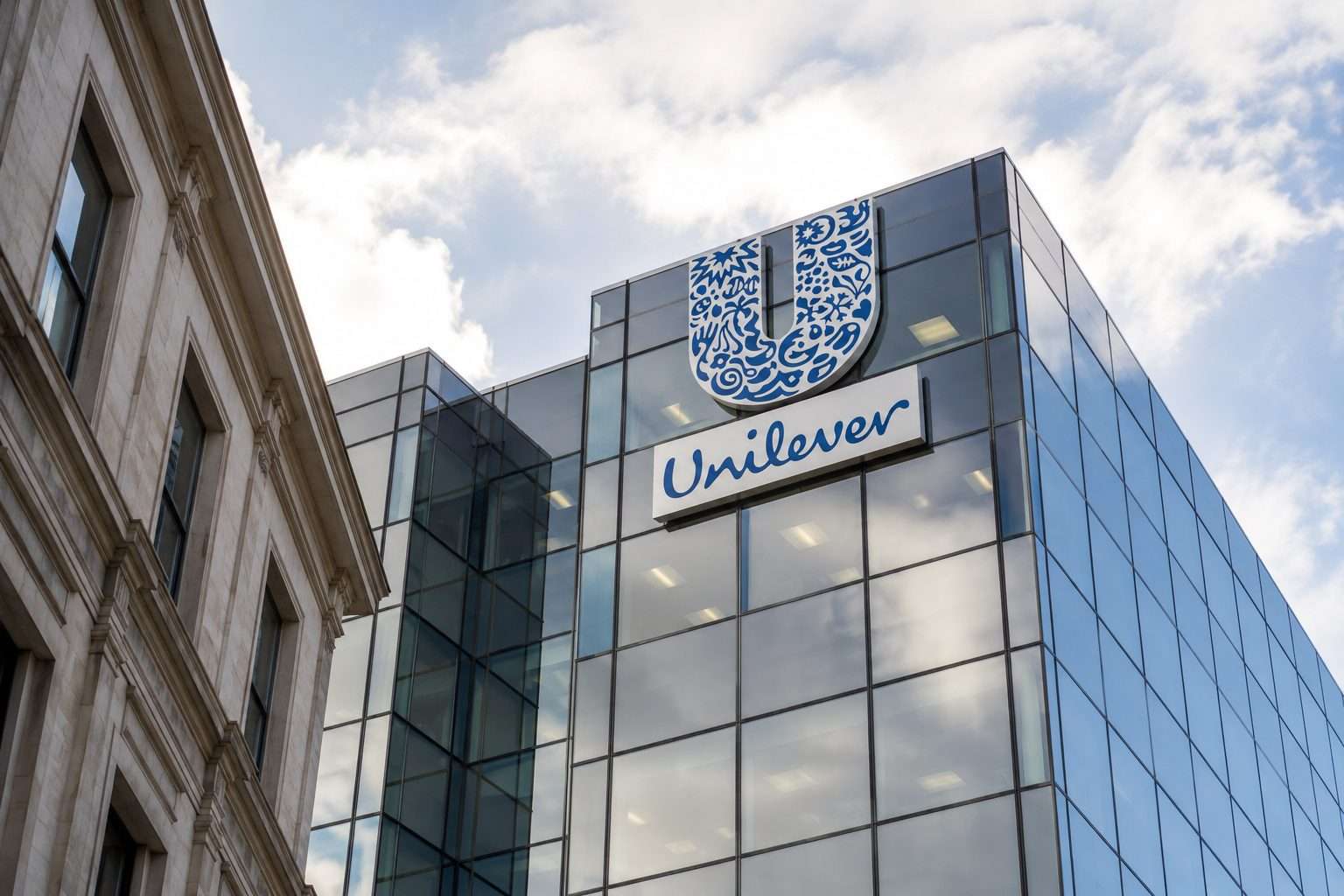
Unilever PLC (LON:ULVR) edged higher for the week, but shareholders are still left asking about the stock’s lag versus the wider UK market. The company’s buyback has lowered the share count, though that hasn’t fixed the underperformance. With London markets closed for the weekend, Friday’s close stands: 4,620.00p, down 16p, or 0.35%. The FTSE 100 finished up 26.16 points at 10,679.03, a gain of 0.25%.
The stock traded like this against the index on Friday, quote data showed:
| Measure | Unilever | FTSE 100 |
|---|---|---|
| Friday close | 4,620.00p | 10,679.03 |
| Day change | dropped 16.00p, or 0.35% | added 26.16, up 0.25% |
| Intraday range | traded between 4,564.00p and 4,635.00p | range was 10,604.25 to 10,701.32 |
| Volume | 1.75 mln shares moved | n/a |
Unilever finished its 2026 buyback, purchasing 30,703,780 ordinary shares for a total €1,499,999,891—about €48.85 a share. As of June 30, the company reported 2.185 billion ordinary shares in issue, with 30.7 million held as treasury shares, 239,141 group-held shares without voting rights, and 2.154 billion voting rights outstanding.
| Capital item | Figure |
|---|---|
| 2026 buyback spend | €1.50 bln |
| Shares bought | 30.70 mln |
| Implied average buyback price | €48.85 |
| Treasury shares / issued shares | 1.41% |
| Voting rights after treasury and group shares | 2.154 bln |
The 1.4% cut lifts the per-share figures, but the market’s main test stays the same. Latest FTSE Russell data from July 3 puts Unilever down 4.9% for the year so far, trailing the FTSE 350 by 12.1 points. Over five years, Unilever dropped 1.0% while the FTSE 350 gained 44.3%. Unilever edged up 0.4% in the last week, still lagging the index by 1.2 points.
The stock isn’t just about buybacks anymore. After the buyback, investors want to see more volume growth and a successful Foods spinoff to push the story. April’s trading update set the stage for July: Unilever posted 3.8% growth in underlying sales for Q1, with volumes up 2.9% and prices up 0.9%. Power Brands sales rose 5.0%, but Europe slipped 0.9%. CEO Fernando Fernández called it a start to the year with “volume-led growth driven by our Power Brands.” Unilever
Pricing is still tight. Finance chief Srinivas Phatak said in April that Unilever planned “small doses” of price increases after bumping its inflation outlook. Chris Beckett, a consumer staples analyst at Quilter Cheviot, told Reuters there are limits on pricing in developed markets, calling it “not easy to take pricing.” Reuters
Unilever and McCormick & Company NYSE:MKC in March agreed to merge Unilever Foods with McCormick. The deal puts a roughly $44.8 billion value on Unilever Foods. Unilever and its shareholders will get $29.1 billion in shares and $15.7 billion in cash. Unilever plans to use the cash for about €6 billion in share buybacks from 2026 through 2029.
Some investors supported the move. David Samra, managing director at Artisan Partners, told Reuters the split should help Unilever “more effectively manage” its personal care and home brands, and he expects the rest of the company to fetch a “higher earnings multiple.” Unilever shares dropped 7% after the deal was announced, cutting about $7 billion off its market cap, Reuters reported. Reuters
There’s not much on the company calendar this week. Unilever’s next event is its Q2 and Half-Year 2026 results, set for July 28. The results webcast starts at 08:00 UK time. Unilever also plans to announce its Q2 dividend that day, with the ordinary-share ex-dividend date on Aug. 6 and payment due Sept. 18.