
Adelaide, July 9, 2026, 00:32 (ACST)
- South Australia’s consumer watchdog handed out 29 fuel-price fines totalling almost A$20,000 after running more than 1,000 inspections. On-the-spot penalties will jump to A$5,000 later this month.
- Adelaide petrol prices went up 6.1 cents a litre on July 1, after the fuel excise was partly brought back. That’s below the 16 cents per litre change in the tax, according to ACCC data.
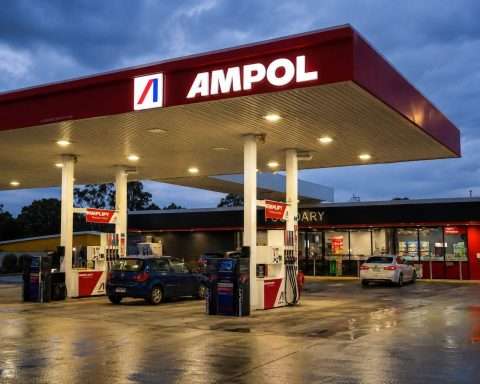
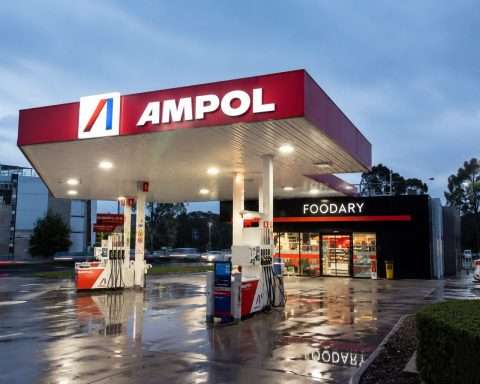
- Ampol ASX:ALD and Viva Energy ASX:VEA traded higher on July 8 as oil and supply themes kept steering both stocks, outweighing any fine headlines.
At 00:32 ACST, trading on the ASX cash market was in between sessions. Thursday is not listed as a 2026 exchange holiday by the ASX. The bourse trades 10 a.m. to 4 p.m. Sydney time on standard business days.
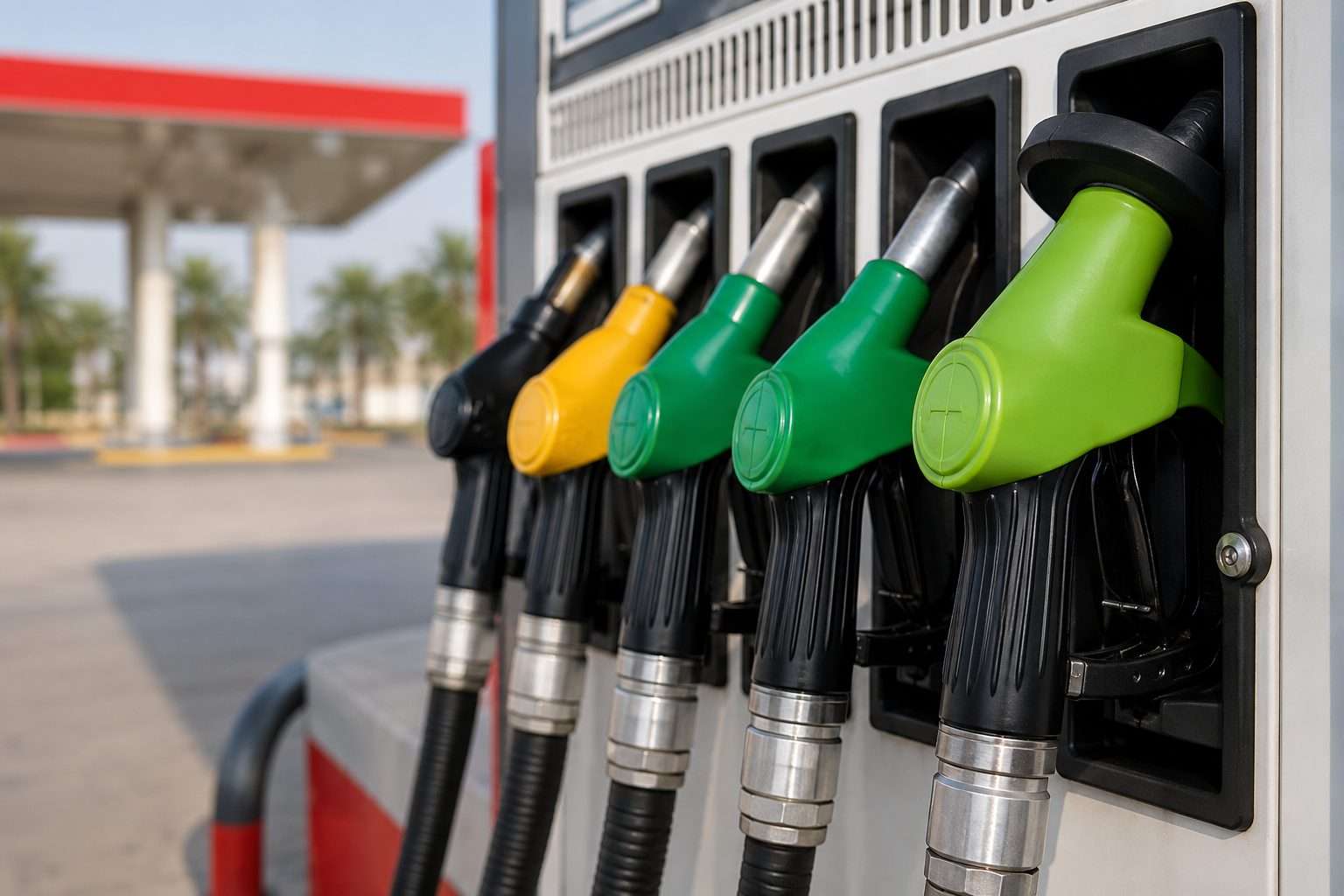
South Australia’s nearly A$20,000 in fines isn’t moving the needle for big listed fuel stocks. The main story is retailers facing a new cost if they get price data wrong. The real-time fuel rule means they have to update the main database within half an hour of any price or supply change. Consumer and Business Services said its latest round saw 29 fines and 24 warnings from more than 1,000 checks.
| SA fuel-price compliance measure | Confirmed now | Late-July setting | Investor read |
|---|---|---|---|
| CBS inspections | Over 1,000 checks | Inspections blitz ongoing | More checks mean more paper trail |
| Expiations | 29 issued | Same number would total A$145,000 at A$5,000 per fine | Hit is minor for listed, tighter for franchise groups |
| Fine pool | Close to A$20,000 | Instant fines up from A$550 to A$5,000 | Cost of compliance is harder to wave off |
| Court penalty | Cap at A$10,000 | Cap lifts to A$20,000 | Brand and operator danger shows up before profit |
The math shifts the incentive. A$20,000 at group level is easy to write off. A$145,000 for the same breaches isn’t material for Ampol or Viva, but it’s not pocket change for a site operator. That also turns app accuracy into a boardroom issue for networks using franchise, dealer, or company-run sites.
The ACCC’s July 3 fuel report gives a clearer snapshot of the market. On July 1, terminal gate prices in the five main cities went up 15.1 cpl for petrol and 14.9 cpl for diesel after fuel excise was restored at 16 cpl. Retail prices didn’t move as much: petrol rose 6.6 cpl and diesel 5.6 cpl on average. The difference matters since pump prices still depend on inventory, geography and price cycles.
| Live-price signal | Latest confirmed figure | Read-through for margins |
|---|---|---|
| Adelaide petrol, July 1 | 148.8 cpl to 154.9 cpl; daily range 146.5-169.9 cpl | Big gap still lets switching happen via apps |
| Adelaide diesel, July 1 | 173.9 cpl to 178.3 cpl; daily low-high 166.5-185.9 cpl | Diesel price pass-through slower than petrol |
| Coffs Harbour U91, July 8 report | Low at 163.9 cpl, a 33 cpl spread from most expensive | Regional sites show wide price splits too |
Coffs Harbour’s listing stands out even though it’s in NSW, not South Australia. There was a 33 cpl gap for U91, according to FuelCheck. NSW FuelCheck says more than 2,000 stations upload real-time prices and users can flag mismatches. On a 50-litre tank, a 33 cpl difference is A$16.50—a real incentive if drivers trust the app.
RAA fuel expert Peter Nattrass said in a government statement that more drivers are using price check apps to find cheaper fuel, and rewarding the retailers offering lower prices. RAA said South Australians using real-time fuel pricing save about A$117 a year, adding up to A$58 million statewide.
For investors, what’s at stake is network footprint and how much they can charge, not just the fines on the page. Ampol handles roughly 3 million customers every week at over 1,800 branded spots. Viva sells fuel to more than 1,550 stations and runs about 1,280 convenience and fuel outlets. With big networks like these, a 30-minute rule for reporting prices means a mistake shows up for everyone, fast.
Viva shares jumped 3.26% to A$2.22 on Wednesday and Ampol added 1.37% to A$34.78. South Australia’s fines didn’t hit the stocks. The ASX 200 closed down 0.21%. Oil-linked names got a lift from Brent crude, which rose on new Middle East supply worries.
| Stock | July 8 market signal | Exposure read |
|---|---|---|
| Ampol Limited ASX:ALD | A$34.78, up 1.37%; shares have gained 32.70% in the last year | Scale and oil-linked profits still drive value in the sector |
| Viva Energy Group Limited ASX:VEA | A$2.22, up 3.26%; traded between A$1.695 and A$2.690 past year | Investors want proof that fuel and store visits stay strong |
| Brent crude | Moved higher on Middle East supply worries | Wholesale moves can hide tightening at the pump, but not forever |
Stock performance splits the warning for investors. Ampol’s 12-month run-up means there’s less buffer if switching via apps cuts pump margins. Viva trades weaker, so it could get hit if cheaper competitors pull drivers away before they get to its stores. The margin is tight, but price rank still matters.
The next figure is the repeat-breach rate after the A$5,000 expiation takes effect. Next up are pump spreads from around August 2, when the last of the temporary fuel-excise relief ends. The ACCC’s weekly fuel series is due to continue through September 30.