
SYDNEY, July 9, 2026, 05:01 AEST
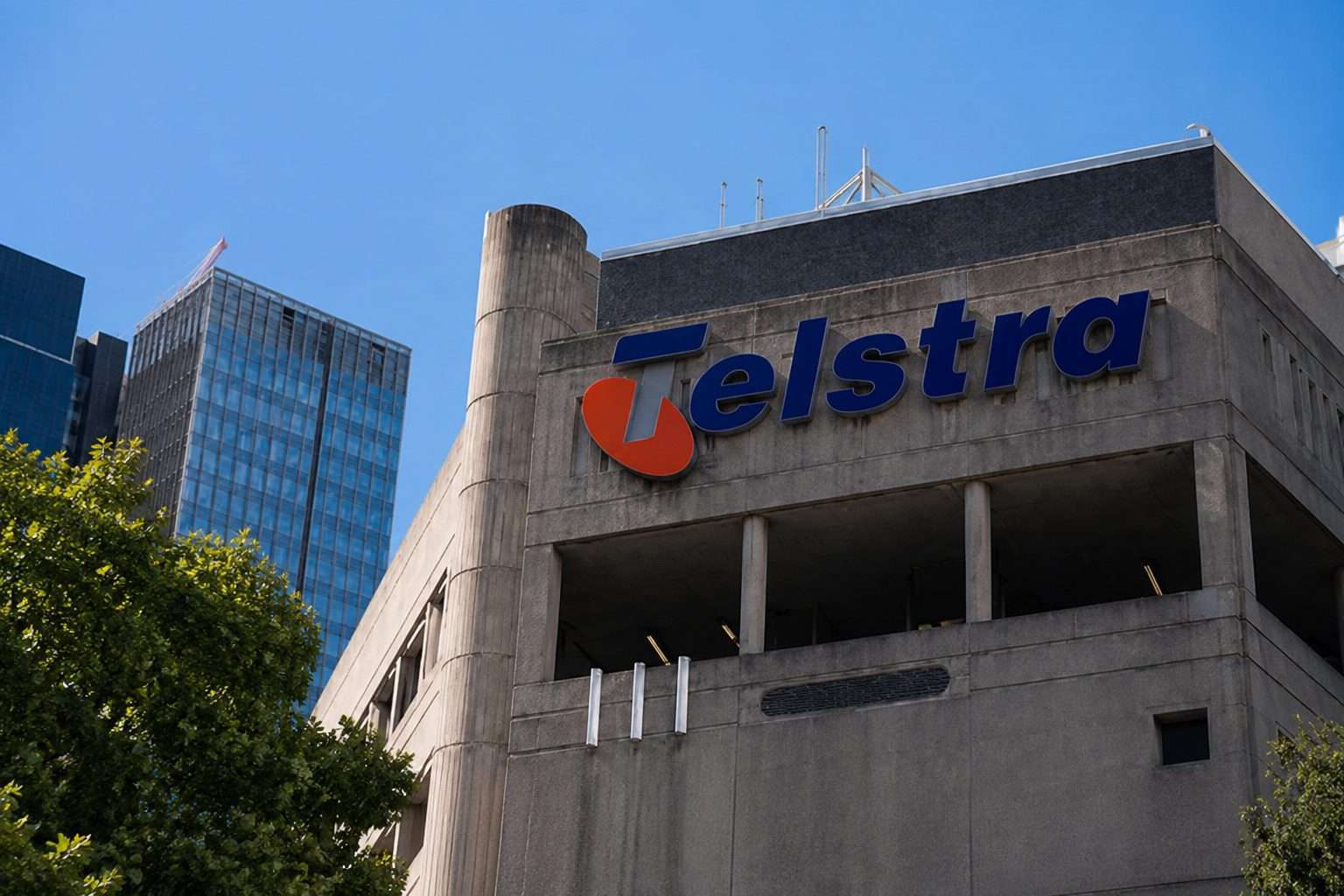
Telstra Group Limited ASX:TLS heads into Thursday’s ASX pre-open facing heat after shares finished down 2.96% at A$4.92. A nationwide outage hit the company hard and put fresh scrutiny on Telstra’s reliability. The S&P/ASX 200 slipped just 0.21% to 8,785.1, letting Telstra underperform the wider market.
ASX regular trading doesn’t begin until 10 a.m. Sydney, so Telstra investors haven’t had a full chance to react to the company’s late-day statement, fallout from the emergency call issue, or any comment from regulators. That leaves the next open in focus. It’s now about more than just service coming back; the market needs to mark in whether Telstra, as a defensive stock, gets priced for higher operational risk.
The selloff hit the core of Telstra’s investment story. Back in February, Telstra posted a 9.4% jump in first-half profit to A$1.12 billion, raised its buyback up to A$1.25 billion and set a 10.5 Australian cent interim dividend. Zavier Wong at eToro called the stock “one of the most defensive names on the ASX.” For FY26, Telstra forecast EBITDAaL, its post-lease cash earnings measure, between A$8.2 billion and A$8.4 billion. Reuters
Telstra reported a fault starting about 4:30 a.m. that affected time-keeping nodes in its mobile network. These nodes help organize and direct network traffic. By 5:30 p.m., the telco said it had carried out 395 welfare checks after failed or dropped calls to Triple Zero, the country’s emergency number. Six people needed help and Telstra said it worked with emergency services to handle those cases.
Chief Financial Officer Michael Ackland, stepping in for CEO Vicki Brady during her leave, said a software bug caused the outage, not a cyber incident. “We let customers down today, we apologise,” Ackland said. “I have nothing that suggests changes in staffing or expertise has led to this.” ABC News
The technical details are important because the outage was tied to core network functions, not some new-edge platform. Time synchronisation lets systems line up on the right time, which supports authentication — confirming a session or device is for real. Ackland said the impacted nodes were responsible for timekeeping in the mobile network, and trouble there can spread to calls and data.
The setup cuts both ways for Australia’s mobile sector. Big players are Telstra, Optus, which is part of Singapore Telecommunications SGX:Z74, and TPG Telecom (ASX:TPG). Backup routes help when there’s trouble, but if a major carrier goes down, effects hit trains, payments, and small firms. Telstra’s latest outage stopped wireless payments and cut train service, with Reuters pointing to recent streaks of reliability trouble in the sector.
Investors are being told to look past the dividend. Morgan Stanley’s Andrew McLeod and Angela Sutcliffe called SpaceX’s Starlink a “genuine disrupter” in the Australian market. Jarden analysts Liam Robertson and Charles Strong cut Telstra to underweight, a call meaning they think investors should hold less than the benchmark. The question isn’t about Thursday’s outage, but whether satellite providers like Starlink can eat into Telstra’s long-standing network lead. Sharecafe
But the risk could go the other way. If regulators rule the defect was a one-off and Telstra isn’t hit with a big fine or major compensation, talk around the dividend and buyback could come back fast. The downside is a formal violation, bigger redundancy costs and extra disclosure. New Triple Zero rules have set top fines for carriers at A$30 million. ACMA said Telstra paid more than A$3 million in 2024 for a previous emergency-call outage.
The next shot at a reset for management lands with the annual results on Aug. 13. The market isn’t likely to settle for just an earnings update—investors will be looking for a root cause, some kind of customer impact estimate, and hard evidence that time-keeping nodes and emergency call backups aren’t chronic issues.