
Sydney, July 9, 2026, 07:01 AEST
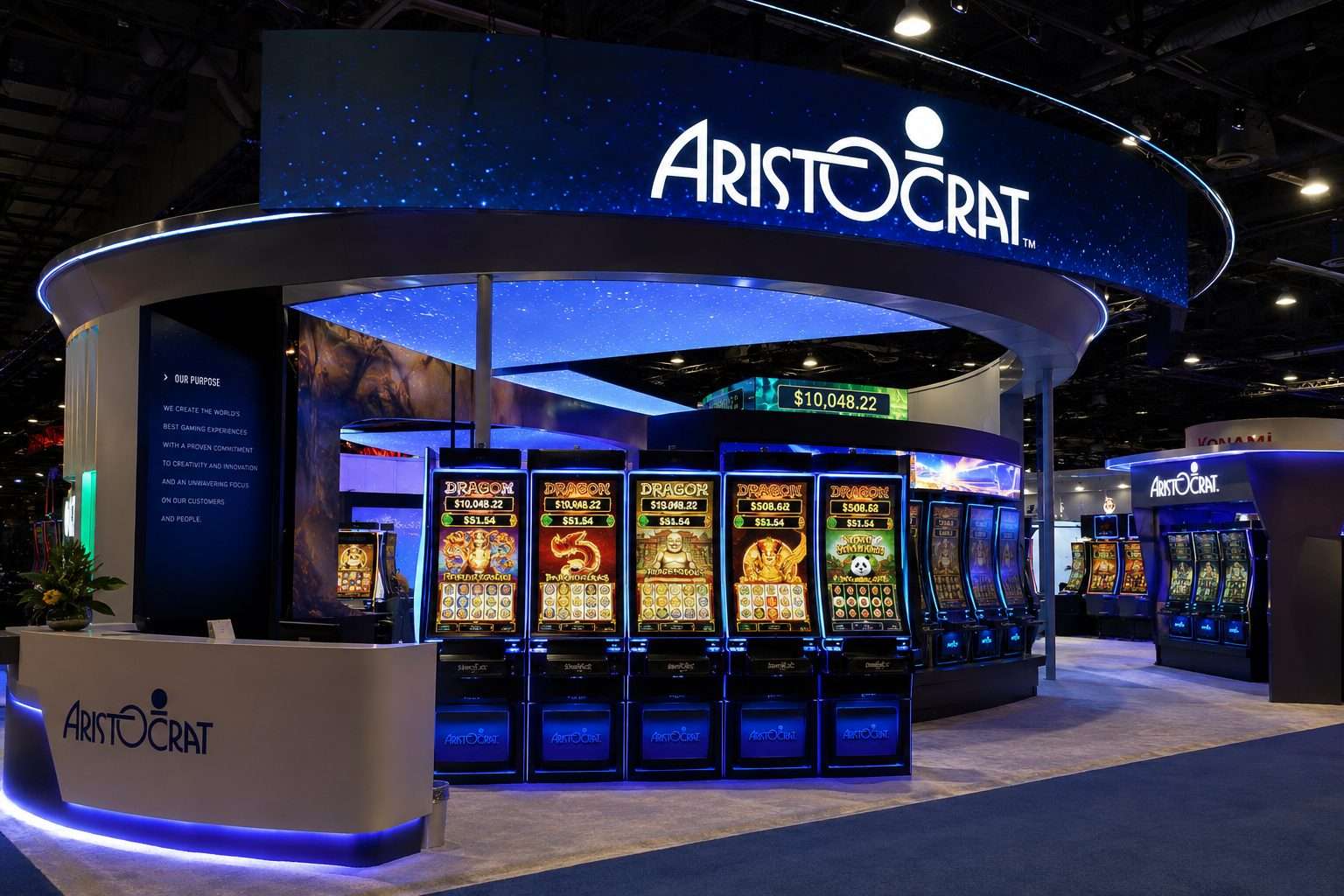
Aristocrat Leisure Ltd ALL.AX heads into Thursday’s ASX session with its buyback back in focus after the shares finished Wednesday almost flat at A$62.09, up 0.06%, on volume of 1.55 million shares. The stock traded between A$61.67 and A$62.53, according to Google Finance data.
The market was not yet in normal trading at the dateline time. ASX cash equities run in pre-open from 7:00 a.m. Sydney time before normal trading starts from 09:59:45 and runs to 16:00.
Why it matters now is simple: Aristocrat is buying back stock while the wider market has lost some footing. The S&P/ASX 200 fell 18.80 points, or 0.21%, to 8,785.10 on Wednesday, leaving Aristocrat’s flat close looking steadier than the benchmark, if not exactly forceful.
The latest buyback notice showed 25,595,373 shares had been bought back before the previous day and another 186,869 on July 7, taking the count to 25,782,242 shares. Cash paid across those two lines adds to about A$1.45 billion; the program runs to May 12, 2027, with an aggregate ceiling of up to A$2.5 billion. An on-market buyback means the company buys its own shares through the exchange.
That is enough to keep capital management in the foreground, even without a new earnings release. Buybacks can lift earnings per share if profit holds up, because the same profit is spread over fewer shares. If profit weakens, the effect fades.
The earnings base gives the program some cover. In May, Aristocrat reported normalised NPATA — net profit after tax before amortisation, a profit measure used by the company — of A$794.0 million for the half-year to March 31, up 16.3% on a constant-currency basis, which strips out foreign-exchange moves. Chief Executive Trevor Croker said Aristocrat had made “clear progress across the business” and recorded “market share gains in key segments,” adding that the group was “well-positioned for the full-year.” PR Newswire
But the buyback is not a shield. Aristocrat’s own investor material splits the business across regulated land-based gaming, regulated online real-money gaming and social casino, so demand, regulation and execution still matter. A slower ramp in Interactive, weaker casino-machine demand, or softer player spending would leave investors asking whether capital returns are doing too much of the work.
The competitive backdrop is not small. Morningstar describes Aristocrat as one of the three largest electronic gaming machine players, alongside International Game Technology and Light & Wonder, while also noting its mobile-game and social-casino exposure. That puts the stock in a global peer set where product cycles, North American casino spending and digital gaming growth all feed into valuation.
For Thursday, traders have one clean scorecard: whether Aristocrat can hold near A$62 while the broader ASX absorbs a risk-off tape. The daily buyback count helps the story. The next move in the share price will show whether investors still treat Aristocrat as a growth stock with a capital-return kicker, or just a steadier consumer name in a choppy market.