
ABU DHABI, July 10, 2026, 00:06 GST
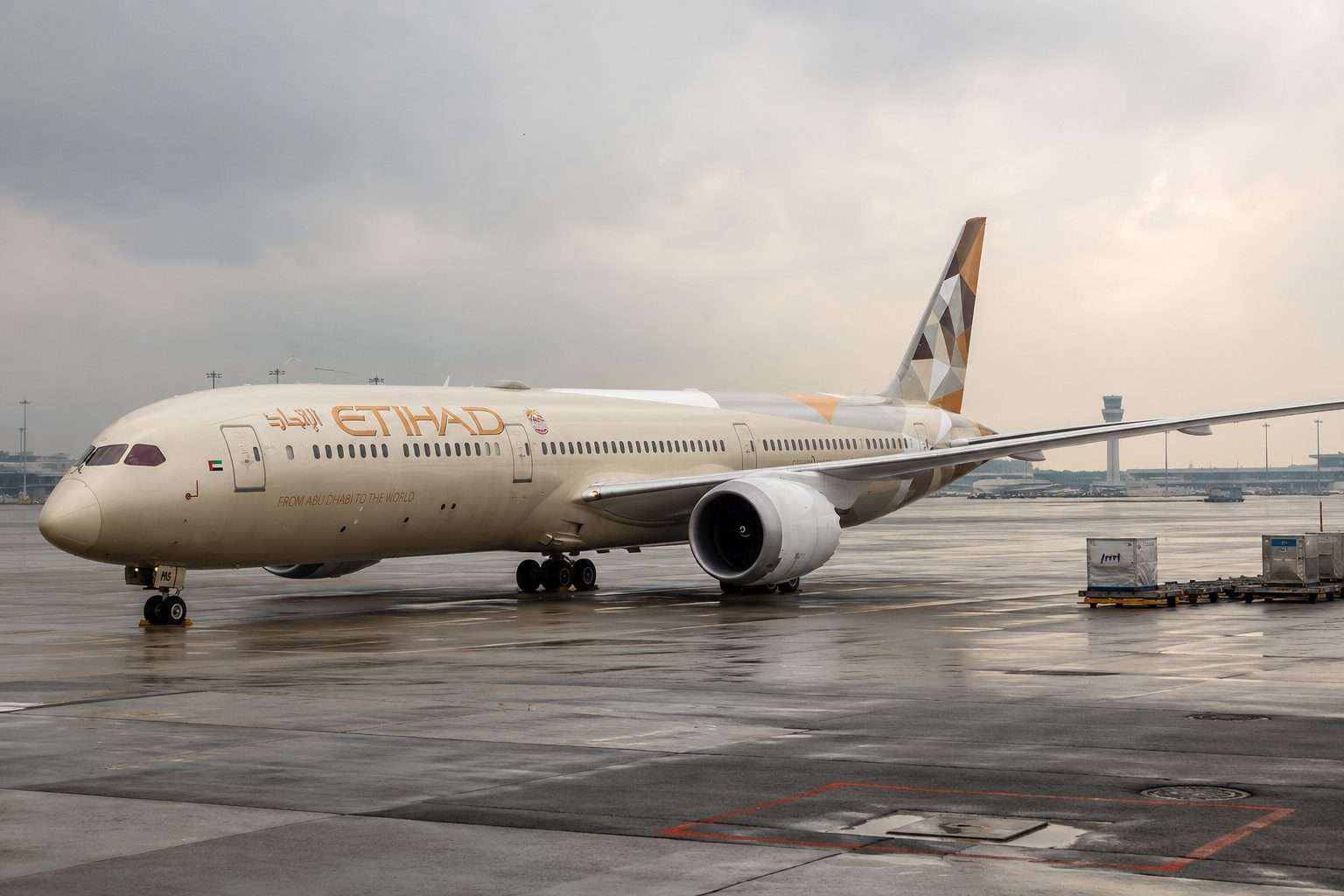
- Etihad is close to ordering 10 Boeing NYSE:BA 787 wide-bodies, with the deal possibly set for announcement at the Farnborough Airshow, according to industry sources.
- The key angle for investors is when deliveries will happen. Bloomberg said last week that Gulf carriers are pushing for earlier delivery slots from Boeing and Airbus SE EPA:AIR while Air India continues to look at its fleet plan.
- Boeing was at $223.24 late Thursday in New York, down $1.71.
Etihad Airways is nearing a deal for 10 more Boeing NYSE:BA 787 jets, according to people briefed on the matter. The order would boost the Abu Dhabi carrier’s long-haul fleet, as early slots for wide-body deliveries are tight. Wide-bodies are twin-aisle planes mostly used for international routes.
Reuters said the deal might be unveiled at the July 20-24 Farnborough Airshow, but sources said talks are still ongoing. Etihad and Boeing both declined to comment. The warning is getting more airtime these days — investors are watching not just how many jets sell, but which airlines can actually secure deliveries fast enough to cash in.
According to a Bloomberg report picked up by the Economic Times, airlines like Etihad and Saudia are talking to Boeing and Airbus about getting new jets as soon as 2029 or 2030. The story says Etihad is close to grabbing about six 787 Dreamliner slots currently held by Air India. Air India denied pushing back any aircraft orders or delivery slots, saying its fleet plan is still on schedule.
Etihad is pushing hard, and its numbers explain it. The airline moved 1.9 million passengers in February, up 20% on the year. Load factor stayed high at close to 89%. The operating fleet added 28 planes versus last year.
| Etihad operating metric | Feb. 2025 | Feb. 2026 | Change |
|---|---|---|---|
| Passengers | 1.6 mln | 1.9 mln | +20% |
| Passenger load factor | 89.5% | 89.4% | -0.1 percentage point |
| Operating fleet | 100 aircraft | 128 aircraft | +28 aircraft |
| Network destinations | 95 | 110 | +15 |
The February filing showed Etihad with 48 Boeing 787s in its fleet. A 10-plane order, if all new, would add about 21% more to that figure. That’s not game-changing, but it’s a big enough number to shift things on routes where premium seating or aircraft supply is tight.
| What is in play | Reported size/timing | Why investors care |
|---|---|---|
| Etihad looking at ordering 787s | 10 Boeing 787s | Could boost demand for Boeing wide-bodies; fits with Etihad’s long-haul plans |
| Potential Air India-related slots | Around six short-term 787 spots | Sooner delivery may matter more than the number of jets in the deal |
| Etihad 787s as of February | 48 Boeing 787s | Ten more jets is a roughly 20% increase to Etihad’s 787 fleet |
| Airbus two-decade wide-body outlook | 8,140 wide-body jets, 2026-2045 | Market size stays large, but Airbus cut its view by 1% |
Etihad is operating from a stronger position than during its previous restructuring. The airline posted a 50% increase in 2025 net profit, up to $698 million. Passenger numbers climbed 21% to 22.4 million, and its fleet hit 127 aircraft after adding 29 planes. CEO Antonoaldo Neves told Reuters the carrier is seeing “many, many days of 90%” load factors in 2025. Reuters
The 787 discussions come on top of Etihad’s broader links with Boeing. In May 2025, Etihad confirmed it ordered 28 Boeing 787s and 777X jets using GE Aerospace NYSE:GE engines. Deliveries are set to start in 2028. The White House valued the Boeing-GE-Etihad deal at $14.5 billion.
Airbus trimmed its 20-year global passenger jet delivery outlook by 1% to 42,060 jets this week as the Iran war and trade issues slowed the post-pandemic bounce. Still, Middle East airports were seeing traffic pick up, with traffic moving back toward more usual levels. Antonio Da Costa, who heads market analysis at Airbus, said the recovery from COVID “effectively flattened.” Reuters
Boeing could see more demand for its 787s if Etihad moves forward with a possible order. The program is already facing limits from both production and a heavy backlog. Boeing started work last year to expand its North Charleston plant, aiming to push 787 production to 10 jets a month in 2026 from around seven now, Reuters reported. At the time, the program had almost 1,000 planes in its backlog.
The worry is the clean order narrative could fall apart. The Etihad deal might still fall through before Farnborough. Air India is pushing back on talk of deferred slots. If there’s another Middle East fuel hit, airlines might have to pull capacity again. Boeing also faces execution risk—a 787 order logged now only pays off when the plane leaves Charleston and the buyer starts flying it for revenue.