
LONDON, May 1, 2026, 19:07 BST
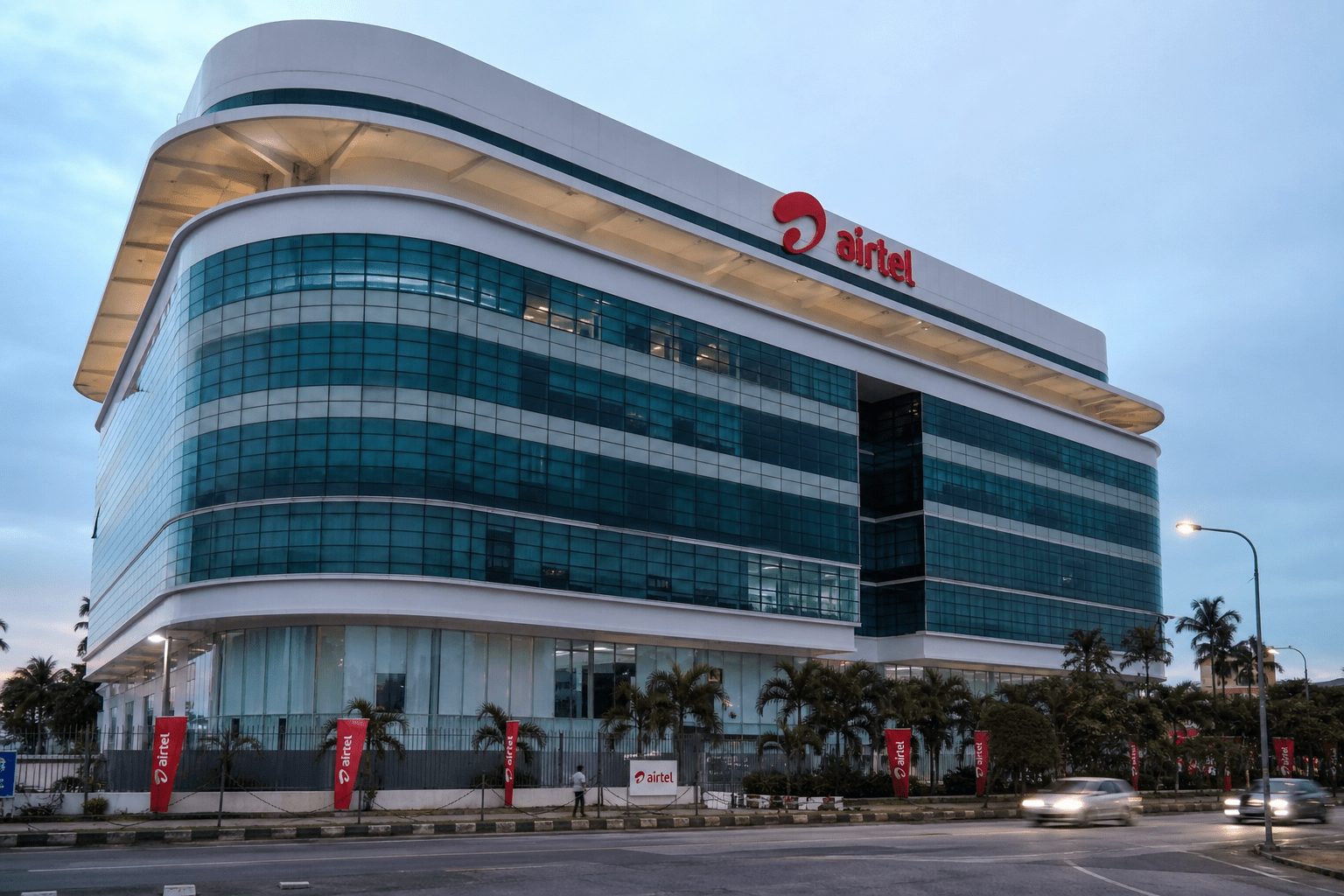
Airtel Africa Plc’s planned IPO of its Airtel Money unit could pull in anywhere from $1.5 billion to $2 billion, setting up London for one of the biggest Africa-related fintech debuts in recent memory. Bloomberg News says London is now the favored location for the listing. According to Reuters, the share sale might value the mobile payments arm at as much as $10 billion.
Timing matters here. Airtel Africa will release its full-year 2026 numbers on May 8, which means investors will get updated figures on customer additions, payments and cash flow—all before a deal even hits the market.
The IPO will gauge if public investors see Airtel Money as a high-growth payments player instead of just an extension of telecom. London could land a major technology and finance listing from an emerging market—rare, with big deals still under scrutiny.
Airtel Money’s got plenty to occupy the banks. Over the nine months ended Dec. 31, Airtel Africa said the business hit 52.0 million customers. In the third quarter, annualised total processed value crossed $210 billion—the platform’s payments and transfer volume. Mobile money revenue climbed 29.4% on a constant currency basis, cutting out FX swings.
Back in January, Chief Executive Sunil Taldar confirmed the company was sticking to its plan: “We remain on track for the listing of Airtel Money in the first half of 2026.” He flagged the 52 million customers mark, saying it showed financial inclusion was gaining ground in Airtel’s African markets.
Citigroup is on the advisory lineup for the IPO, according to Bloomberg News as reported by Reuters. Airtel could bring three to four additional banks into the fold, but nothing’s locked in yet on deal size, timing, or where the listing will take place, the reports added.
Friday saw Airtel Africa finish at 353.20 pence in London, slipping 0.39%. More than 12 million shares changed hands. The stock’s traded between 151.90p and 389.60p over the past year.
A $10 billion valuation would represent a significant jump from prior private transactions. Back in 2021, TPG’s Rise Fund committed $200 million to Airtel Africa’s mobile money unit, valuing that segment at $2.65 billion. At the time, Airtel signaled plans to consider a listing inside four years.
Peers are heading in a similar direction, just not in lockstep. Last year, MTN Uganda announced it would carve out its fintech business and target a domestic listing within three to five years. Investors have shown enthusiasm for Africa’s mobile data and payments sector, boosting the likes of Safaricom, MTN, and Vodacom.
Some investors say the market hasn’t yet caught up to the business’s real value. Harding Loevner’s Sergey Dubin told Reuters, “the underlying growth was there,” and he still sees “upside” from the Airtel Money listing. John Karidis at Deutsche Bank argues Airtel’s payments unit deserves a much richer valuation than the core telecom business. Reuters
Execution remains the big question mark. Final terms haven’t been hammered out yet, and any listing will have to contend with equity-market volatility, regulatory hurdles in different jurisdictions, and currency fluctuations throughout Airtel’s African markets. All these issues can drag on robust local-currency growth when the numbers are eventually reported in dollars.
That adds weight to next week’s results. What matters less now is Airtel’s intent to list the unit—it’s already confirmed that. Instead, focus shifts to whether the latest figures will justify a $10 billion valuation, or if the company ends up having to delay.