
MELBOURNE, May 16, 2026, 03:59 AEST
- ANZ is planning to pick up roughly A$248 million worth of shares on market as part of its interim dividend reinvestment plan.
- UBS Securities Australia is handling the execution of the purchase.
- For its 2026 interim, the bank is sticking with an 83 Australian cent per-share dividend, set for payment on July 1.
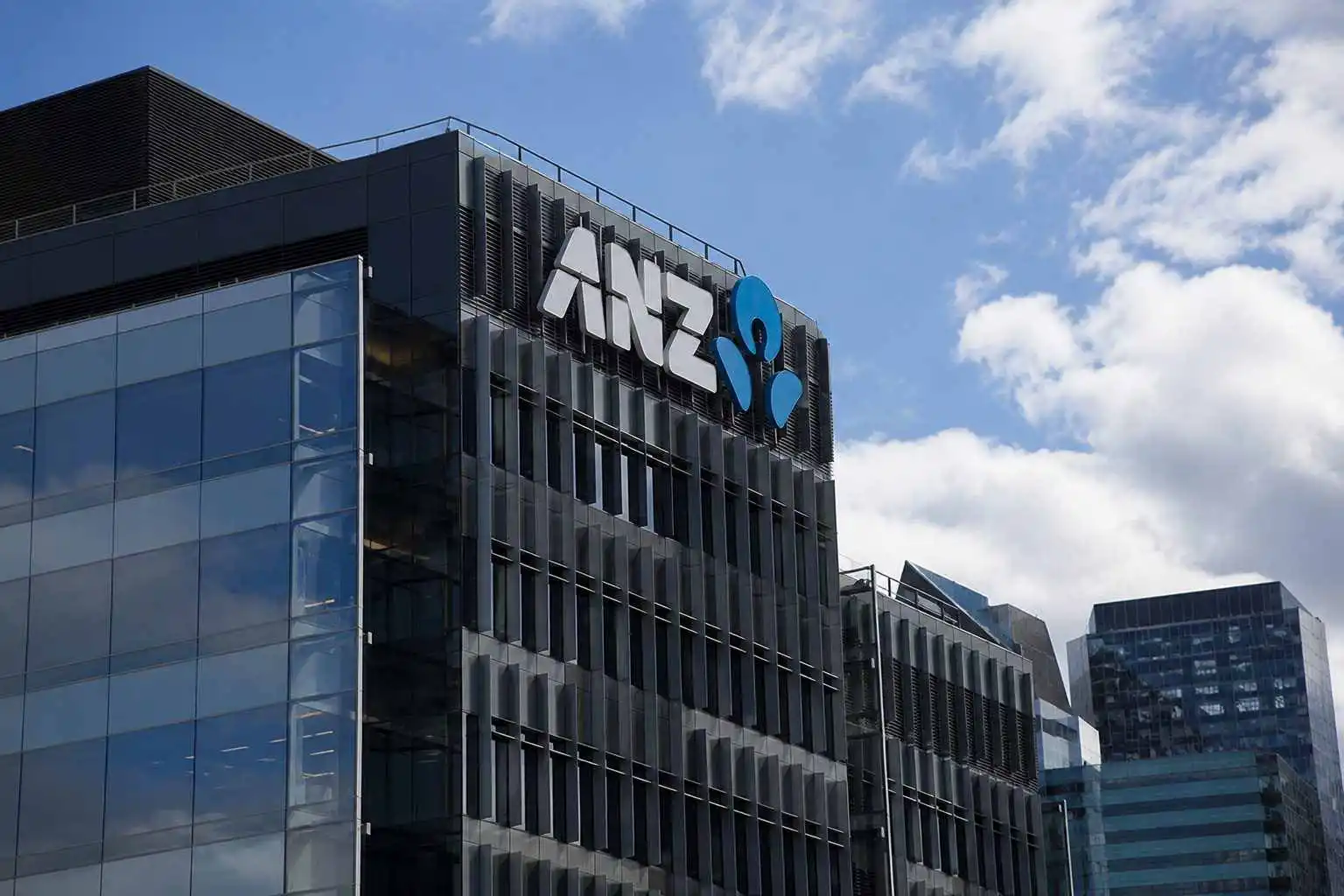
ANZ Group Holdings Limited said Friday it plans to purchase roughly A$248 million worth of shares on the market, aiming to satisfy requirements under its 2026 interim Dividend Reinvestment Plan, according to a filing from the Melbourne lender.
This is significant for ANZ, signaling it’s working to finance shareholder engagement in the dividend plan without flooding the market with fresh shares. When a bank is facing demands for stricter capital control, that detail stands out.
ANZ tapped UBS Securities Australia Limited for the on-market buyback. The bank said its pricing period for both the Dividend Reinvestment Plan (DRP) and Bonus Option Plan (BOP) would cover 12 trading sessions, stretching from May 15 through June 1. Purchases could be made anytime in that interval, according to ANZ.
Through a DRP, eligible shareholders can opt for additional ordinary shares rather than a cash payout. ANZ’s BOP, according to the bank’s own shareholder materials, gives qualifying investors the option to swap all or part of their dividend for bonus ordinary shares.
DRP take-up landed around 9.9% of ANZ’s ordinary shares, the latest filing showed, with BOP at roughly 2.4%. The document also locked in the interim dividend at A$0.83 per share, set for payment on July 1.
ANZ’s dividend carries 75% franking, so eligible investors get a partial tax credit reflecting company-paid Australian corporate tax. The bank listed May 11 as the ex-dividend date and May 12 as the record date on its shareholder timetable.
Should the on-market buyback fall through, ANZ said it will turn to issuing fresh shares to fulfill its DRP commitments. The BOP will get new ANZ shares too. For investors, dilution risk hinges on this point.
ANZ’s latest update comes after its half-year earnings on May 1, where the bank posted a statutory profit of A$3.65 billion and a cash profit figure of A$3.78 billion for the six months through March 31. The cash profit—ANZ’s preferred non-IFRS metric that omits certain one-offs—jumped 14% from the previous half if significant items are left out.
Back then, Chief Executive Nuno Matos declared ANZ’s “transformation is running at pace.” Not long after, Chief Financial Officer Farhan Faruqui addressed investors, confirming the dividend holds at 83 cents and adding, “the interim DRP will be neutralised.” ANZ
Australia’s big banks are jostling on dividends. National Australia Bank is offering an 85-cent, fully franked interim payout, scheduled for July 2. Westpac, on the other hand, will deliver a 77-cent, fully franked interim dividend set for June 26.
Interest rates are still the key variable for bank earnings. On Polymarket, traders gave “No Change” an 83% chance for the RBA’s June decision, with “Increase” at 18%. The August contract shifted: 56% odds for “No change,” 44% for a 25-basis-point hike. Higher rates could help lending margins, though they tend to weigh on credit growth and push up bad-debt risk. Polymarket
The Reserve Bank of Australia’s May statement pointed to market bets on the cash rate hitting 4.70% by late 2026, while headline inflation is tipped to reach 4.8% in the June quarter. That’s keeping the spotlight on mortgage demand and household stress at ANZ, Commonwealth Bank, Westpac, and NAB.
ANZ wrapped up May 15 at A$35.21, gaining 1.06%. Shares moved inside a range from A$34.97 to A$35.54, Investing.com data show.