
Melbourne, May 12, 2026, 08:06 AEST
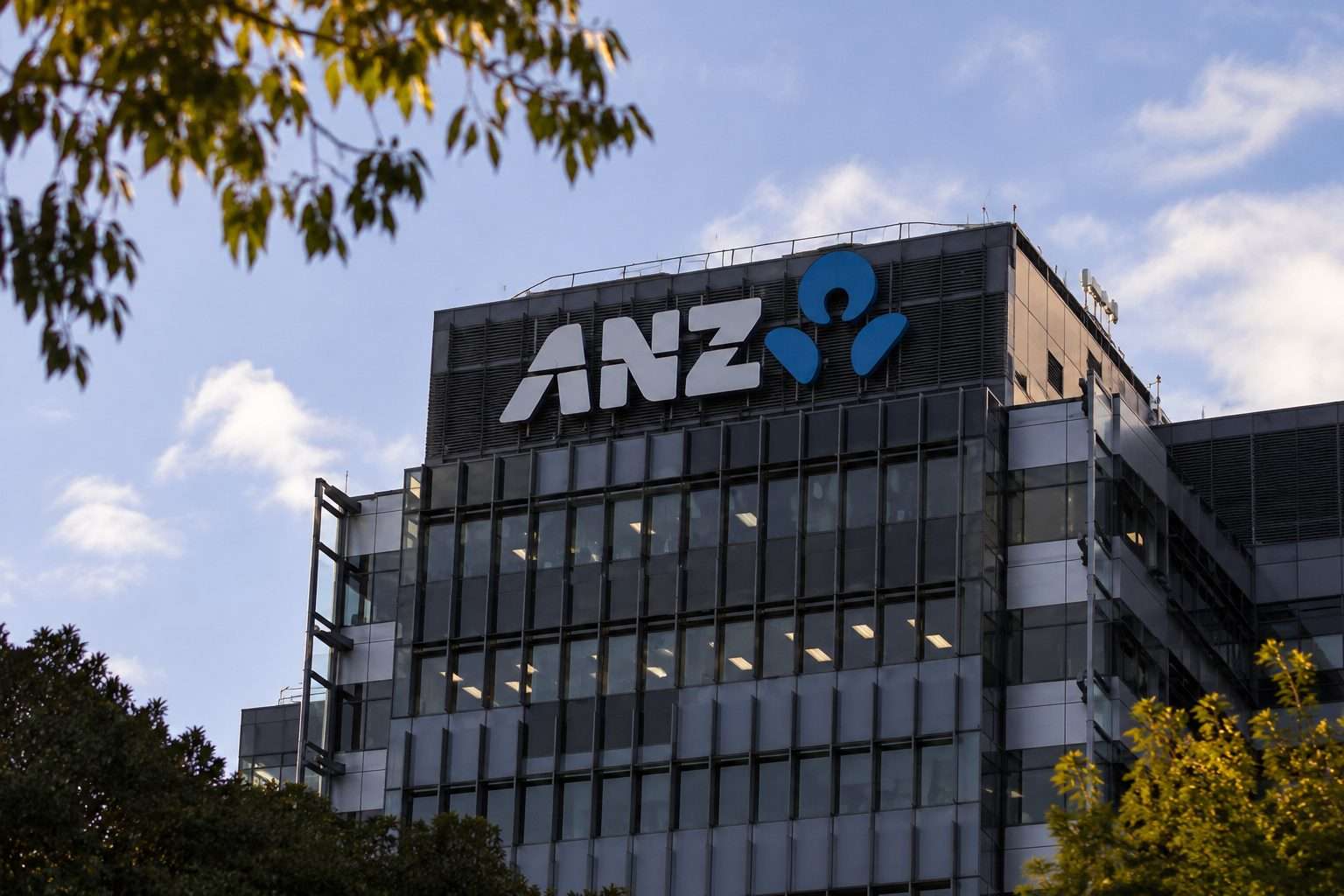
ANZ Group Holdings Limited has confirmed it’s among the backers of the Jinbi Solar Project, stepping in as the First Nations-led renewables venture reached financial close — a key milestone for construction in Western Australia’s Pilbara. The announcement came as ANZ shares slipped on Monday, trading ex-dividend for the interim payout.
Financial close locks in critical funding, contracts, approvals, and consents—final, with no strings attached. For ANZ, this deal lands the bank squarely in the spotlight on a major Indigenous-led infrastructure project. Australia’s big banks are facing pressure: rate swings, choppy markets, and a sluggish pace in household lending are all in play.
Under a 30-year power purchase agreement, Yindjibarndi Energy Corporation is set to deliver all electricity generated from Stage 1 of Jinbi to Rio Tinto. That initial stage will see the construction of a 75 MWac solar facility—a standard grid-output metric for solar plants—with potential to scale up to 150 MWac and include battery storage, pending approvals. The target for full commercial operation is mid-2028.
Calling financial close “a significant and exciting milestone,” ANZ Head of First Nations Strategy Shelley Cable said the Jinbi project “sets a strong benchmark” for First Nations involvement in major infrastructure. According to ANZ, this is one of the biggest First Nations-led renewable energy projects in Australia to reach financial close. ANZ
YEC CEO Craig Ricato called the milestone a green light for the company to “immediately progress” with construction. For Michael Woodley, who leads Yindjibarndi Nation, Jinbi represents “more than a renewable energy project.” Rio Tinto Iron Ore chief Matthew Holcz noted the project’s role in backing Rio’s operations and future economic opportunities on Country. Yindjibarndi Energy
Investors weren’t in a forgiving mood. Shares in ANZ closed down 2.4% at A$35.90 on Monday. Westpac gave up 0.9%, National Australia Bank eased by 0.4%, and Commonwealth Bank of Australia finished 1.1% lower. The S&P/ASX 200 slipped 0.49% to 8,701.8, dragged by losses in banking stocks and CSL, according to Morningstar’s AAP market report.
The stock traded ex-dividend—investors purchasing after May 11 won’t get the declared payout. ANZ outlined an interim dividend of 83 Australian cents, franked at 75%—that portion comes with Australian tax credits. The record date lands on May 12, with payment scheduled for July 1.
ANZ’s payout comes on the heels of its May 1 half-year numbers: statutory profit landed at A$3.65 billion, with cash profit—a non-IFRS metric cutting out non-core items—at A$3.78 billion. Stripping out significant items, ANZ put cash profit up 14% over the previous half. CEO Nuno Matos pointed to efforts to cut duplication and sharpen returns.
Still, solar financing won’t insulate ANZ from broader threats. A spike in oil prices and geopolitical tensions could push inflation and rates higher, making life tougher for borrowers. The bank reported a A$126 million charge to collective provisions, which covers potential credit losses—A$175 million of that tied to possible fallout from Middle East conflict.
ANZ shareholders face a compact lineup of bank events. The deadline for dividend reinvestment and foreign-currency elections lands on May 13. The next third-quarter trading update, along with the APS 330 capital report, is slated for August 13.