
CUPERTINO, California, April 15, 2026, 09:10 PDT.
Apple is experimenting with no fewer than four different frame designs for its debut smart glasses, according to reports surfacing since April 12 that reference Bloomberg’s Mark Gurman. The device could get its first public reveal as soon as late 2026, with a wider release eyed for 2027. Back in May, Reuters also pointed to Bloomberg’s reporting that Apple was targeting a late-2026 launch for the glasses.
Apple’s pivot follows the Vision Pro’s tepid debut, with recent reports suggesting the company is now eyeing a lighter, display-free design rather than repeating the hefty headset shape. The timing lines up with Meta, Google, and Snap all ratcheting up efforts in AI-powered glasses, making the smart eyewear market even more congested.
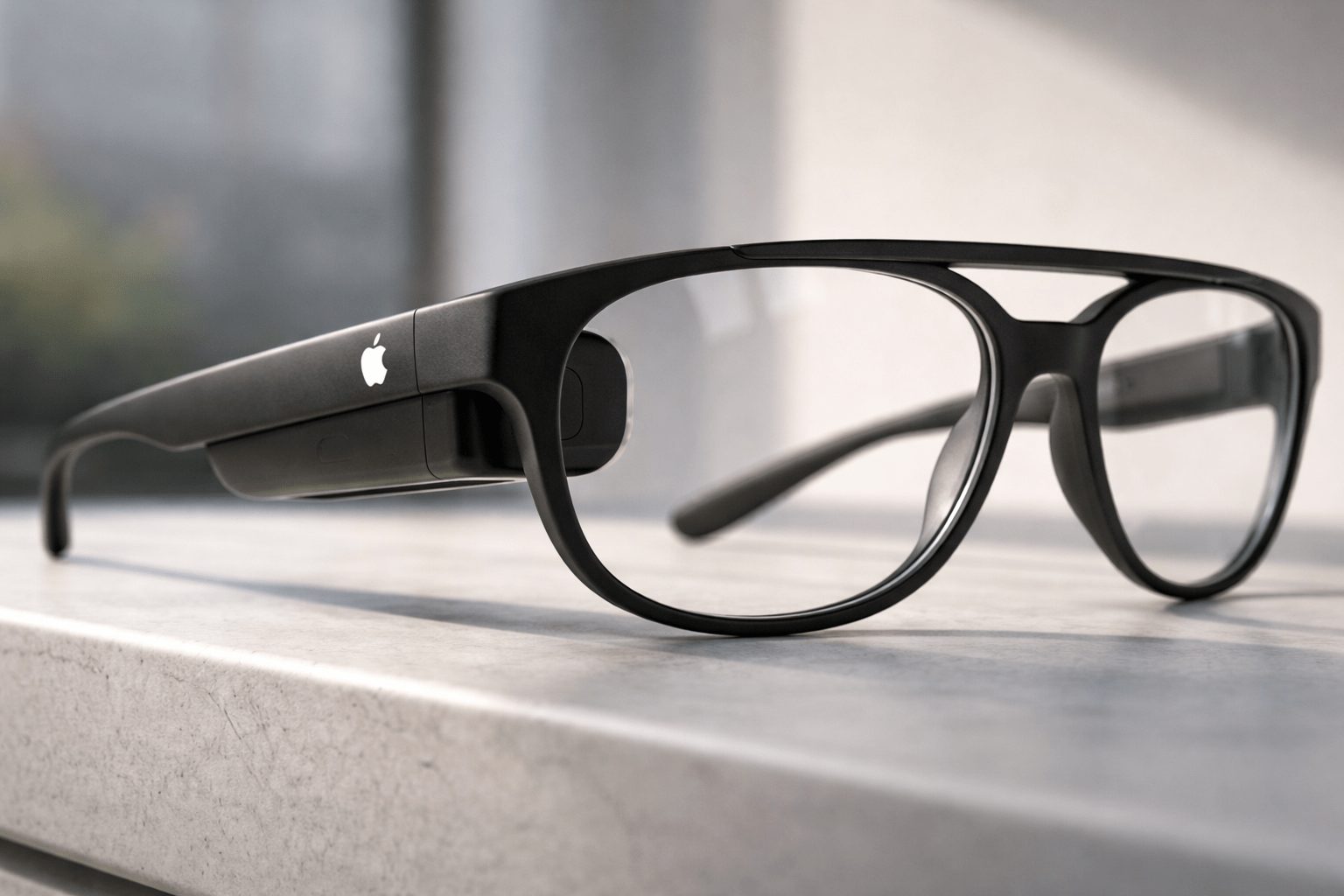
Designs in the mix feature a chunky rectangular frame, a thinner rectangular style—reminiscent of the glasses CEO Tim Cook favors—and two possible oval or round shapes, coming in both large and small sizes. Apple’s testing black, ocean blue, and light brown finishes, all using acetate for the frames. That’s the high-end eyewear plastic Macworld describes as tougher than typical plastic.
Apple’s glasses are said to feature vertically aligned oval cameras, each ringed with lights—an intentional design choice for quick identification. No display here, and no AR overlays either; instead, the glasses focus on snapping photos and videos, managing calls, music, notifications, and offering Siri-powered help.
According to Macworld, Apple is handling frame design internally, skipping an outside eyewear collaborator. That’s a departure from Meta, which teams up with EssilorLuxottica for its Ray-Ban smart glasses.
If Apple moves in, it’ll be taking on Meta, which dominates the space right now. Back on March 31, Reuters noted Meta rolled out a pair of $499 Ray-Ban prescription smart glasses. IDC’s Ramon Llamas put Meta’s global smart-glasses share last year at 76.1%. Google’s teaming up with Warby Parker, eyeing AI glasses for 2026. Meanwhile, on April 10, Snap’s Specs unit said it’s building consumer devices with Qualcomm chips, set for release later this year.
There’s a clear commercial case here. Back in January, Meta CEO Mark Zuckerberg pointed out that “billions of people wear glasses or contacts for vision correction.” IDC’s Francisco Jeronimo, also speaking to Reuters that month, argued, “Success will depend less on breakthrough hardware innovation, but more on ecosystem integration and software value.” That’s in line with Apple’s rumored playbook, which recent reports say puts Siri, calling, music, and iPhone-connected features front and center—no need for an all-out visual interface. Reuters
Still, Apple faces hurdles it can’t solve with design alone. Techsponential analyst Avi Greengart, speaking to Reuters during last year’s holiday season, said the mass market isn’t ready yet—price, comfort, and privacy remain big obstacles. Then, on April 13, a coalition of 75 organizations led by the ACLU called facial recognition in smart glasses “a red line society must not cross.” Reuters
Back in May, Reuters revealed that Apple was working on custom low-power chips for smart glasses, using technology similar to Apple Watch silicon, with a focus on handling multiple cameras and maximizing efficiency. Now, fresh design details suggest Apple is continuing to tweak both the appearance and capabilities as it holds off on any official announcement.