
Sydney, June 16, 2026, 09:02 (AEST)
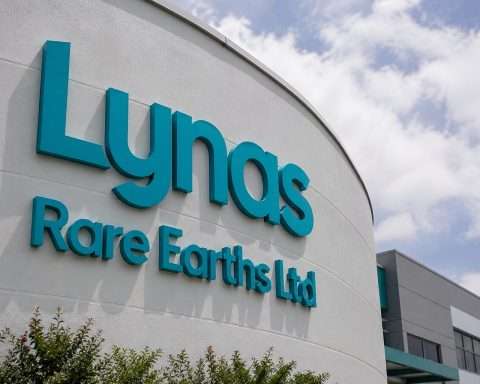
- Lynas Rare Earths finished the session at A$17.88, a gain of 0.62% from its last close of A$17.77. The S&P/ASX 200 index settled up 1.25% at 8,914 for the day on June 15. Intelligent Investor
- Markets have shifted focus to policy, not new operations headlines. According to Reuters, G7 officials are looking at price supports, purchase guarantees and subsidies on critical minerals as they try to cut reliance on China. Reuters
- Lynas faces another important test with its June-quarter results coming up. Interim CEO Pol Le Roux is set to take over July 1. Reuters
Lynas Rare Earths Limited (ASX: LYC) closed at A$17.88, up A$0.11 or 0.62% from A$17.77. The S&P/ASX 200 had already climbed 1.25% to 8,914 on June 15, ahead of Lynas. Stocks usually trade up when investors look for earnings or higher multiples, but fall on weaker sentiment or lower prices for commodities. Lynas shares tend to move with rare-earth demand, changes to Western supply chains, and how much neodymium-praseodymium (NdPr) is needed in EVs, turbines, defence, and electronics. Intelligent Investor
Lynas is getting a lift from the same demand that’s sent rare-earth stocks up over the past year. Buyers want supply chains that aren’t tied to China. Reuters reported June 15 that not every G7 country is backing the Trump team’s critical-minerals pricing plan. The US is still looking at possible price supports, subsidies, or setting minimum purchase agreements, but the sector isn’t united. Reuters pointed out that Lynas has a US government deal for fixed-price rare-earth sales. MP Materials got full US financial support, but not a set price. The floor price protects buyers and limits what Lynas could lose if rare-earth prices tank. Volatility is an issue for Lynas when China moves supply. Reuters
Lynas reported gross sales revenue of A$265.0 million for the March quarter, up 115% from last year and the best since Q4 FY22. Rare earth oxide output reached 3,233 tonnes, with 1,996 tonnes as NdPr. The average rare earth selling price was A$84.60 per kilogram. According to Lynas, the average price for NdPr rose 25% from the previous quarter. Investors noted the quarter’s higher volumes, firmer prices, and new supply deals as drivers for revenue and cash flow.
Lynas shares have jumped over 90% so far this year, sparking a debate about whether the stock is too expensive and if the rally can keep going. The stock has traded between A$8.06 and A$22.37 during the last 52 weeks. Google Finance puts Lynas’s P/E ratio above 200, calculated on annual EPS and reliant on strong profit growth. Risks are still there—lower production, increased costs, or a dip in rare-earth prices could all hit the numbers. Back in April, Lynas told investors it would hike prices on some materials, but said it’s not sure what will happen next with prices or how long the gains will last. Trading Economics
Lynas has named Pol Le Roux interim CEO starting June 30, replacing Amanda Lacaze after 12 years. Le Roux is currently COO. Chair John Humphrey told Reuters Le Roux brings “over 20 years of experience in the rare earths industry.” Humphrey said that’s a sign of stability but with “interim” in the title, investors seem uncertain. The street is waiting on Lynas’s June-quarter report. Traders expect detail on NdPr prices, volumes, costs, and growth project progress. Right now, Lynas trades like a higher-risk rare earths bet. Bulls want Western demand to hold. Bears argue positives are already in the price. Reuters