
SYDNEY, March 30, 2026, 04:11 AEDT
Australian stocks kick off a truncated week with crude surging past $112 a barrel, while Wall Street faces another bout of turbulence. That puts the local market in a spot, trying to gauge if energy’s momentum is enough to counter mounting pressure on banks, retailers, and miners. The S&P/ASX 200 slipped 0.11% to finish at 8,516.30 on Friday, but still managed a 1.0% advance for the week, according to ASX data.
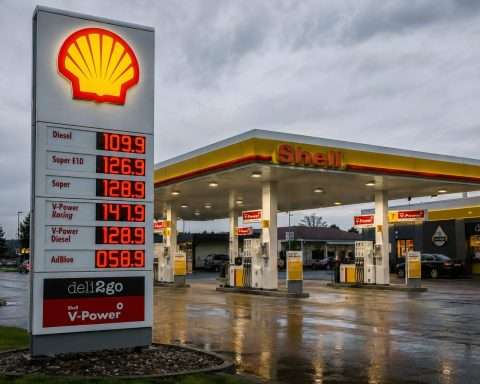
The ASX feels the impact in both directions. Oil and gas stocks might get a bump from higher crude, but pricier fuel, climbing bond yields, and a fresh dose of inflation anxiety spell trouble for firms reliant on low-cost loans or heavy transport and energy spending.
Traders watching local rates haven’t lost interest. The Reserve Bank of Australia is set to publish minutes from its March meeting this Tuesday. Just two weeks ago, the board raised its key overnight cash rate to 4.10%—a close 5-4 split. That decision followed a February inflation print showing prices up 3.7% year-on-year, though Russel Chesler at VanEck noted those figures were already stale, with “uncertainty and volatility” moving back into the spotlight. Reserve Bank of Australia
Assistant Governor Christopher Kent made the message even clearer last week, cautioning that an extended Middle East conflict would amplify risks to both growth and inflation expectations. Central banks, he said, “cannot change” a supply shock—what they can do is make sure it doesn’t work its way into wages and prices. Reuters
BHP, Rio Tinto, and Fortescue are watching Tuesday’s China PMI as closely as the RBA minutes. China’s official manufacturing PMI printed 49.0 in February—anything under 50 signals contraction, not expansion, in the monthly survey of purchasing managers. Beijing’s 2026 calendar has the March PMI slated for release Tuesday.
Another round of local data hits Thursday. February building approvals, goods trade, and job vacancies all land at 11:30 a.m. local time, according to the Australian Bureau of Statistics calendar. Investors get an updated view on housing, trade, and labour market pressures ahead of the shortened week.
Resources stocks don’t offer a guaranteed ride up. Fortescue’s metals and operations boss Dino Otranto told Reuters, “A 10-cent change in the price of diesel impacts us by $70 million.” For the four largest miners, similar moves translate to about $500 million in extra costs. So, even as stronger commodity sentiment helps the top line, stubbornly higher operating costs remain a drag. Reuters
Friday saw sentiment sour globally. Brent climbed 4.22% to finish at $112.57 a barrel. The Dow shed 1.73%, while the S&P 500 slipped 1.67%. With that drop, the Dow also entered correction territory—off more than 10% from its recent high—joining the Nasdaq. “Words alone aren’t cutting it right now,” said Matt Britzman of Hargreaves Lansdown, as investors waited for concrete signs of easing tensions with Iran. Reuters
Sydney faces a timing snag here. The ASX shuts down for Good Friday on April 3 and stays closed through Easter Monday, April 6, while the U.S. March payrolls print lands Friday at 8:30 a.m. Eastern. Reuters polling calls for 55,000 jobs and a 4.4% unemployment rate. Any surprises—payrolls, Treasuries, oil—won’t show up in Australian cash equities until trading resumes Tuesday, April 7.
The downside isn’t the only angle here. Jim Baird at Plante Moran points out that markets seem “headline-driven” these days—meaning a genuine breakthrough with Iran could send crude lower and spark some relief in beaten-down equities. On the flip side, disappointing China PMI numbers or a hawkish tilt in the RBA minutes might quickly darken the mood. For now, the ASX appears poised to react to every event as it comes, with energy names acting as a partial hedge and most sectors still wrestling with the same persistent headwind: rates that just won’t budge. Reuters