
London, May 9, 2026, 17:04 BST
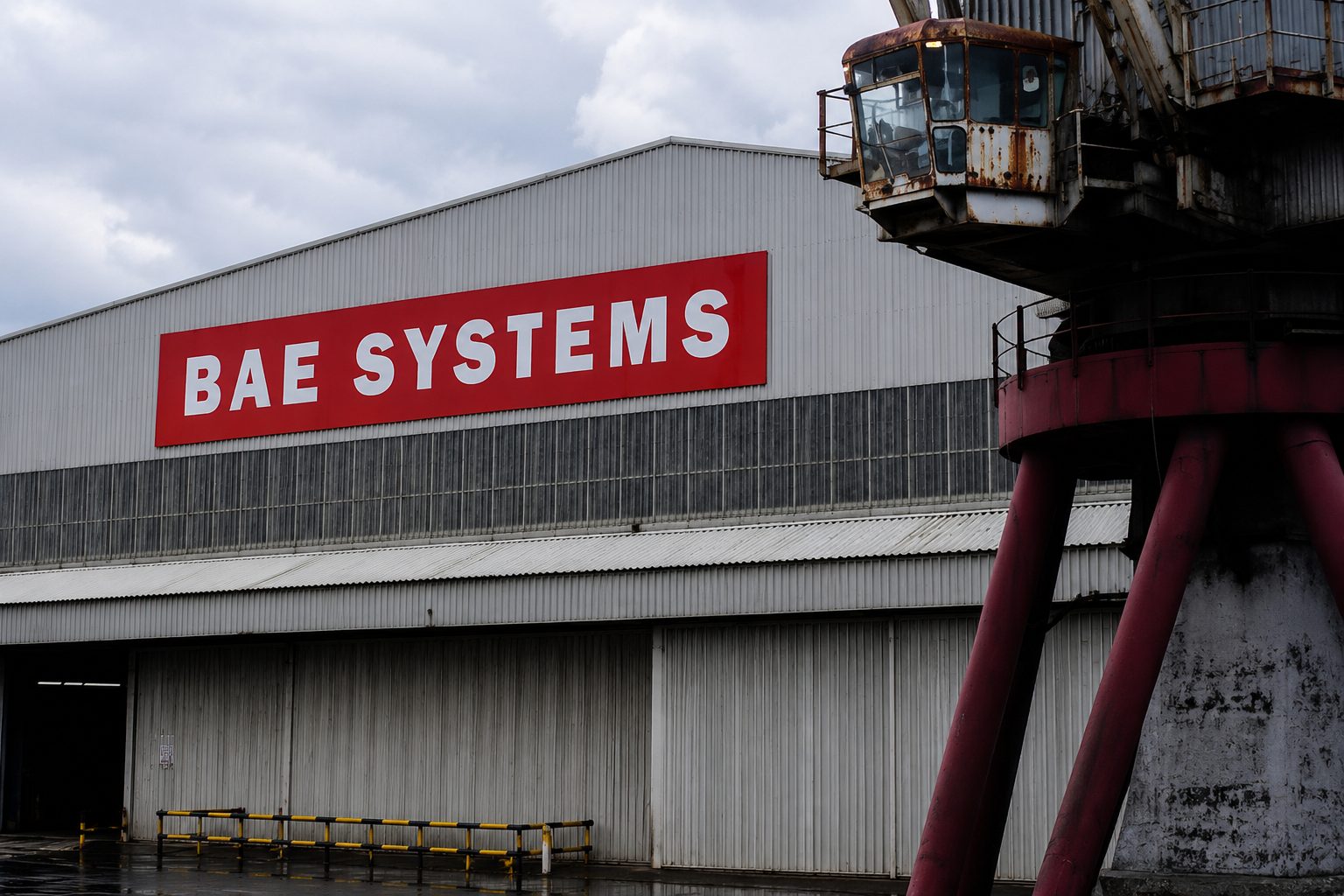
BAE Systems stock dropped again Friday, slipping 2.91% to finish at 1,933.80 pence. Investors continued to pull back from the high-flying European defense name after its recent run-up. Shares were already down 4.68% in Thursday’s session.
This shift is significant—plain guidance doesn’t always cut it for every holder now. Investors Chronicle noted that shares dropped even after a positive trading update, blaming “lofty valuations” for European defence stocks. BAE, for example, sits at 24 times forecast earnings. Investors Chronicle
The timing isn’t ideal. BAE continues to ride a wave of elevated military budgets, war-fueled demand, and a swelling backlog, but investors are starting to look harder at whether defence firms can translate government promises into real deals, production, and cash flow. Reuters on Thursday said BAE was still aiming for 9% to 11% earnings growth this year, with the Iran war still underpinning strong order momentum.
BAE, ahead of its annual meeting, projected sales growth of 7% to 9% for 2026. Underlying EBIT and underlying EPS are both expected to increase 9% to 11%. Chief Executive Charles Woodburn described the start of 2026 as “strong,” saying BAE remains “well positioned” to capture defence opportunities now and looking forward. GlobeNewswire
Recent awards highlight where the orders are headed. BAE logged a contract worth around £2.5 billion connected to Türkiye’s Eurofighter Typhoon purchase. There’s also about £1.1 billion in MBDA air-defence deals across Europe, plus space project funding and U.S. orders. Bofors, meanwhile, picked up work on Swedish artillery and anti-aircraft systems.
BAE kicked off the year sitting on a record £83.6 billion order backlog, buoyed by a 10% jump in 2025 sales to £30.7 billion. Order intake for the period climbed to £36.8 billion. Even with shares recently dipping, those numbers keep BAE firmly in the spotlight for investors looking for exposure to rearmament.
The picture isn’t straightforward. Reuters Breakingviews pointed out that Europe’s aerospace and defence index has slipped 13% since mid-January. Shares in Germany’s Rheinmetall and Sweden’s Saab took a hit too, despite first-quarter sales growth at Rheinmetall, France’s Thales, and Italy’s Leonardo.
Still, the margin for error has narrowed. “Guidance for double-digit operating profit growth this year remains on track,” Hargreaves Lansdown equity analyst Aarin Chiekrie said, but flagged risks around cost assumptions. Supply-chain snags and production holdups—those are the big hazards for profitability, he added. Hargreaves Lansdown
BAE hasn’t stepped back from rewarding shareholders, either. As of May 6, the company had bought back £166 million in shares this year, bringing its tally on the three-year £1.5 billion buyback plan to £930 million. The 2025 final dividend—22.8 pence per share—still needs approval, but if it goes ahead, payment lands on June 4.
The next official update arrives July 30, with BAE set to release its first-half numbers. Until that lands, the message from the market is pretty clear: defense appetite is still robust, but investors are holding out for evidence—orders, margins, cash flow—that justifies the current valuation.