London, Feb 24, 2026, 07:55 GMT — Premarket.
- Barclays announced it’s launching another round of share buybacks as part of its ongoing programme.
- The stock finished the session at 463 pence, down 2.3%.
- Later Tuesday, attention turns to signals from the Bank of England, along with new headlines on U.S. tariffs.
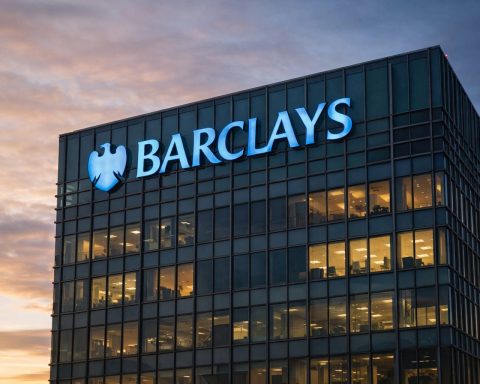
Barclays (BARC.L) on Tuesday disclosed it snapped up 4.2 million shares for cancellation, pushing forward with its buyback program just before London markets opened. Shares closed Monday at 463 pence, down 2.3%.
The buyback announcement is standard fare, yet it’s hitting a market once more on edge over growth worries. Bank shares have lurched on each move in trade talk or interest rate bets; investors aren’t sticking around for more answers.
European financial services stocks dropped 2.1% Monday, pressured by fresh doubts over U.S. tariffs that weighed on market sentiment. Rabobank’s Benjamin Picton described the situation as “a source of uncertainty for markets.” Reuters
Barclays bought back shares on Feb. 23, paying between 461.40 pence and 480.85 pence apiece. The volume-weighted average landed at 474.7829 pence—that reflects the average, factoring in quantities at each price. All told, the day’s repurchase came to around 19.9 million pounds.
The stock dropped 2.28% on Monday, putting it roughly 8.6% under its 52-week peak, according to MarketWatch data.
UK stocks barely budged, with traders reacting to fresh uncertainty over U.S. trade moves—President Donald Trump announced plans for a 15% tariff on worldwide imports, according to Reuters. The FTSE 100 closed almost unchanged. The FTSE 250 slipped 0.9%.
John Wyn Evans, who leads market analysis at Rathbones, called the tariff shift’s “full implications” still murky, adding it was “far from being the end of the tariff story.” According to the same Reuters piece, money markets now see about a 75% chance the Bank of England will trim rates by a quarter point in March—a setup that tends to pressure bank shares, since lower rates eat into lending margins. Reuters
Bank of England’s Alan Taylor echoed concerns about tariffs, stating “tariffs are here to stay” and likely to remain much higher than in previous years. Taylor, who’s typically seen as favoring rate cuts, adds another voice to a policy debate traders are closely tracking. Reuters
Barclays isn’t the only bank eyeing buybacks. Standard Chartered rolled out a $1.5 billion share repurchase on Tuesday, according to the Financial Times, signaling renewed attention to capital returns in some corners of the industry.
Still, buybacks aren’t a magic shield against macro shocks. Should tariff worries turn into slower growth forecasts—or if traders start rushing to price in more rate cuts—bank stocks can get squeezed regardless of ongoing repurchasing.
Bank of England Governor Andrew Bailey heads to Parliament’s Treasury Committee at 2:15 p.m. London time on Tuesday, joined by fellow Monetary Policy Committee members. Traders are eyeing any changes in rhetoric around tariffs, inflation, or rate trajectories—moves here could sway UK banks in the following session.