
SAN FRANCISCO, April 9, 2026, 13:07 PDT
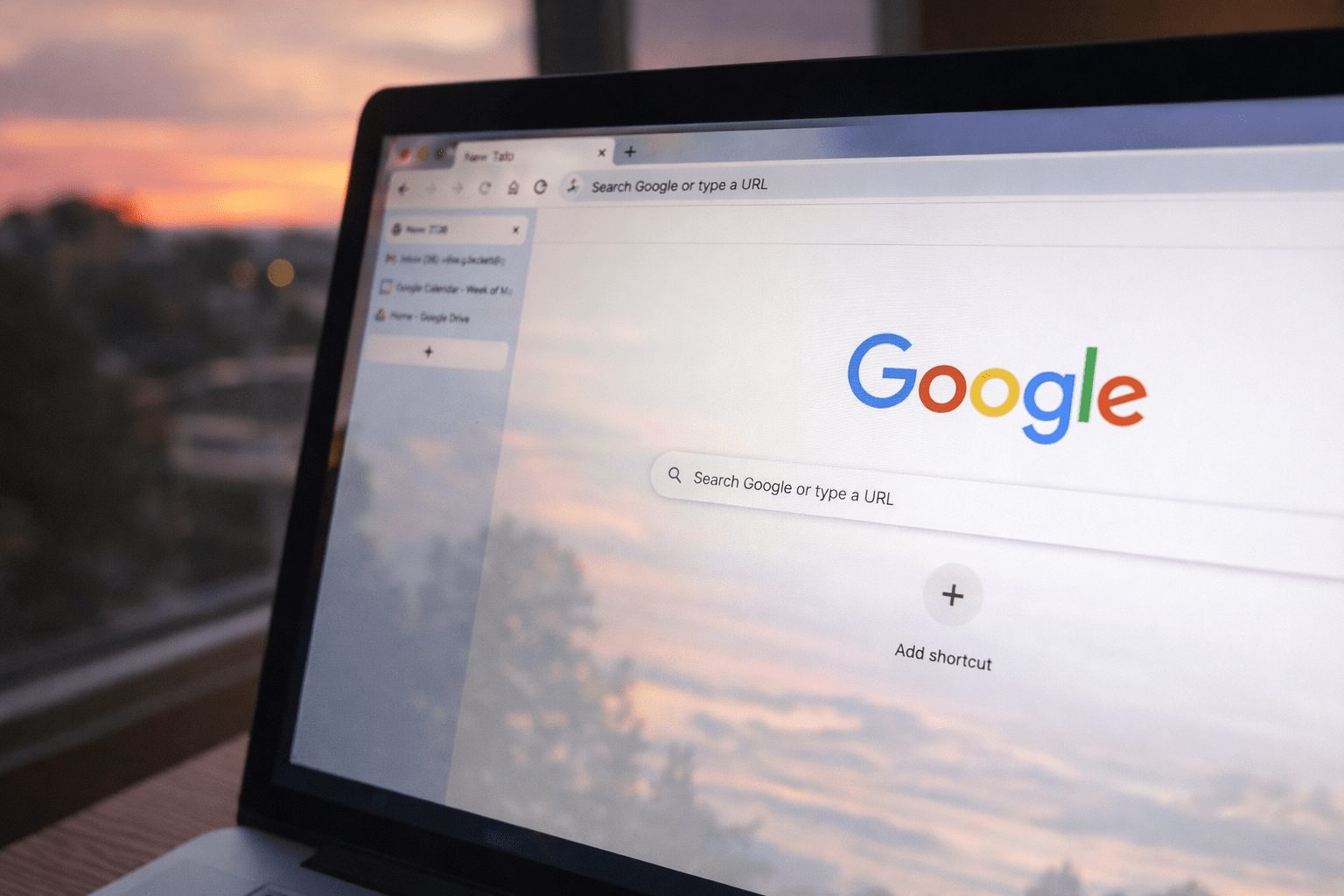
Google on Tuesday started bringing native vertical tabs to desktop Chrome’s stable build—the regular public release—along with a new full-page reading mode. The Chrome team’s announcement coincided with Chrome 147 moving up to stable for Windows, Mac, and Linux. That rollout will stretch out over the next several days and weeks.
Why does this tweak matter? Chrome’s dominance isn’t subtle. In March, the browser claimed 69.37% of global desktop market share, according to StatCounter—miles ahead of Microsoft Edge, which managed 12.75%. So, when Chrome moves, even small shifts ripple across a massive user base.
The move closes the distance with competitors. Microsoft touts vertical tabs in Edge for both Windows and Mac, and Mozilla points out Firefox brought in vertical tabs via its sidebar with version 136—so Google’s only now catching up to a feature power users elsewhere have had for a while.
Alex Tsu and Jess Carpenter, Chrome’s product managers, said in a blog post that Google is starting to introduce a pair of new tools aimed at making Chrome more efficient and productive. One of the updates: users will be able to shift the tab strip to the left edge by right-clicking in a Chrome window and enabling the vertical option, according to Google.
Google’s reading mode just got a makeover. The company shifted it from a slim side panel to a full-page, text-centric display on desktop, cutting out the usual distractions. That’s per Google’s support documentation and reports covering the launch.
This latest change marks a clear upgrade from earlier experimental releases. Previously, as TechCrunch pointed out, users could access vertical tabs by enabling a hidden flag in recent Chrome builds. Chrome Unboxed noted that with the stable release, there’s no longer any need for users to hunt through obscure settings or lean on third-party extensions.
Sundar Pichai, the CEO, took to X to spotlight the new feature: “Try vertical tabs, rolling out now,” he posted. That message underscored support from Google’s leadership for the browser update, which the company had unveiled just hours before. X (formerly Twitter)
But the rollout isn’t happening all at once, and Google still hasn’t specified exactly when the feature will reach every desktop user. Chrome’s approach here doesn’t quite match the comprehensive sidebars offered by browsers like Arc—The Verge pointed out those pack in extras like bookmarks and even the address bar. That gives competitors an opening to claim their designs push things further.